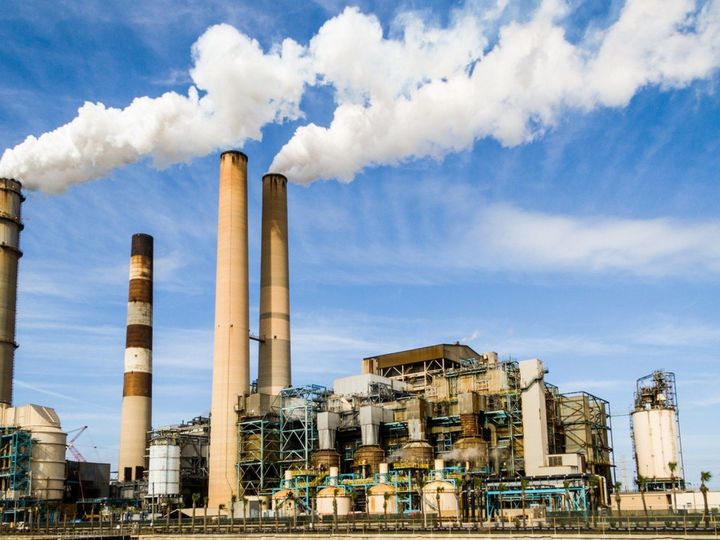
Industrial Chemical Process: Overview of Modern Manufacturing Technologies
Industrial chemical processes are organized methods used to transform raw materials into chemicals and chemical-based materials on a large scale. These processes can involve chemical reactions, heating, cooling, mixing, separation, purification, drying, crystallization, and controlled material handling.
Chemical processing is used across many industries, including pharmaceuticals, agriculture, plastics, paints, coatings, textiles, food processing, energy, electronics, construction materials, and water treatment.
A typical process begins with selected raw materials. These materials pass through several controlled stages before becoming an intermediate or finished chemical product. Engineers select equipment and operating conditions according to the characteristics of the materials and the intended process.
Common stages include:
- Raw-material preparation and handling
- Mixing and chemical reaction
- Heating or cooling
- Distillation and separation
- Filtration and purification
- Drying or crystallization
- Quality testing
- Storage and controlled transfer
- Waste and emission management
Modern chemical manufacturing is not limited to the reaction itself. Process control, industrial automation, energy management, equipment reliability, and environmental protection are also important parts of the overall production system.
How a Chemical Process Works
A simplified industrial chemical process can be understood as a sequence:
Raw materials → Processing → Reaction → Separation → Purification → Quality control → Final material
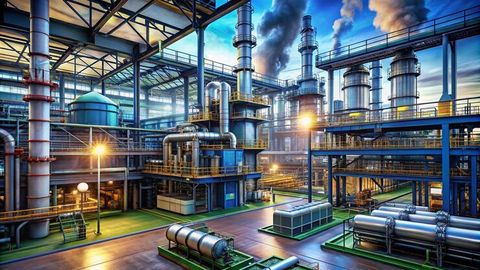
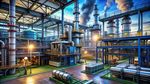
Different chemical processes require different combinations of equipment. Reactors may be used for chemical reactions, while heat exchangers control temperature. Distillation columns separate components according to differences in volatility, and filtration systems remove unwanted solids.
The exact process depends on the chemistry involved. Temperature, pressure, concentration, residence time, catalyst selection, and mixing conditions can all influence the result.
Importance
Why Chemical Manufacturing Matters Today
Industrial chemical processes support a large portion of modern manufacturing. Chemicals are used directly or indirectly in products such as medicines, fertilizers, polymers, electronic materials, coatings, cleaning formulations, and industrial components.
The chemical and petrochemical sector also has strong connections with other manufacturing industries. India's Economic Survey 2025–26 reported that the chemicals and petrochemicals sector contributed 8.1% of manufacturing gross value added in FY2024. It also reported that production of major chemicals and petrochemicals increased from 45,638 thousand metric tonnes in FY2016 to 58,617 thousand metric tonnes in FY2025.
Problems Modern Processes Address
Modern process engineering focuses on maintaining consistent production while managing safety, energy use, material efficiency, and environmental impacts.
Important objectives include:
- Maintaining consistent chemical quality
- Controlling reaction conditions
- Reducing material losses
- Improving energy efficiency
- Managing hazardous substances safely
- Monitoring emissions and waste
- Reducing process interruptions
- Supporting accurate quality control
- Improving equipment reliability
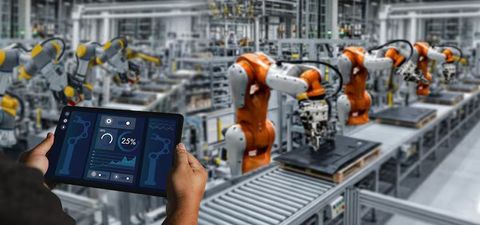
Automation has also changed the way industrial plants are monitored. Sensors and control systems can continuously measure variables such as temperature, pressure, flow, level, pH, and composition.
Key Technologies in Modern Manufacturing
| Technology | Main Purpose |
|---|---|
| Chemical reactors | Controlled chemical reactions |
| Heat exchangers | Heating and cooling |
| Distillation systems | Component separation |
| Filtration systems | Solid-liquid or gas-solid separation |
| Dryers | Moisture removal |
| Crystallizers | Controlled crystal formation |
| Industrial sensors | Process measurement |
| PLC and control systems | Automated process control |
| Data systems | Monitoring and process analysis |
| Safety systems | Hazard detection and protection |
These technologies work together rather than functioning as isolated machines. A well-designed process connects material flow, energy management, measurement, control, and safety into one operating system.
Recent Updates
Growth of Chemical Manufacturing in India
Recent developments indicate continued attention toward domestic chemical manufacturing, infrastructure, technology adoption, and specialized production.
In February 2026, information associated with India's Economic Survey 2025–26 highlighted the continuing importance of chemicals and petrochemicals to manufacturing and downstream industries.
Another major development occurred in July and August 2026. The Indian government approved the Bharat Audyogik Vikas Yojana Rasayan (BHAVYA Rasayan) scheme on July 24, 2026, followed by a Gazette notification on August 10, 2026. The scheme is intended to support three dedicated Chemical Parks through a challenge-based selection process.
The Department of Chemicals and Petrochemicals states that the scheme is intended to address infrastructure gaps and strengthen India's chemical and petrochemical sector.
Greater Interest in Process Efficiency
Chemical manufacturers are also increasingly examining:
- Process automation
- Digital monitoring
- Advanced process control
- Energy-efficient equipment
- Waste reduction
- Renewable or alternative feedstocks
- Bio-based chemical production
- Green hydrogen and green ammonia
- Industrial safety monitoring
Recent industry developments include increased attention to green ammonia, bio-based chemicals, and integrated petrochemical infrastructure.
Quality-Control Developments
Quality requirements for chemicals can also change through government notifications. India's Department of Chemicals and Petrochemicals published several Quality Control Order updates during 2025 and 2026, including amendments, extensions, withdrawals, and temporary suspensions affecting particular chemical products.
This makes regulatory monitoring an important part of modern chemical process planning.
Laws or Policies
Chemical Manufacturing Rules in India
Chemical manufacturing in India is affected by environmental, industrial safety, hazardous-material, quality, and waste-management requirements. The applicable rules depend on the chemical, process, plant characteristics, location, and activity involved.
One important framework is the Manufacture, Storage and Import of Hazardous Chemical Rules, 1989 (MSIHC Rules). These rules were issued under the Environment (Protection) Act, 1986 and establish requirements related to specified hazardous chemicals and industrial activities.
The Chemical Accidents (Emergency Planning, Preparedness and Response) Rules, 1996 are another important framework for chemical safety and emergency preparedness. Government material describes these rules alongside the MSIHC Rules as part of India's chemical-accident management framework.
Quality Standards
The Department of Chemicals and Petrochemicals states that some BIS standards for chemicals are being made mandatory through Quality Control Orders. The department's current information identifies 33 chemicals for which QCOs have been notified.
Manufacturers therefore need to check the applicable standard and current notification for the particular chemical and application.
Environmental Considerations
Environmental requirements can address emissions, wastewater, hazardous materials, waste handling, and accident prevention. Requirements can differ according to the process and location.
Because regulations can change, technical teams should verify current requirements with the relevant central and state authorities before making compliance decisions.
Tools and Resources
Process Design and Engineering Tools
Several categories of tools can support chemical process development and analysis:
- Process-flow diagram templates
- Material-balance calculators
- Energy-balance worksheets
- Reaction-kinetics calculators
- Heat-transfer calculators
- Pressure-drop calculators
- Pump and piping calculation tools
- Equipment-sizing worksheets
- Process simulation software
- Statistical process-control tools
Monitoring and Control Resources
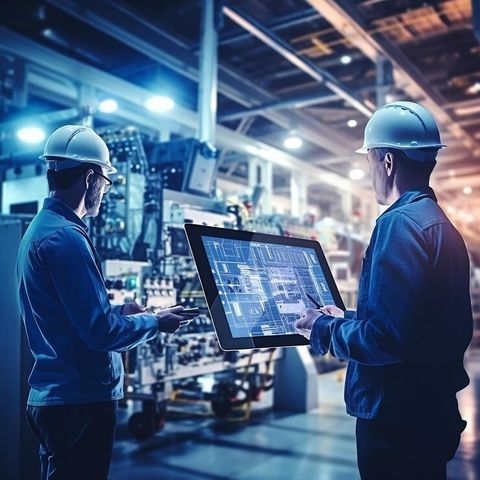
Industrial plants commonly use sensors and control platforms to monitor operating conditions. Useful measurements can include:
- Temperature
- Pressure
- Flow rate
- Liquid level
- pH
- Conductivity
- Gas concentration
- Energy consumption
Data from these systems can help operators identify abnormal conditions and understand process performance.
Learning Resources
For general learning, useful resources include:
- Chemical engineering textbooks
- Process-safety manuals
- Industrial standards databases
- Government regulatory portals
- Chemical property databases
- Safety-data documentation
- Process-flow diagram examples
- Laboratory-to-industrial scale-up guides
These resources can help students, engineers, plant personnel, and general readers understand industrial chemical technology without relying on a single type of equipment or process.
FAQs
What is an industrial chemical process?
An industrial chemical process is a controlled sequence used to transform raw materials into chemicals or chemical-based materials. It can include reaction, mixing, heating, cooling, separation, purification, and quality testing.
What equipment is commonly used in chemical processing?
Common equipment includes reactors, heat exchangers, pumps, tanks, filtration systems, distillation columns, dryers, crystallizers, sensors, and automated control systems. The equipment depends on the specific process.
Why is process control important in chemical manufacturing?
Process control helps maintain variables such as temperature, pressure, flow, level, and composition within defined operating ranges. This supports consistent operation and can help identify abnormal conditions.
How does automation affect chemical processes?
Automation allows sensors and control systems to monitor process conditions continuously and adjust selected operating parameters. It can also provide historical data for process analysis and maintenance planning.
Are chemical processes regulated in India?
Yes. Depending on the activity and materials involved, chemical manufacturing can be affected by environmental legislation, hazardous-chemical rules, emergency-preparedness requirements, waste regulations, and product-specific quality standards. The MSIHC Rules, 1989 are an important framework for specified hazardous chemicals.
Conclusion
Industrial chemical processes form an important foundation for modern manufacturing. From chemical reactions and separation systems to automated monitoring and quality control, each stage contributes to the final performance of a production process.