Industrial Bioreactors Explained: Bioprocessing Systems, Technologies and Applications
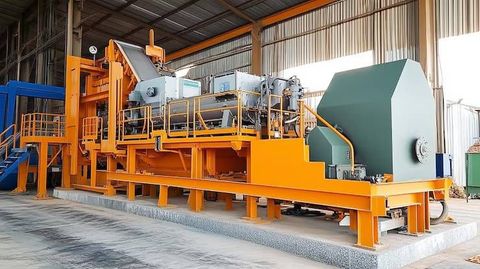
Industrial bioreactors are engineered systems used to cultivate microorganisms, cells, enzymes, or other biological materials under controlled conditions. They form an important part of industrial biotechnology, pharmaceutical manufacturing, food processing, fermentation, and other large-scale biological production processes.
Unlike laboratory reactors, industrial bioreactors are designed to handle larger working volumes while maintaining controlled temperature, pH, oxygen transfer, mixing, pressure, and nutrient conditions. Their design combines biological requirements with mechanical, automation, sanitation, and process-control considerations.
Context
What Are Industrial Bioreactors?
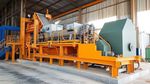
Industrial bioreactors are vessels or integrated processing systems designed for biological production at pilot or manufacturing scale. They provide a controlled environment in which cells or microorganisms can grow and generate a desired biological product.
These systems can range from relatively small pilot units to large production vessels. The appropriate configuration depends on the organism, product, production method, operating volume, and downstream processing requirements.
How Industrial Bioreactors Work
A typical industrial bioreactor combines a vessel with mechanical and digital systems that maintain defined process conditions.
During operation, sensors continuously monitor variables such as temperature, pH, dissolved oxygen, pressure, and agitation. Control systems use this information to regulate pumps, valves, gas flow, heating or cooling systems, and agitation equipment.
A simplified industrial bioprocess can include:
- Preparation of the culture medium
- Sterilization or contamination-control preparation
- Introduction of the biological culture
- Controlled cultivation or fermentation
- Process monitoring
- Harvesting
- Transfer to downstream processing
Major Industrial Bioreactor Types
Several reactor designs are used in industrial bioprocessing.
| Type | Operating Principle | Common Applications |
|---|---|---|
| Stirred-Tank | Mechanical mixing with impellers | Microbial and cell culture |
| Airlift | Gas circulation creates fluid movement | Microbial and cell processes |
| Packed-Bed | Cells or catalysts remain on a support | Immobilized-cell processes |
| Fluidized-Bed | Particles remain suspended by fluid flow | Enzyme and cell processes |
| Single-Use | Disposable process chamber | Biopharmaceutical production |
| Photobioreactor | Controlled light and nutrient conditions | Algae and photosynthetic cultures |
| Wave Bioreactor | Rocking motion provides mixing | Cell expansion and development |
Stirred-Tank Industrial Bioreactors
Stirred-tank bioreactors are widely used for industrial fermentation and cell culture. Impellers create controlled circulation throughout the vessel, helping distribute nutrients and gases.
The system may incorporate multiple impeller designs, depending on viscosity, oxygen-transfer requirements, and cell sensitivity.
Single-Use Industrial Systems
Single-use systems use disposable bags or chambers manufactured from specialized polymer materials. They can reduce certain cleaning and sterilization activities associated with permanent stainless-steel equipment.
These systems are particularly relevant to facilities that require flexible production configurations or frequent process changeovers.
Stainless-Steel Bioreactors
Stainless-steel reactors are permanent systems designed for repeated use. They can incorporate cleaning-in-place and sterilization-in-place technologies and are commonly integrated into large-scale manufacturing facilities.
Their design requires careful consideration of vessel geometry, surface finish, weld quality, piping, valves, sensors, and cleaning procedures.
Importance
Why Industrial Bioreactors Matter
Industrial bioreactors provide the controlled environment required to scale biological processes beyond laboratory research. Maintaining stable conditions is important because biological systems can respond significantly to changes in temperature, pH, oxygen availability, nutrients, and agitation.
A well-designed reactor therefore combines biological process requirements with mechanical engineering and automated control.
Supporting Industrial Biotechnology
Industrial biotechnology uses biological organisms or biological components to produce materials and compounds. Bioreactors can support microbial fermentation, enzyme production, recombinant products, organic acids, specialty ingredients, and other processes.
The reactor is usually only one part of a broader production chain that includes upstream preparation and downstream purification.
Oxygen Transfer and Mixing
Oxygen transfer is a major engineering consideration in aerobic processes. Microorganisms and cells may consume oxygen at rates that increase as biological activity changes.
Industrial reactors can use spargers, impellers, gas-control systems, and sensors to manage oxygen availability. Mixing must also be designed to distribute nutrients and temperature without creating unsuitable shear conditions.
Heat Transfer
Biological processes generate heat, while external heating or cooling may also be required. Industrial bioreactors therefore incorporate jackets, coils, heat exchangers, or other thermal-control technologies.
Temperature control helps maintain the operating conditions required for the selected biological process.
Process Automation
Industrial automation allows operators to monitor and control reactor parameters through centralized interfaces.
Automated systems can manage:
- Temperature
- pH
- Dissolved oxygen
- Agitation
- Gas flow
- Pressure
- Feed rates
- Foam control
- Sampling
Automation can also create electronic records of process conditions for analysis and documentation.
Manufacturing Systems and Equipment
Reactor Vessel
The vessel provides the controlled environment for the biological process. Industrial vessels may be constructed from stainless steel or used with single-use process chambers.
Vessel geometry influences mixing, gas transfer, heat transfer, and cleaning requirements.
Agitation Systems
Agitation equipment generally includes a motor, shaft, seals, and one or more impellers. The design is selected according to the biological material and fluid characteristics.
Excessive agitation can create undesirable shear for sensitive cells, while insufficient mixing can produce concentration or temperature gradients.
Gas Delivery Systems
Gas-management equipment supplies air, oxygen, nitrogen, carbon dioxide, or other process gases as required.
Flow controllers and gas analyzers can help regulate and monitor gas composition and delivery.
Sensors and Probes
Industrial reactors commonly use sensors for:
- pH
- Dissolved oxygen
- Temperature
- Pressure
- Foam
- Gas composition
- Biomass or related process indicators
Reliable measurement is important because automated control depends on sensor information.
Feeding and Dosing Systems
Fed-batch processes can require controlled addition of nutrients or other process materials. Pumps and dosing systems regulate feed rates according to predefined process strategies.
Accurate dosing can help maintain the biological environment throughout the cultivation period.
Industrial Applications
Pharmaceutical Manufacturing
Industrial bioreactors are widely used in the manufacture of biological products such as therapeutic proteins, antibodies, vaccines, and enzymes.
Mammalian cell culture systems require carefully controlled environmental conditions and contamination-control procedures.
Microbial Fermentation
Bacteria, yeast, and fungi can be cultivated in industrial reactors for biological production.
Applications include enzymes, organic acids, amino acids, recombinant products, and fermentation-derived ingredients.
Food Biotechnology
Industrial fermentation systems support production processes involving microorganisms and biological cultures.
Applications can include fermentation cultures, enzymes, organic acids, and other ingredients used in food-related manufacturing.
Industrial Enzymes
Bioreactors can be used to cultivate microorganisms that produce enzymes for applications in food processing, detergents, textiles, agriculture, and industrial chemistry.
After cultivation, downstream processing separates and purifies the target enzyme.
Algae Cultivation
Photobioreactors provide controlled light, gas, nutrient, and temperature conditions for photosynthetic organisms.
Industrial applications can include biomass production, specialty compounds, pigments, and research into biological materials.
Cell-Based Manufacturing
Industrial cell-culture systems can support the expansion of mammalian cells and other specialized cell types. Reactor configuration depends on cell characteristics, production scale, culture method, and downstream requirements.
Recent Updates
Digital Process Monitoring
Industrial bioreactors are increasingly connected to digital monitoring platforms. Continuous data collection can help operators understand how process parameters change over time.
Historical datasets can also support process development, troubleshooting, and production analysis.
Advanced Automation
Modern bioreactor control systems increasingly combine sensors, programmable controllers, supervisory software, and automated dosing equipment.
Automated control can maintain predefined process ranges while reducing the need for continuous manual adjustment.
Process Analytical Technology
Process Analytical Technology approaches emphasize measurement and understanding of critical process conditions and product characteristics.
PAT tools can be integrated with bioreactors to provide additional information about biological activity and process performance.
Artificial Intelligence and Analytics
Machine-learning methods are being investigated for biological process modeling, anomaly detection, prediction, and process optimization.
AI-based analysis can identify relationships within large process datasets, although technical validation and appropriate human oversight remain important.
Flexible Manufacturing
Single-use systems and modular equipment are supporting more flexible bioprocessing environments. Modular reactor configurations can allow facilities to adapt equipment arrangements to different production requirements.
Material compatibility, contamination control, waste handling, and supply planning remain important considerations.
Laws or Policies
Good Manufacturing Practice
Industrial bioreactors used for regulated pharmaceutical manufacturing may operate under Good Manufacturing Practice requirements. These frameworks address equipment, documentation, process control, contamination prevention, personnel practices, and product quality.
Specific requirements depend on the product and jurisdiction.
Equipment Qualification
Regulated facilities may qualify bioreactor systems to demonstrate that equipment has been installed and operates according to defined specifications.
Qualification documentation can include installation, operation, performance, calibration, and configuration information.
Sterilization and Contamination Control
Industrial biological processes require appropriate measures to prevent unwanted microorganisms from affecting production.
Permanent systems may use cleaning-in-place and sterilization-in-place processes, while single-use systems rely on controlled manufacturing and validated handling procedures.
Environmental Requirements
Industrial biological manufacturing can generate wastewater, biological residues, chemical cleaning materials, and solid waste. Facilities must follow applicable environmental requirements for handling and disposal.
Data Integrity
Automated reactors generate large quantities of electronic process data. Regulated organizations need appropriate controls for data access, traceability, retention, changes, and record accuracy.
Tools and Resources
Bioreactor Control Platforms
Control platforms allow operators to monitor process variables and manage equipment through centralized interfaces.
Process Simulation
Computational modeling can help engineers evaluate fluid flow, mixing, oxygen transfer, heat transfer, and scale-up behavior before modifying physical equipment.
Maintenance Management Systems
Maintenance platforms can track equipment inspections, calibration activities, component replacement, and maintenance history.
Integration between maintenance records and reactor-control systems can improve equipment visibility.
Data Analytics
Analytics platforms can compare historical process runs, identify deviations, evaluate trends, and support process-development decisions.
Supplier Evaluation
Organizations evaluating industrial bioreactor suppliers can examine vessel materials, reactor volumes, automation, sensor compatibility, sterilization methods, documentation, installation requirements, and integration capabilities.
FAQs
What are industrial bioreactors?
Industrial bioreactors are controlled vessels or systems used for large-scale biological cultivation and production. They support processes involving microorganisms, animal cells, plant cells, enzymes, and other biological materials.
What types of industrial bioreactors are used?
Common types include stirred-tank, airlift, packed-bed, fluidized-bed, single-use, wave, and photobioreactors. Selection depends on the biological process and manufacturing requirements.
What are industrial bioreactors used for?
They are used in pharmaceutical manufacturing, microbial fermentation, enzyme production, food biotechnology, industrial biotechnology, algae cultivation, and cell-based production.
What equipment is included in an industrial bioreactor system?
A system can include a reactor vessel, agitator, gas-delivery equipment, sensors, pumps, temperature-control equipment, dosing systems, valves, and automated control software.
What should be considered when selecting industrial bioreactor suppliers?
Important considerations include reactor volume, vessel material, biological process requirements, mixing, oxygen transfer, automation, sensor integration, sterilization, documentation, scale-up requirements, and applicable regulations.
Conclusion
Industrial bioreactors are central to large-scale biological manufacturing. They provide controlled environments for microbial fermentation, mammalian cell culture, enzyme production, pharmaceutical biotechnology, food-related fermentation, algae cultivation, and other industrial biological processes.
Modern systems combine engineered vessels with sensors, automated controls, gas-management equipment, dosing systems, data platforms, and contamination-control technologies. The continued development of single-use equipment, digital monitoring, process analytics, and automated control is expanding the capabilities of industrial bioprocessing.
Compliance Note: This article is for general educational purposes. Industrial bioprocessing facilities should verify applicable regulations, equipment specifications, validation requirements, contamination-control procedures, and operational practices with qualified professionals and relevant authorities.