Metallurgical Processing Explained: Metal Processing Technologies, Equipment Types, Manufacturing Processes, Global Manufacturers, Suppliers and Industrial Applications
Metallurgical processing refers to the methods used to extract metals from ores, refine them, improve their properties, and convert them into materials suitable for industrial applications. It combines chemistry, physics, materials science, and engineering to transform naturally occurring minerals or recycled metal into usable products.
Metals such as iron, aluminum, copper, nickel, zinc, and titanium are essential to construction, transportation, energy production, electronics, and machinery manufacturing. However, metals rarely occur in a form that can be used directly. They may need to be separated from minerals, purified, melted, alloyed, shaped, or treated to achieve the required properties.
Metallurgical processing generally includes three interconnected areas: extractive metallurgy, physical metallurgy, and process metallurgy. Extractive metallurgy focuses on recovering metals from ores and other raw materials. Physical metallurgy examines how processing changes a metal's structure and properties. Process metallurgy applies controlled industrial methods to produce metals and alloys with specific characteristics.
Main stages of metallurgical processing
The sequence depends on the metal, raw material, and intended application, but many production routes involve the following stages:
Ore preparation: Crushing, grinding, and screening reduce the size of mineral-bearing material and prepare it for separation.
Mineral beneficiation: Physical or chemical methods separate valuable minerals from unwanted material.
Metal extraction: Smelting, leaching, electrolysis, or other processes recover the target metal.
Refining: Removes impurities and adjusts the chemical composition.
Alloy production: Combines a base metal with selected elements to achieve particular properties.
Casting and forming: Converts molten or solid metal into shapes such as billets, slabs, sheets, bars, and components.
Heat treatment and finishing: Changes material properties or improves surface condition for the intended application.
Not every metal passes through every stage. Aluminum, steel, copper, and titanium, for example, have different extraction routes, processing requirements, and refining methods.
Importance of Metallurgical Processing
Metallurgical processing is important because the performance of a metal depends on its chemical composition, internal structure, surface condition, and manufacturing history. A metal intended for a building structure may require different properties from one used in an aircraft component, electrical conductor, or chemical processing vessel.
Processing methods influence properties such as hardness, strength, ductility, corrosion resistance, thermal conductivity, and wear resistance. Carefully controlled production helps manufacturers produce materials that meet technical specifications and perform consistently under their intended operating conditions.
Major industrial applications
Metallurgical processing supports a wide range of industries.
Construction: Produces structural steel, reinforcing bars, aluminum framing, and metal roofing materials.
Automotive manufacturing: Supplies steel sheets, cast iron components, aluminum parts, and specialized alloys.
Aerospace: Produces lightweight aluminum alloys, titanium components, and nickel-based superalloys for demanding conditions.
Energy production: Supports the manufacture of turbines, pipelines, electrical conductors, pressure equipment, and renewable energy components.
Electronics: Provides copper, aluminum, silicon-related materials, and other metals used in electrical and electronic systems.
Mining and mineral processing: Separates valuable minerals and prepares feedstock for metal extraction.
Machinery manufacturing: Supplies gears, shafts, bearings, cutting tools, and wear-resistant components.
Medical equipment: Provides selected stainless steels, titanium alloys, and other materials designed for specific medical applications.
How processing affects metal properties
Metals with similar chemical compositions can behave differently when processed under different conditions. For example, controlled heating and cooling can change the internal grain structure of steel, affecting hardness and toughness. Cold working can increase strength while reducing ductility, whereas annealing can help restore ductility in certain materials.
Alloying is another important technique. Adding elements such as chromium, nickel, manganese, or molybdenum can modify corrosion resistance, strength, or high-temperature performance. The effect depends on the combination of elements and the subsequent processing conditions.
Primary production and metal recycling
Metals can be obtained from newly mined ores or recovered from scrap. Primary production generally begins with mineral extraction, followed by beneficiation and metal recovery. Secondary production uses recovered materials, which may require sorting, cleaning, melting, refining, and composition adjustment.
Recycling can reduce the need for primary raw materials and may require less energy for certain metals, particularly when scrap is well sorted and contamination is limited. However, energy use and environmental impacts vary according to the metal, recycling route, electricity source, and processing requirements.
Metallurgical Processing Technologies and Equipment Types
Metallurgical plants use specialized equipment to separate minerals, extract metals, refine molten materials, and control the properties of finished products. Equipment selection depends on the raw material, production capacity, desired purity, energy requirements, and environmental conditions.
Mineral preparation and separation equipment
Before metals can be extracted, valuable minerals often need to be separated from surrounding rock.
Crushers and grinding mills: Reduce ore into smaller particles to release valuable minerals.
Screening equipment: Separates particles according to size.
Magnetic separators: Separate magnetic minerals from other materials when their magnetic properties allow it.
Flotation cells: Use differences in surface properties to separate selected minerals from unwanted material.
Gravity separation equipment: Uses differences in density to concentrate certain minerals.
The effectiveness of these methods depends on the mineral composition, particle size, and physical characteristics of the ore. Some materials require several separation stages before metal extraction.
Metal extraction and refining equipment
Extraction equipment converts prepared raw materials into recoverable metal or an intermediate compound.
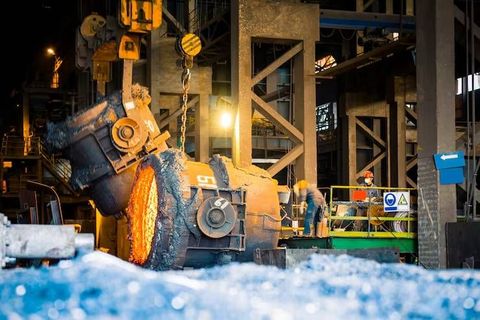
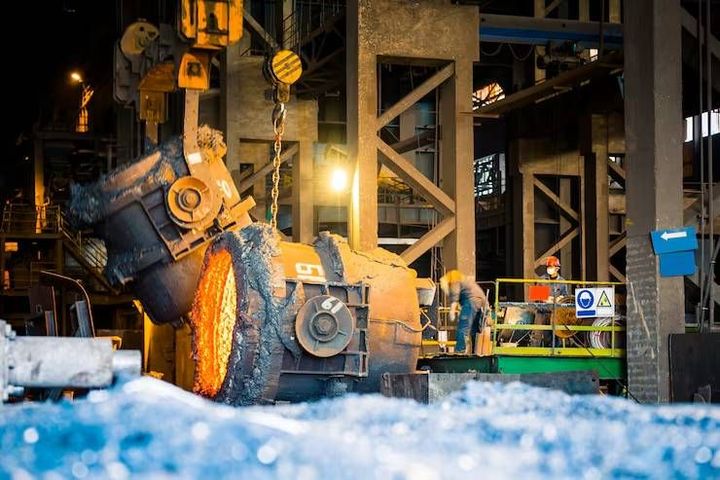
Smelting furnaces: Use high temperatures and chemical reactions to recover metals from ores or concentrates. Depending on the process, the output may contain molten metal, slag, and gases.
Leaching systems: Use suitable chemical solutions to dissolve selected metals from ores or processed materials. The metal is subsequently recovered from the resulting solution.
Electrolytic cells: Use electrical energy to extract or refine certain metals. Electrolysis is important in aluminum production and copper refining, among other applications.
Refining furnaces: Remove unwanted elements or adjust the composition of molten metals. Different furnace designs are used for steel, copper, aluminum, and other materials.
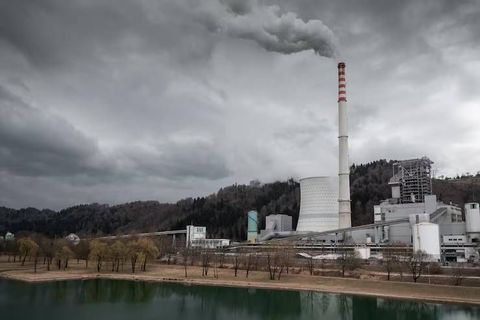
Gas treatment systems: Collect and treat process gases and dust generated during extraction and refining. Their design depends on the chemical composition and temperature of the exhaust stream.
Metal forming and heat treatment equipment
After extraction and refining, metals are shaped and processed into products suitable for industrial use.
Casting machines: Pour molten metal into molds or continuous casting systems to create defined shapes.
Rolling mills: Reduce metal thickness or change its cross-sectional profile by passing it between rotating rolls.
Forging presses: Shape heated or, in some applications, cold metal through compressive force.
Extrusion presses: Force material through a shaped opening to create products with a consistent cross-section.
Heat treatment furnaces: Control heating, holding, and cooling cycles to modify material properties.
Surface treatment equipment: Applies or develops surface layers and finishes for specific functional requirements.
Comparing major processing routes
Processing route | Main purpose | Common examples |
|---|---|---|
Pyrometallurgy | Uses heat-driven reactions | Smelting, roasting, refining |
Hydrometallurgy | Uses aqueous chemical solutions | Leaching, solution purification |
Electrometallurgy | Uses electrical processes | Electrolysis, electrowinning |
Mechanical processing | Changes shape or particle size | Crushing, rolling, forging |
Heat treatment | Modifies internal structure and properties | Annealing, quenching, tempering |
Surface engineering | Modifies surface characteristics | Coating, hardening, finishing |
Industrial facilities often combine several of these routes. The selected process must suit the metal's chemistry, the desired product, and the operating requirements of the plant.
Manufacturing Processes and Industrial Quality Control
Metallurgical production requires control over chemical composition, temperature, pressure, material flow, and processing time. Small variations can affect the quality of the final metal, making testing and process monitoring important throughout production.
How metallurgical equipment is manufactured
Manufacturing metallurgical equipment involves several engineering disciplines. Heavy equipment such as furnaces, presses, rolling mills, and mineral processing machines may require structural fabrication, precision machining, refractory installation, electrical systems, instrumentation, and automated controls.
The manufacturing process generally includes design calculations, material selection, fabrication, assembly, inspection, and operational testing. Equipment operating at high temperatures or under pressure may require specialized materials and additional engineering verification.
Wear resistance is particularly important for equipment exposed to abrasive ores, hot metal, slag, or repeated mechanical loads. Components such as crusher liners, furnace refractories, rolls, and cutting tools must be selected according to their operating conditions and expected degradation mechanisms.
Quality control in metallurgical processing
Quality control helps determine whether materials meet their intended specifications. Common testing methods include:
Chemical analysis to measure alloy composition and impurity levels.
Hardness testing to assess resistance to indentation.
Tensile testing to measure strength and elongation under applied force.
Metallographic examination to study grain structure, phases, and defects.
Nondestructive testing to detect certain internal or surface flaws without destroying the component.
Dimensional inspection to verify product geometry and tolerances.
Testing requirements vary by material and application. A structural steel product, an electrical copper conductor, and a high-temperature turbine alloy do not necessarily require the same inspection procedures.
Recent Developments in Metallurgical Processing
Developments from 2024 through 2026 have continued to emphasize energy efficiency, process automation, lower-emission metal production, and improved recovery of valuable materials. Adoption differs across metals and regions because existing plants, infrastructure, raw material availability, and electricity sources influence which technologies are practical.
Automation and digital process monitoring
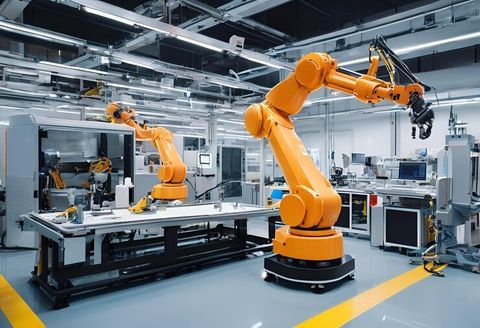
Modern metallurgical facilities increasingly use sensors, automated controls, and data analysis to monitor furnace temperatures, chemical composition, equipment condition, and material movement. These systems help operators identify deviations and coordinate production activities.
Digital models and process simulation tools can also help engineers evaluate operating conditions before making changes to industrial equipment. Their usefulness depends on the accuracy of the underlying data and whether the models represent actual production conditions.
Lower-emission metal production
Steel producers are investigating several approaches to reducing emissions, including greater use of scrap, improved furnace efficiency, hydrogen-based direct reduction, and the use of electricity from lower-emission sources. These pathways have different infrastructure requirements and are not equally suitable for every location.
Aluminum and copper production are also affected by electricity demand, recycling practices, and the treatment of process residues. Recycling can help preserve material resources, although impurities and mixed alloy compositions may limit the applications of recovered metals.
Critical minerals and advanced materials
Demand for materials used in batteries, electrical networks, renewable energy systems, and electronic equipment has increased attention on mineral recovery and refining technologies. Researchers and industrial operators are examining ways to improve the recovery of valuable elements from ores, industrial residues, and discarded products.
Advanced alloys and specialized coatings also remain important for aerospace, energy, chemical processing, and other demanding applications. Their production often requires careful control of composition, thermal history, and microstructure.
Laws, Standards, and Environmental Requirements
Metallurgical processing is influenced by regulations covering industrial safety, emissions, waste management, water use, and product quality. The exact requirements depend on the process, the facility's location, the materials being handled, and the products being manufactured.
Regulatory considerations in India
In India, metallurgical plants may need to comply with applicable environmental clearances, air and water pollution requirements, hazardous waste rules, workplace safety provisions, and factory regulations. Requirements can differ between mining operations, metal extraction plants, foundries, rolling mills, and metal finishing facilities.
The Environment (Protection) Act, 1986, and applicable rules provide an important framework for environmental protection. The Air (Prevention and Control of Pollution) Act, 1981, and the Water (Prevention and Control of Pollution) Act, 1974, are also relevant to regulated industrial activities. Depending on the operation, facilities may require approvals or consents from the relevant pollution control authorities.
Metal production can generate dust, gases, slag, wastewater, and other residues. Applicable rules determine how these materials must be controlled, treated, stored, or disposed of. Operators must verify current requirements for their particular facility rather than assuming that one set of rules applies to every metallurgical process.
International standards and technical guidance
Several standards and frameworks may be relevant to metallurgical production:
ISO 9001: Quality management systems.
ISO 14001: Environmental management systems.
ISO 45001: Occupational health and safety management systems.
ASTM material testing standards: Procedures for testing and evaluating specified materials.
Applicable ISO and national material standards: Requirements for chemical composition, mechanical properties, dimensions, and testing.
Standards may be voluntary or become applicable through regulations, contracts, or product specifications. Compliance depends on the relevant edition, scope, and requirements.
Tools and Resources
Metallurgical engineers use specialized software, testing instruments, and reference documents to manage production and assess material properties.
Common tools used in metallurgical plants
Process simulation software: Models material flows, thermal conditions, and selected chemical processes to support process design and evaluation.
Laboratory analysis instruments: Spectrometers and other analytical equipment measure the composition of metals, alloys, ores, and process materials.
Materials testing equipment: Hardness testers, tensile testing machines, and metallographic microscopes help evaluate mechanical properties and microstructure.
Industrial monitoring systems: Sensors, programmable controllers, and supervisory control systems monitor operating conditions and equipment performance.
Environmental monitoring equipment: Measures selected emissions, dust levels, wastewater characteristics, and other parameters required for operational control or regulatory reporting.
Equipment selection and testing procedures should match the material, measurement objective, and applicable technical requirements.
Frequently Asked Questions
What are the main types of metallurgical processing?
The main categories are extractive metallurgy, physical metallurgy, and process metallurgy. Common industrial methods include smelting, leaching, electrolysis, refining, casting, rolling, forging, and heat treatment.
What equipment is used in metallurgical processing plants?
Typical equipment includes crushers, grinding mills, separation systems, furnaces, electrolytic cells, casting machines, rolling mills, presses, and heat treatment furnaces. The required equipment depends on the metal and production route.
How does metallurgical processing affect metal quality?
Processing influences chemical composition, grain structure, hardness, strength, ductility, and corrosion resistance. Controlled production and appropriate testing help establish whether a material meets its intended specifications.
What is the difference between pyrometallurgy and hydrometallurgy?
Pyrometallurgy uses heat-driven reactions to process or recover metals, while hydrometallurgy uses aqueous chemical solutions. The suitable method depends on the metal, ore composition, process conditions, and recovery requirements.
Why is metal recycling important in metallurgy?
Recycling recovers useful metals from scrap and discarded products, reducing the need for some primary raw materials. Its environmental and energy benefits depend on the material, contamination levels, processing route, and energy sources.
Conclusion
Metallurgical processing transforms ores, recovered metals, and other raw materials into industrial materials with defined compositions and properties. Technologies such as smelting, leaching, electrolysis, casting, rolling, and heat treatment serve different stages of production. Equipment selection, process monitoring, quality testing, and environmental controls are important throughout the manufacturing chain. Advances in automation, material recovery, and lower-emission production continue to influence the development of the metallurgical industry.