Hydraulic Press Machines Guide: Types, Uses and Applications
Hydraulic press machines are powerful industrial machines that use hydraulic force to compress, shape, bend, punch, or form materials. They operate based on Pascal's Principle, which states that pressure applied to a confined fluid is transmitted equally in all directions.
The development of hydraulic press technology was driven by the need for stronger and more controlled manufacturing processes. Traditional mechanical methods often struggled to handle large-scale metal forming and precision shaping requirements. Hydraulic systems provided a solution by delivering consistent force with improved control.
Today, hydraulic presses are found in numerous industries including manufacturing, automotive production, aerospace engineering, construction equipment manufacturing, recycling operations, and heavy machinery production. They are used to process metals, plastics, rubber, composites, and various industrial materials.
Modern hydraulic press machines range from compact workshop units to massive industrial systems capable of generating thousands of tons of force. Their versatility has made them an important part of industrial automation and advanced manufacturing processes.
Why Hydraulic Press Machines Matter Today
Industrial production continues to grow worldwide, increasing the demand for efficient material processing equipment. Hydraulic presses play a significant role in supporting this growth.
Key Benefits of Hydraulic Press Machines
- High force generation with controlled pressure
- Precise shaping and forming capabilities
- Consistent production quality
- Adaptability for various materials
- Improved manufacturing efficiency
- Support for large-scale industrial operations
Industries That Rely on Hydraulic Press Technology
| Industry | Common Applications |
|---|---|
| Automotive | Body panels, components, assembly parts |
| Aerospace | Structural components and metal forming |
| Manufacturing | Stamping, punching, molding |
| Construction | Heavy equipment parts production |
| Recycling | Metal compaction and waste processing |
| Electronics | Precision component fabrication |
Hydraulic presses help solve several industrial challenges, including material deformation, component shaping, assembly precision, and large-scale production requirements. Their ability to apply controlled force makes them suitable for both heavy-duty and precision applications.
As industries increasingly focus on productivity, automation, and quality control, hydraulic press systems continue to remain relevant in modern manufacturing environments.
Types of Hydraulic Press Machines
Hydraulic presses are available in multiple configurations designed for specific industrial tasks.
H-Frame Hydraulic Press
The H-frame design is one of the most common configurations. Its frame resembles the shape of the letter "H" and provides strong structural support.
Common uses include:
- Metalworking
- Equipment maintenance
- Component assembly
- Repair workshops
C-Frame Hydraulic Press
C-frame presses offer easier access to the work area due to their open-front design.
Applications include:
- Punching operations
- Light manufacturing
- Small component forming
- Laboratory testing
Four-Column Hydraulic Press
These machines use four vertical columns to support the structure and distribute force evenly.
Common applications:
- Deep drawing
- Large component forming
- Composite material processing
- Automotive manufacturing
Bench Hydraulic Press
Bench-mounted units are compact and suitable for smaller industrial operations.
Typical uses:
- Bearing installation
- Light assembly work
- Educational training
- Maintenance tasks
Servo Hydraulic Press
Servo-controlled systems combine hydraulic power with advanced electronic controls.
Advantages include:
- Enhanced precision
- Better energy efficiency
- Improved process monitoring
- Automated production support
Recent Developments and Industry Trends
The hydraulic press industry has experienced several important developments during 2025 and early 2026.
Growth of Smart Manufacturing
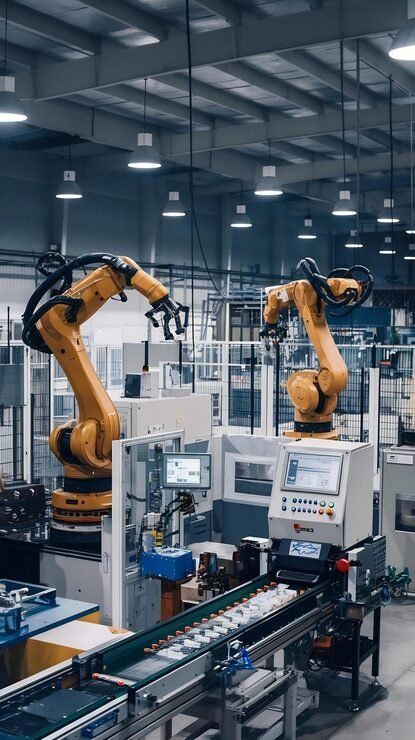
Manufacturers increasingly integrate hydraulic presses with industrial automation systems. Smart sensors, digital monitoring, and predictive maintenance technologies are becoming common features.
These technologies help operators:
- Monitor machine performance
- Track pressure levels
- Reduce downtime
- Improve operational efficiency
Energy Efficiency Improvements
During 2025, many industrial equipment manufacturers focused on reducing energy consumption. Variable-speed pumps and intelligent hydraulic systems have become more widely adopted.
Benefits include:
- Lower power usage
- Reduced operational strain
- Improved system lifespan
- Better sustainability performance
Expansion of Industry 4.0 Integration
Industry 4.0 initiatives continue to influence hydraulic press technology. Connected machinery can exchange operational data with manufacturing management systems.
This trend supports:
- Real-time monitoring
- Production analytics
- Quality control improvements
- Process optimization
Increased Demand for Lightweight Material Processing
The automotive and aerospace sectors continue adopting lightweight materials such as aluminum alloys and composite materials. Hydraulic presses are increasingly designed to accommodate these advanced materials.
Hydraulic Press Technology Trend Overview
| Trend | Impact on Industry |
| Smart Sensors | Better machine monitoring |
| Automation Integration | Improved productivity |
| Energy-Efficient Systems | Reduced energy consumption |
| Digital Controls | Higher operational accuracy |
| Predictive Maintenance | Reduced downtime |
| Advanced Material Processing | Expanded manufacturing capabilities |
Laws, Regulations, and Industrial Compliance
Hydraulic press operations are subject to workplace safety regulations and industrial standards in many countries.
Workplace Safety Requirements
Most industrial facilities must follow occupational safety regulations covering:
- Machine guarding
- Emergency stop systems
- Operator training
- Maintenance procedures
- Risk assessments
These measures help reduce workplace accidents and improve operational safety.
Equipment Inspection Standards
Regular inspection requirements often include:
- Hydraulic fluid system checks
- Pressure testing
- Structural inspections
- Control system verification
- Safety device evaluation
Routine inspections help ensure equipment reliability and compliance with industrial standards.
Environmental Considerations
Many countries have strengthened environmental regulations affecting industrial equipment operations.
Areas of focus include:
- Hydraulic fluid management
- Waste disposal procedures
- Energy efficiency practices
- Emission reduction initiatives
Manufacturing Compliance Frameworks
Industrial facilities commonly follow recognized quality and safety management frameworks covering:
- Process documentation
- Quality assurance
- Equipment maintenance
- Worker safety programs
Compliance requirements vary by country, industry sector, and manufacturing environment.
Useful Tools and Resources for Learning About Hydraulic Presses
Various educational and operational resources can help individuals and organizations understand hydraulic press technology.
Engineering Calculators
Useful calculation tools may include:
- Hydraulic force calculators
- Pressure conversion calculators
- Cylinder sizing calculators
- Material strength calculators
These tools assist with planning and equipment analysis.
Technical Documentation Templates
Organizations often use:
- Maintenance checklists
- Safety inspection forms
- Equipment log sheets
- Operating procedure templates
Proper documentation supports consistent machine management.
Industrial Training Resources
Learning materials may include:
- Technical manuals
- Machinery operation guides
- Safety training programs
- Engineering reference documents
These resources help improve operator knowledge and workplace safety.
Monitoring and Diagnostic Software
Modern industrial systems often use software for:
- Performance tracking
- Pressure monitoring
- Maintenance scheduling
- Data analysis
Digital monitoring supports more informed operational decisions.
Frequently Asked Questions
What is a hydraulic press machine used for?
A hydraulic press machine is used to apply controlled force for shaping, compressing, bending, punching, molding, and assembling materials in industrial environments.
How does a hydraulic press generate force?
Hydraulic presses use pressurized fluid inside a closed system. The pressure is transmitted through hydraulic cylinders, creating significant force for industrial operations.
Which industries commonly use hydraulic presses?
Hydraulic presses are widely used in automotive manufacturing, aerospace production, metalworking, construction equipment manufacturing, recycling facilities, and general industrial production.
Are hydraulic presses suitable for automated manufacturing?
Yes. Modern hydraulic press systems often integrate with automated production lines, robotics, sensors, and digital monitoring systems to support advanced manufacturing processes.
What maintenance is important for hydraulic presses?
Important maintenance activities include checking hydraulic fluid levels, inspecting seals, monitoring pressure systems, testing safety devices, and performing regular equipment inspections.
Conclusion
Hydraulic press machines remain an essential part of modern industrial manufacturing. By using hydraulic force to shape, compress, and form materials, these machines support production processes across numerous industries.