Micro-LED Manufacturing Machines: A Complete Guide to Technology, Processes, and Applications
Micro-LED technology is an advanced display method that uses extremely small light-emitting diodes to create individual pixels. Each micro-LED produces its own light, allowing displays to operate without the separate backlight required by conventional LCD technology.
Micro-LED technology is being developed for televisions, wearable electronics, automotive displays, augmented reality devices, and large digital screens. However, manufacturing these displays is challenging because millions of tiny components may need to be positioned, connected, and tested accurately.
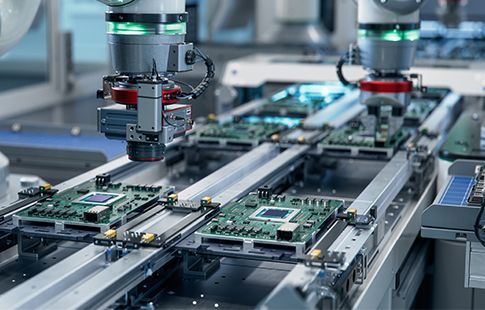
Micro-LED manufacturing machines are specialized systems that produce semiconductor chips, prepare display substrates, transfer microscopic LEDs, establish electrical connections, and inspect completed panels. These systems combine precision engineering, semiconductor processing, robotics, and automated measurement.
The main goal is to manufacture displays with consistent brightness, accurate pixel placement, reliable electrical connections, and minimal defects. Achieving these results requires careful control of every production stage.
How Micro-LED Manufacturing Works
The manufacturing process depends on the LED material, chip design, substrate, and intended application. A typical production workflow includes several important stages.
Epitaxial growth: Semiconductor layers are formed on a suitable substrate under controlled conditions.
Wafer processing: Lithography, etching, and related techniques create microscopic LED structures.
Chip inspection: Optical and electrical measurements identify defects and performance variations.
Chip separation: Individual LED components are separated from the processed wafer.
Mass transfer: Tiny LED chips are positioned on a display backplane.
Precision bonding: Electrical and mechanical connections are established.
Quality inspection: Automated systems check pixel alignment, visible defects, and electrical behavior.
Display testing: Completed panels are evaluated for brightness, color consistency, and functional performance.
Some manufacturing methods use alternative sequences, direct integration, or specialized transfer techniques. The appropriate process depends on the display architecture.
Types of Micro-LED Manufacturing Machines
Different production stages require different equipment. Each machine must operate within the accuracy and environmental conditions required by the manufacturing process.
Machine type | Main function |
|---|---|
Epitaxial growth equipment | Creates semiconductor layers |
Lithography systems | Defines microscopic chip patterns |
Etching equipment | Shapes semiconductor structures |
Wafer inspection machines | Detects selected defects |
Laser processing systems | Supports suitable chip separation or transfer methods |
Mass-transfer machines | Places micro-LED chips on substrates |
Precision bonding equipment | Establishes chip-to-backplane connections |
Optical inspection systems | Examines placement and surface quality |
Electrical testing equipment | Measures device performance |
Automated repair systems | Corrects selected defects where technically feasible |
These machines often operate as parts of an integrated production line. Coordinated equipment control helps maintain process consistency and traceability.
Importance of Automation in Micro-LED Production
Improving Precision and Consistency
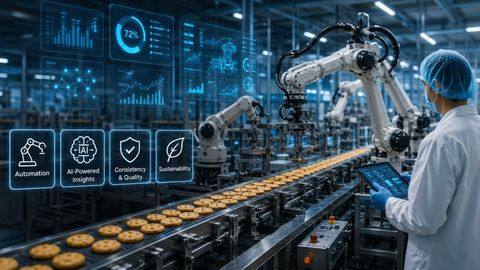
Micro-LED chips are extremely small, so minor placement errors can affect the performance or appearance of a display. Automated equipment can repeat movements accurately and monitor important production parameters.
Automation supports:
Accurate chip placement and orientation.
Consistent bonding and interconnection.
Repeatable production sequences.
Reduced unnecessary handling of delicate components.
Faster identification of selected defects.
Better recording of manufacturing conditions.
However, automation alone does not eliminate defects. Equipment calibration, material quality, validated process settings, and appropriate inspection methods remain essential.
Mass Transfer and Precision Bonding
Mass transfer is one of the most challenging stages of micro-LED manufacturing. It involves moving many small LED chips from a donor substrate to a receiving display substrate.
Common approaches include pick-and-place systems, stamp-assisted transfer, laser-assisted transfer, and fluidic assembly. Each method has different requirements for chip dimensions, alignment, throughput, and substrate compatibility.
Precision bonding then connects the LEDs to the display's electrical backplane. Depending on the design, manufacturers may use fine-pitch metal connections, conductive materials, or hybrid bonding techniques.
Key manufacturing challenges include:
Preventing chip damage during transfer.
Maintaining consistent pixel spacing.
Reducing missing or misplaced LEDs.
Controlling bonding quality.
Managing brightness and wavelength variations.
Detecting defects before final assembly.
A coordinated transfer, bonding, inspection, and repair process helps manufacturers improve production quality.
Quality Control and Process Monitoring
Quality control is necessary because a small number of defective pixels can affect the visual appearance of a high-resolution display.
Manufacturers combine several inspection methods to evaluate chips and finished panels.
Inspection method | What it evaluates |
|---|---|
Optical microscopy | Surface condition and visible defects |
Machine vision | Pixel placement and alignment |
Dimensional measurement | Chip size and spacing |
Electrical probing | Electrical characteristics |
Electroluminescence testing | Light emission and pixel performance |
Thermal monitoring | Temperature behavior under defined conditions |
Automated inspection systems can record defects and connect them with production batches. Engineers can use this information to identify recurring problems and adjust validated process parameters.
Statistical process control is also useful. Control charts and trend analysis can reveal changes in production measurements before they lead to larger quality problems.
Applications of Micro-LED Manufacturing Technology
Consumer Electronics
Micro-LED technology is being explored for televisions, compact electronic screens, wearable devices, and other consumer applications. Manufacturing equipment must support accurate pixel placement and consistent display performance.
Automotive Displays
Vehicle instrument panels, head-up displays, and advanced information screens may benefit from high brightness and clear visual output. Automotive applications also require appropriate durability and reliability testing.
Augmented Reality Devices
Augmented reality systems can require very small, high-resolution displays. Semiconductor processing, precise alignment, and compact integration are important for these applications.
Large-Format Digital Displays
Micro-LED technology can support large display installations used for public information, entertainment, and professional environments. Production systems must maintain pixel uniformity across large panels.
The maturity of these applications varies. Some products are commercially available, while others remain under development or limited production.
Recent Developments and Industry Trends in 2025–2026
Micro-LED manufacturing research continues to focus on production yield, equipment integration, inspection accuracy, and the challenges of scaling microscopic components to larger displays.
Important trends include:
AI-assisted inspection: Image-processing systems can help classify defects and identify unusual production patterns.
Advanced bonding: Fine-pitch and hybrid bonding techniques support more compact electrical connections.
Improved transfer methods: Manufacturers continue developing approaches to improve placement accuracy and reduce chip damage.
Automated defect repair: Selected defective pixels may be replaced or corrected when the display design permits it.
Digital process monitoring: Connected equipment allows engineers to compare manufacturing conditions with inspection results.
Flexible production systems: Modular equipment can help manufacturers test different chip designs and display architectures.
These developments indicate continued technical progress, but they do not mean that every micro-LED application has reached large-scale manufacturing. Production readiness and reliability differ across designs and manufacturers.
Laws, Policies, and Manufacturing Safety
Micro-LED manufacturing involves semiconductor equipment, industrial machinery, electrical systems, and chemical processing. Applicable regulations depend on the country, facility, and finished product.
In India, manufacturers may need to consider:
Workplace safety: Applicable factory and occupational safety requirements cover machinery operation, worker protection, and hazardous materials.
Environmental compliance: Chemical use, emissions, wastewater, and industrial waste may be subject to relevant environmental regulations.
Electrical safety: Manufacturing equipment and finished electronic products must meet applicable requirements.
Import and export rules: Equipment and materials may be subject to customs requirements and relevant trade controls.
Quality management: Documented procedures and traceability can support consistent manufacturing and corrective action.
International standards may also be relevant to electrical safety, quality management, and product reliability. Manufacturers should verify the current requirements for their particular equipment and intended markets.
Tools and Resources for Micro-LED Manufacturing
Several technical tools help engineers plan production, monitor equipment, and evaluate display quality.
Semiconductor process simulation: Helps evaluate fabrication steps and process conditions.
Machine vision software: Supports automated inspection of chip placement and surface defects.
Statistical process control tools: Track manufacturing variation and identify unusual trends.
Optical measurement instruments: Measure dimensions, alignment, and surface characteristics.
Electrical characterization equipment: Evaluates chip performance and electrical connections.
Maintenance checklists: Record equipment inspections, calibration, and repairs.
Production traceability templates: Connect materials, machine settings, and inspection results.
Technical standards databases: Help identify relevant safety and testing requirements.
A practical manufacturing checklist should document critical process parameters, measurement frequency, acceptable operating limits, calibration schedules, and corrective actions.
Frequently Asked Questions
What are micro-LED manufacturing machines?
They are specialized machines used to fabricate LED chips, transfer them to display substrates, create electrical connections, inspect pixels, and test completed displays.
Why is mass transfer important?
Mass transfer places large numbers of tiny LED chips onto a display substrate. Accurate positioning and low defect rates are essential for consistent image quality.
How does automation improve micro-LED production?
Automation supports repeatable positioning, controlled bonding, consistent inspection, and detailed production records. Its effectiveness depends on equipment accuracy and process validation.
What industries use micro-LED technology?
Potential applications include consumer electronics, automotive displays, augmented reality, wearable devices, and large-format digital screens. Adoption varies by application.
What are the main challenges in micro-LED manufacturing?
Major challenges include precise chip transfer, bonding reliability, defect detection, pixel uniformity, production yield, and integration of multiple manufacturing stages.
Conclusion
Micro-LED manufacturing machines combine semiconductor processing, precision transfer, bonding, automated inspection, and process monitoring. These technologies help manufacturers address the challenges of producing displays with extremely small light-emitting pixels.