Hydraulic Pipe Bending Machine Guide for Accurate Industrial Pipe Forming
A hydraulic pipe bending machine is an industrial system designed to shape metal pipes and tubes into precise angles and curves without damaging the material structure. These machines are widely used in manufacturing, fabrication, infrastructure development, energy systems, transportation equipment, and industrial processing applications. Their ability to create consistent bends with controlled pressure has made them important in many modern production environments.
Industrial pipe forming has become increasingly relevant as industries continue focusing on precision engineering, automation, and efficient material handling. Manufacturers globally are seeking methods that reduce waste, improve repeatability, and support scalable production workflows. Hydraulic systems help achieve these goals by delivering stable force and controlled movement during bending operations.
Over the past few years, digital monitoring systems, programmable controls, and automated forming technologies have improved the performance of hydraulic bending equipment. Many organizations now integrate pipe bending systems with industrial automation software, production analytics platforms, and workflow management tools to improve operational efficiency.
For beginners, understanding how hydraulic pipe bending machines work can help simplify complex industrial forming processes. Learning the main machine types, operating principles, and practical applications provides a strong foundation for evaluating industrial pipe forming solutions in different environments.
The following sections explore how these machines affect industries worldwide and the challenges they help solve.
Who it affects and what problems it solves
Hydraulic pipe bending machines affect a wide range of industries and professionals globally. Manufacturing facilities, fabrication workshops, infrastructure contractors, equipment engineers, industrial designers, and maintenance teams all rely on accurate pipe forming systems for daily operations. These machines are especially important in sectors involving pipelines, structural frames, mechanical systems, and fluid transport networks.
One major problem solved by hydraulic bending technology is material deformation during the forming process. Manual or outdated bending methods may create cracks, flattening, wrinkles, or inconsistent angles. Hydraulic systems reduce these risks by applying controlled pressure and maintaining consistent bending motion throughout the operation.
Another common challenge involves production efficiency. In many industries, large numbers of pipes with identical specifications are required. Automated hydraulic forming systems support repeatable production cycles while reducing manual adjustments and operational delays. This helps improve workflow consistency and production planning.
Pipe alignment accuracy is another important issue. Incorrect bending angles may affect system installation, structural reliability, or fluid flow performance. Precision hydraulic systems help operators maintain dimensional consistency, which supports quality control requirements in industrial environments.
Beginners and smaller operations sometimes make the mistake of selecting equipment without considering pipe diameter, wall thickness, or material compatibility. Experienced professionals typically evaluate factors such as automation capability, maintenance requirements, energy efficiency, and integration with industrial software systems before implementing a bending solution.
As industrial processes continue evolving globally, hydraulic pipe forming equipment remains important for balancing precision, operational efficiency, and scalable manufacturing requirements.
Recent updates and industry trends
Over the past year, hydraulic pipe bending technology has continued evolving alongside broader industrial automation trends. Many organizations globally are integrating programmable logic controllers, digital monitoring systems, and production analytics software into bending operations to improve process visibility and consistency.
Recent industry research suggests that predictive maintenance systems are becoming more common in industrial forming environments. Sensors and monitoring platforms can now track hydraulic pressure, machine vibration, operating temperature, and production cycles in real time. These developments help reduce unexpected downtime and improve maintenance scheduling.
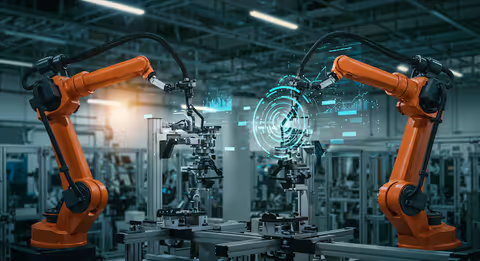
Automation has also become a major focus in pipe forming applications. Many modern systems support semi-automatic or fully automated bending sequences, reducing manual intervention during repetitive production tasks. Robotic material handling systems are increasingly paired with hydraulic forming equipment to improve operational flow and reduce handling errors.
Software evolution has contributed to more accurate forming operations as well. Simulation platforms now allow operators to model bending angles, material behavior, and forming sequences before production begins. This supports better planning and reduced material waste.
Many organizations globally are also prioritizing energy-efficient hydraulic systems. Improved pump designs, variable-speed drives, and optimized pressure management technologies help reduce energy consumption while maintaining performance stability.
Another notable trend involves flexible manufacturing systems capable of handling different pipe materials and dimensions with minimal reconfiguration. This flexibility is becoming increasingly important in industries that require adaptable production environments and shorter project timelines.
Comparison of hydraulic pipe bending machine features
Different hydraulic pipe bending systems vary in performance, automation capability, and operational flexibility. The table below compares practical industrial considerations commonly evaluated during equipment selection.
| Comparison factor | Basic hydraulic systems | Advanced hydraulic systems |
|---|---|---|
| Efficiency | Moderate production speed | High production efficiency |
| Automation | Limited automation | Integrated automation support |
| Scalability | Suitable for smaller workflows | Supports large-scale operations |
| Maintenance | Manual inspection focus | Predictive monitoring capability |
| Flexibility | Limited pipe variation handling | Multi-material adaptability |
| Speed | Slower cycle times | Faster automated cycles |
| Reliability | Consistent with basic controls | Enhanced stability and precision |
| Energy use | Standard hydraulic consumption | Optimized energy management |
| Integration capability | Minimal software integration | Compatible with industrial platforms |
| Accuracy | Acceptable for standard tasks | High precision forming |
| Operator involvement | Higher manual adjustments | Reduced manual intervention |
| Data tracking | Limited production analytics | Real-time performance monitoring |
Basic hydraulic pipe bending systems remain useful for moderate production environments and smaller fabrication operations. They provide reliable forming capability while maintaining relatively straightforward operation and maintenance requirements.
Advanced systems are increasingly preferred in larger industrial environments because they support automation, digital monitoring, and scalable manufacturing workflows. These features help organizations improve consistency, operational planning, and long-term efficiency.
Regulations and practical guidance
Hydraulic pipe bending operations typically follow international industrial safety expectations and engineering standards designed to support workplace safety, equipment reliability, and production consistency. Many industries use operational guidelines covering hydraulic pressure control, material handling procedures, protective guarding systems, and equipment inspection practices.
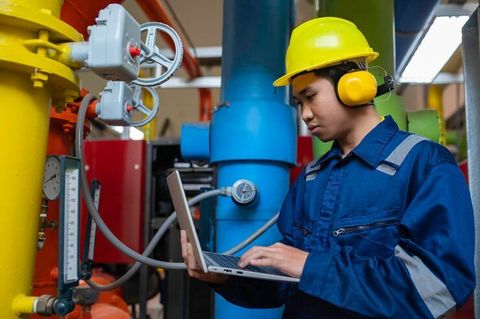
Safety remains one of the most important considerations during pipe forming operations. Operators generally require training related to hydraulic system pressure, tooling setup, emergency shutdown procedures, and material positioning. Regular inspection of hydraulic hoses, clamps, dies, and moving components helps reduce operational risks.
Environmental concerns are also increasingly relevant in industrial forming environments. Many organizations focus on reducing hydraulic fluid leakage, optimizing energy consumption, and improving equipment efficiency to support sustainability objectives. Proper disposal and handling of industrial fluids are commonly included in operational best practices.
Compliance considerations often involve documentation, maintenance records, calibration procedures, and production quality verification. Accurate record management helps organizations maintain operational consistency and support quality assurance requirements.
Industrial best practices usually include selecting the correct bending radius, evaluating material characteristics before forming, and using appropriate tooling for specific pipe dimensions. Improper tooling selection may lead to structural damage or inconsistent bending results.
Which option suits different situations?
Small operations often benefit from compact hydraulic bending systems with straightforward controls and moderate automation features. These setups may support lower production volumes while maintaining reliable forming accuracy.
Large-scale industrial systems generally require advanced automation, digital monitoring platforms, and integrated workflow management capabilities. These features help support continuous production environments and complex manufacturing schedules.
Beginners may prefer systems with simplified interfaces, programmable presets, and built-in safety controls. These features help reduce setup complexity and support consistent learning outcomes.
Experienced professionals often prioritize scalability, software integration, predictive maintenance capability, and multi-material compatibility when evaluating advanced hydraulic forming solutions.
Growing organizations may choose modular systems that allow future upgrades without replacing the entire production setup. This approach supports long-term operational flexibility and evolving manufacturing requirements.
Tools and resources
Several tools and resources help improve hydraulic pipe bending operations and industrial forming analysis.
CAD software — Assists with pipe layout design, dimensional planning, and bending simulations.
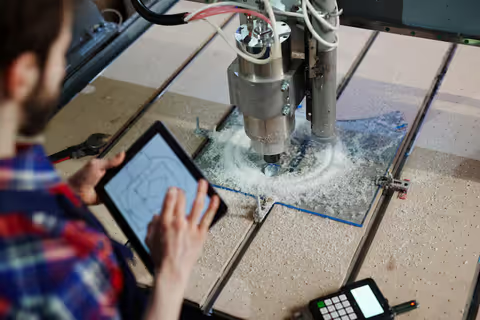
CNC control systems — Supports automated bending sequences and programmable machine control.
Hydraulic pressure monitoring systems — Tracks operational stability and pressure consistency.
Production analytics platforms — Helps evaluate efficiency, downtime, and workflow performance.
Maintenance management software — Organizes inspection schedules and service records.
Material compatibility databases — Provides guidance on pipe properties and forming limitations.
Industrial safety training resources — Supports operator education and workplace safety practices.
Frequently asked questions
What is a hydraulic pipe bending machine?
A hydraulic pipe bending machine is industrial equipment that uses hydraulic force to bend pipes or tubes into specific shapes and angles. The system applies controlled pressure to reduce deformation and maintain dimensional accuracy. These machines are commonly used in manufacturing, fabrication, transportation systems, and industrial infrastructure projects where consistent pipe forming is required.
How is hydraulic bending different from manual pipe bending?
Hydraulic bending uses powered pressure systems to create more accurate and repeatable bends compared to manual methods. Manual bending may require greater physical effort and can increase the risk of inconsistent angles or material damage. Hydraulic systems generally provide better control, improved efficiency, and higher precision for industrial-scale applications involving larger or thicker materials.
What materials can hydraulic pipe bending machines handle?
Many hydraulic pipe bending systems can process materials such as steel, stainless steel, aluminum, copper, and alloy tubing. The exact capability depends on machine design, hydraulic pressure range, tooling configuration, and material thickness. Proper material evaluation is important because different metals respond differently to bending force, radius requirements, and operational temperatures during forming processes.
Are automated pipe bending systems becoming more common?
Yes, automation has become increasingly common in industrial pipe forming environments. Many organizations globally are implementing programmable controls, robotic handling systems, and digital monitoring platforms to improve efficiency and consistency. Automated systems can reduce manual adjustments, support repeatable production cycles, and integrate with broader industrial workflow management software for operational planning and analytics.
What factors should organizations consider before selecting a machine?
Organizations typically evaluate pipe dimensions, production volume, material compatibility, automation needs, maintenance requirements, and integration capability before selecting a hydraulic bending system. Energy efficiency, operator training requirements, and future scalability are also important considerations. Careful evaluation helps ensure the selected equipment aligns with operational goals and long-term manufacturing requirements.
Conclusion
Hydraulic pipe bending machines play an important role in modern industrial pipe forming by supporting precision, consistency, and operational efficiency. These systems help industries manage complex bending requirements while reducing material deformation and improving workflow reliability. Advancements in automation, digital monitoring, and predictive maintenance technologies continue shaping how industrial forming operations are managed globally.
Organizations evaluating hydraulic pipe forming solutions should focus on practical operational requirements rather than short-term trends. Factors such as scalability, material compatibility, integration capability, maintenance planning, and energy efficiency all contribute to long-term system performance. Balanced evaluation helps businesses and professionals select equipment suited to their production environments and operational objectives.
Looking ahead, global industrial trends suggest continued growth in automated forming systems, smart manufacturing integration, and energy-conscious hydraulic technologies. Flexible production systems and advanced analytics platforms are also expected to become increasingly important as industries pursue higher efficiency and adaptable manufacturing processes.