Helpful Water Filtration Suggestions for Safe Water
Clean water plays an important role in daily life, health, and industrial activities. As concerns about water quality continue to grow, many households and organizations are exploring practical ways to improve water safety. From simple filtration devices to advanced water purification systems, there are many approaches that help reduce impurities and support healthier water usage.
Modern water filtration methods are designed to remove contaminants such as sediment, chlorine, heavy metals, bacteria, and unwanted odors. Choosing the right filtration method depends on water source, usage level, and long-term maintenance goals. Understanding the available options can help individuals and organizations make informed decisions for safer water management.
Understanding Water Filtration and Its Importance
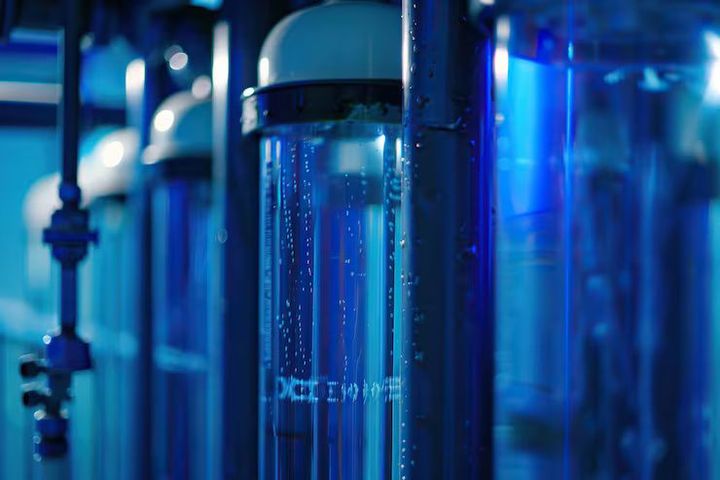
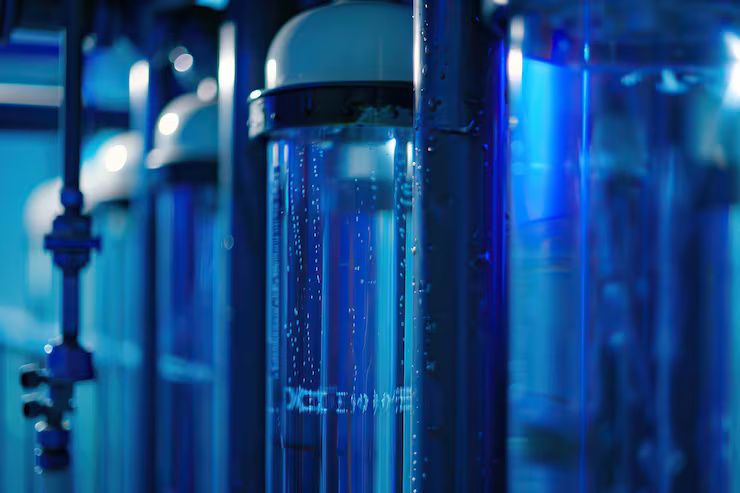
Water filtration refers to the process of removing unwanted particles, chemicals, and microorganisms from water. Filtration systems are commonly used in homes, offices, factories, healthcare facilities, educational institutions, and hospitality environments.
Safe water contributes to:
- Better drinking water quality
- Reduced exposure to contaminants
- Improved taste and odor
- Protection for plumbing systems
- Support for industrial processes
Many regions experience issues related to hard water, sediment buildup, and environmental pollution. In these situations, reliable water filtration becomes increasingly valuable.
Common Types of Water Filtration Systems
Different filtration systems are designed for specific purposes. Some focus on household use, while others support industrial or commercial requirements.
| Filtration Type | Main Purpose | Common Usage |
|---|---|---|
| Activated Carbon Filters | Reduce chlorine and odor | Homes and offices |
| Reverse Osmosis Systems | Remove dissolved impurities | Drinking water |
| UV Purification | Neutralize microorganisms | Healthcare and hospitality |
| Sediment Filters | Capture dirt and particles | Residential and industrial |
| Ceramic Filters | Filter bacteria and sediment | Rural and emergency use |
| Multi-Stage Systems | Combine several filtration methods | Commercial applications |
Selecting the appropriate system depends on water quality reports, consumption volume, and maintenance preferences.
Whole House Water Filtration for Everyday Use
Whole house water filtration systems are designed to filter water at the entry point of a property. This means all taps, showers, and appliances receive filtered water throughout the building.
These systems are useful for families that want consistent water quality for bathing, cooking, cleaning, and laundry. They can also help reduce mineral buildup inside pipes and household appliances.
Benefits of Whole House Water Filtration
Whole house systems may support:
- Cleaner water across all fixtures
- Lower sediment accumulation
- Better appliance efficiency
- Improved water clarity
- Reduced chlorine smell
Some systems combine carbon filtration with sediment filters to improve overall performance. Larger homes often use multi-stage setups for more effective filtration.
Maintenance Suggestions for Residential Systems
Routine maintenance is important for stable filtration performance. Helpful maintenance practices include:
- Replacing filters according to manufacturer guidelines
- Monitoring water pressure changes
- Cleaning filter housings regularly
- Checking for leaks or corrosion
- Testing water quality periodically
Proper maintenance helps extend the life of the filtration equipment and supports consistent water safety.
Industrial Water Filtration for Large-Scale Operations
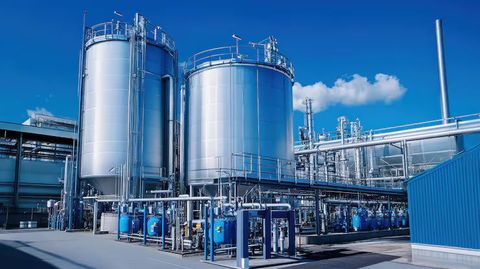
Industrial water filtration is commonly used in manufacturing facilities, food processing plants, laboratories, and energy production environments. These systems help maintain operational efficiency while supporting water quality standards.
Industrial processes often require high volumes of clean water. Contaminants such as sediment, chemicals, oils, and microorganisms can interfere with machinery and production systems.
Industries frequently use:
- Membrane filtration systems
- Sand filtration units
- Chemical treatment systems
- Reverse osmosis technology
- Ultraviolet purification systems
Industrial water filtration solutions are usually customized according to production requirements and local water conditions.
Commercial Water Filtration Systems in Business Environments
Commercial water filtration systems are widely used in restaurants, hotels, educational institutions, offices, and healthcare facilities. These systems help maintain water quality for employees, visitors, and operational activities.
Businesses often require filtration systems that can manage higher daily usage compared to residential systems. Reliable filtration may also support beverage preparation, sanitation, and equipment protection.
Features Commonly Found in Commercial Systems
Commercial filtration systems often include:
- High-capacity filter cartridges
- Multi-stage purification
- Automatic monitoring controls
- Large storage tanks
- Scalable filtration designs
Choosing the right system depends on water demand, building size, and filtration goals.
Helpful Suggestions for Businesses
Businesses can improve water management by following these practices:
- Conduct regular water quality testing
- Use certified filtration components
- Schedule preventive maintenance
- Monitor system efficiency
- Train maintenance staff on filtration procedures
These steps may help improve long-term filtration performance and operational reliability.
Advanced Water Purification Systems and Modern Technology
Advanced water purification systems combine multiple technologies to improve filtration accuracy and efficiency. These systems are increasingly used in areas where water quality concerns are more complex.
Modern purification technologies may include:
- Reverse osmosis membranes
- UV sterilization
- Nanofiltration
- Ion exchange systems
- Smart digital monitoring
Some advanced systems can track filter performance in real time and notify users when maintenance is required. This helps reduce downtime and supports more efficient operation.
Smart monitoring technology is becoming more common in both residential and industrial water filtration systems. Sensors can detect pressure changes, water flow rates, and filter replacement needs.
Choosing the Right Water Filtration Solution
Selecting a filtration system requires careful evaluation of water conditions and usage needs. A system that works well for a small household may not be suitable for commercial or industrial applications.
Important factors to consider include:
| Factor | Why It Matters |
|---|---|
| Water Source | Groundwater and municipal water have different contaminants |
| Daily Usage | Larger usage requires higher-capacity systems |
| Filtration Goals | Sediment removal differs from microbial purification |
| Maintenance Needs | Some systems require more frequent servicing |
| Space Availability | Larger systems need additional installation space |
Understanding these factors can help users identify practical and efficient filtration solutions.
Water Filtration for Businesses and Long-Term Efficiency
Water filtration for businesses is becoming increasingly important across many industries. Clean water supports operational consistency, workplace hygiene, and equipment protection.
Industries such as hospitality, healthcare, manufacturing, and education often depend on stable water quality to support daily activities. Poor water quality may contribute to scaling, corrosion, and equipment wear over time.
Organizations that use commercial water filtration systems often focus on:
- Long-term operational efficiency
- Improved water consistency
- Reduced equipment maintenance
- Better environmental management
- Enhanced workplace standards
Businesses may also integrate filtration systems into sustainability initiatives by improving water usage efficiency and reducing waste.
Environmental Benefits of Modern Water Filtration
Modern water filtration systems can support environmental awareness by helping reduce dependence on disposable plastic bottles and inefficient water practices.
Some environmental advantages include:
- Reduced plastic waste
- Improved water conservation
- Better wastewater management
- Support for sustainable operations
Many advanced water purification systems are also designed to improve energy efficiency and minimize water loss during filtration.
As environmental concerns continue to grow, efficient water filtration technologies may play a larger role in sustainable infrastructure planning.
Signs That Water Filtration May Be Needed
Certain water quality issues can indicate the need for filtration improvements. Common signs include:
- Unpleasant taste or odor
- Cloudy or discolored water
- Visible sediment
- Staining on fixtures
- Dry skin after bathing
- Mineral buildup on appliances
Water testing can help identify specific contaminants and determine which filtration method may be most appropriate.
Future Trends in Water Filtration Technology
Water filtration technology continues to evolve as industries and households seek more reliable and efficient purification methods.
Emerging trends include:
- AI-assisted monitoring systems
- Compact high-capacity filtration units
- Eco-friendly filter materials
- Improved membrane technology
- Smart automation controls
Research in advanced water purification systems is also focused on improving contaminant removal while reducing energy consumption and maintenance requirements.
As technology develops, filtration systems are expected to become more efficient, adaptable, and environmentally responsible.
Conclusion
Water quality remains an important concern for homes, industries, and businesses worldwide. Effective water filtration systems can help improve water clarity, reduce contaminants, and support healthier daily use.
Whether using whole house water filtration, industrial water filtration, or commercial water filtration systems, understanding filtration options is essential for selecting the most suitable solution. Advanced water purification systems continue to improve filtration efficiency through modern technology and smart monitoring features.
By evaluating water quality, maintenance needs, and usage goals, individuals and organizations can make informed decisions that support safer and more reliable water management for the future.