Table of Contents

Electric Vehicle Insurance Guide (2026)

Electric Vehicle Insurance Guide (2026)

Electric vehicle insurance refers to coverage designed for battery-powered vehicles, including electric sedans, SUVs, hatchbacks, and commercial electric fleets. While the overall structure is similar to traditional vehicle insurance, EV insurance includes additional considerations related to battery systems, charging equipment, software-driven components, and specialized repair processes.

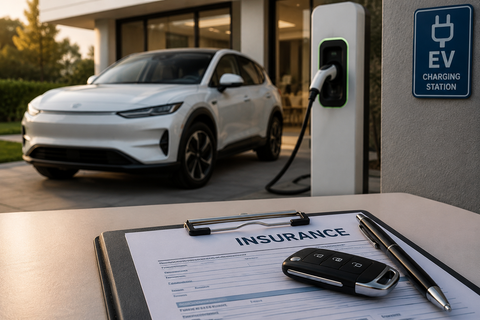
The rapid growth of electric mobility has changed how insurers evaluate risk and vehicle protection. Modern electric vehicles contain advanced electronics, driver-assistance systems, lithium-ion battery packs, connected software, and high-voltage systems that require trained technicians and specialized repair environments.

Over the past few years, EV adoption has accelerated across markets such as the United States, Europe, China, and India. Governments have encouraged electric mobility through incentives, charging infrastructure expansion, and emission-reduction targets. As more drivers transition from internal combustion vehicles to electric transportation, the insurance industry has adjusted its underwriting models to address new patterns of vehicle usage and repair.

Electric vehicle insurance exists because EV ownership introduces several factors that differ from conventional automobiles:

  • Battery-related repair complexity
  • Software calibration requirements
  • Advanced safety technology
  • Charging infrastructure considerations
  • Higher replacement value for certain components
  • Different accident repair procedures

Insurance providers now evaluate electric vehicles based on battery architecture, model-specific repair history, autonomous driving features, theft risk, and availability of certified repair networks.

Why Electric Vehicle Insurance Matters in 2026

Electric vehicle insurance has become increasingly important because EV ownership is no longer limited to early adopters or premium buyers. Mainstream adoption has expanded into family vehicles, commercial transportation, ride-sharing fleets, and urban mobility services.

Many drivers are discovering that insurance considerations can significantly influence long-term EV ownership experiences. Battery-related repairs, electronic component calibration, and sensor replacement often require specialized facilities. As a result, insurance policies play an important role in helping vehicle owners manage financial uncertainty associated with accidents or component damage.

The topic matters today for several reasons:

Key AreaWhy It Matters
Battery systemsHigh-value component requiring specialized handling
Repair proceduresEVs often require certified technicians
Connected softwareAdvanced electronics influence claim evaluation
Charging equipmentHome charging installations create additional considerations
Fleet electrificationCommercial EV usage continues expanding globally

Electric vehicle insurance affects several groups:

  • Individual EV owners
  • Commercial fleet operators
  • Ride-sharing drivers
  • Delivery service providers
  • Leasing companies
  • Financial institutions
  • Automotive repair networks

One of the biggest concerns among EV owners involves battery protection. Battery packs represent a substantial portion of the vehicle’s overall value. Although battery failures remain relatively uncommon in newer electric vehicles, battery-related incidents can involve complex diagnostics and specialized repair procedures.

Another important issue is repair turnaround time. Traditional repair shops may not always have the equipment or certification required for high-voltage electric vehicles. This can affect claim processing timelines and repair availability.

Electric vehicle insurance also helps address uncertainty around newer automotive technologies such as:

  • Autonomous driving systems
  • Advanced driver assistance systems (ADAS)
  • Over-the-air software updates
  • Regenerative braking systems
  • Smart charging integration

As EV adoption grows, insurance models continue evolving to reflect real-world usage patterns and repair data.

Recent Trends and Developments in Electric Vehicle Insurance

The electric vehicle insurance industry experienced several notable developments during 2025 and early 2026.

One major trend involved the increasing use of telematics and connected vehicle data. Insurers expanded usage-based models that evaluate driving behavior, charging habits, mileage patterns, and vehicle diagnostics to better assess risk.

Several automotive manufacturers also strengthened direct insurance partnerships. In the United States, EV-focused insurance programs linked to connected vehicle ecosystems continued expanding throughout 2025.

Another important trend involved battery lifecycle analysis. Insurers increasingly incorporated battery health monitoring into claim assessment and underwriting processes.

Recent developments include:

  • Expansion of EV-certified repair centers during 2025
  • Increased focus on battery fire risk evaluation
  • Growth of commercial EV fleet insurance programs
  • Integration of AI-assisted claim assessment systems
  • Wider adoption of usage-based insurance technology

The global EV insurance market also experienced changes due to rising electric SUV adoption. Larger battery packs and higher vehicle values influenced premium calculations across multiple regions.

According to industry reports published in late 2025, insurers in North America and Europe began refining actuarial models using real-world EV repair data instead of relying on early-stage assumptions from initial electric vehicle deployments.

The growing availability of EV repair data has helped insurers better understand:

  • Collision repair frequency
  • Battery degradation patterns
  • Software calibration requirements
  • Parts replacement timelines
  • Vehicle downtime during repairs

The table below summarizes some major EV insurance trends observed recently.

TrendIndustry Impact
Connected vehicle analyticsMore personalized risk evaluation
EV-certified repair expansionImproved repair network availability
Battery monitoring integrationBetter claim accuracy
Commercial fleet electrificationGrowth in enterprise insurance products
AI-assisted claimsFaster digital claim workflows

In several countries, insurers also adjusted underwriting approaches to account for climate-related risks affecting EV charging infrastructure and battery performance.

Government Policies and Regulatory Influence

Electric vehicle insurance is influenced by transportation regulations, road safety laws, emissions policies, and consumer protection frameworks.

Governments in multiple regions have introduced programs supporting electric mobility adoption. These programs indirectly affect insurance markets by increasing the number of EVs on public roads and encouraging investment in charging infrastructure.

In the United States, EV-related regulations continue evolving through state-level transportation initiatives and federal clean-energy programs. Several states also encourage insurers to adopt usage-based insurance systems that reward safer driving behavior and lower annual mileage.

In the European Union, sustainability regulations and emissions targets accelerated EV adoption during 2025. As a result, insurers expanded specialized electric vehicle underwriting programs across major European markets.

India also continued strengthening electric mobility initiatives under FAME-related programs and state EV policies. Increased EV penetration has encouraged insurers to develop dedicated electric vehicle policy frameworks addressing battery protection and electronic systems.

Common regulatory areas influencing EV insurance include:

  • Vehicle safety compliance
  • Battery transportation standards
  • Data privacy laws for connected vehicles
  • Charging infrastructure standards
  • Environmental regulations
  • Autonomous driving legislation

Data privacy regulations have become particularly important because connected EVs generate large volumes of driving and diagnostic information. Insurers using telematics systems must comply with privacy and data protection rules in applicable jurisdictions.

Battery disposal and recycling regulations also affect insurance claim handling. Damaged lithium-ion batteries often require controlled transportation and environmentally compliant disposal procedures.

Governments are additionally reviewing autonomous driving frameworks, which may influence future insurance liability structures as advanced self-driving systems become more widespread.

Helpful Tools and Resources for EV Insurance Research

Electric vehicle owners often use digital tools and comparison resources to better understand vehicle protection options and EV ownership considerations.

Several categories of tools are commonly used in EV insurance research.

Tool TypePurpose
EV insurance comparison platformsCompare policy features
Battery health monitoring appsTrack battery condition
EV ownership calculatorsEstimate long-term usage patterns
Charging station appsLocate compatible charging networks
Vehicle safety databasesReview crash safety ratings
Repair network directoriesFind certified EV repair centers

Useful EV-related resources may include:

  • Government EV policy portals
  • Transportation safety databases
  • Battery warranty documentation
  • EV charging network maps
  • Automotive recall databases
  • Vehicle telematics dashboards

Popular EV charging network applications help drivers identify charger compatibility, route planning, and charging availability. These tools indirectly influence insurance risk by supporting safer long-distance EV usage.

Battery health monitoring systems have also become increasingly common in 2026. These applications help vehicle owners track charging behavior, battery efficiency, and system diagnostics over time.

Several automakers now provide integrated mobile applications featuring:

  • Charging session history
  • Battery performance insights
  • Remote diagnostics
  • Vehicle location tracking
  • Software update notifications

Digital claim management tools are another growing area within EV insurance ecosystems. Many insurers now support app-based claim submissions, photo-based damage analysis, and AI-assisted inspection workflows.

Frequently Asked Questions

Does electric vehicle insurance differ from regular car insurance?

Yes. Electric vehicle insurance often includes additional considerations related to battery systems, charging equipment, software calibration, and specialized repairs. However, the core structure remains similar to traditional vehicle insurance.

Why do some electric vehicles have different insurance rates?

Insurance evaluation may vary based on battery size, repair complexity, safety systems, theft risk, repair network availability, and vehicle value. Advanced driver-assistance technology can also influence underwriting models.

Are EV batteries usually included in vehicle protection policies?

Battery coverage depends on the policy structure and manufacturer warranty terms. Many modern electric vehicles also include separate battery warranty programs from the manufacturer.

How do connected vehicle systems affect insurance?

Connected systems can provide driving data, vehicle diagnostics, and safety information. Some insurers use telematics programs to evaluate driving behavior and vehicle usage patterns.

Are commercial electric vehicles insured differently?

Commercial EV fleets often require specialized underwriting due to operational factors such as fleet size, mileage patterns, charging infrastructure usage, and commercial transportation risk exposure.

Conclusion

Electric vehicle insurance has become an increasingly important part of modern transportation systems. As electric mobility expands globally, insurers, regulators, repair networks, and vehicle manufacturers continue adapting to the unique characteristics of battery-powered transportation.

The evolution of EV insurance reflects broader changes occurring across the automotive industry, including connected vehicle technology, advanced software integration, battery innovation, and autonomous driving development.

In 2026, electric vehicle owners are navigating a rapidly maturing ecosystem that includes specialized repair networks, digital claim systems, telematics-based underwriting, and evolving regulatory frameworks. Understanding how EV insurance works helps drivers make informed decisions regarding vehicle ownership, maintenance planning, and long-term transportation reliability.

As electric vehicles become more common across personal and commercial transportation sectors, insurance systems will likely continue evolving alongside advancements in battery technology, charging infrastructure, and connected mobility platforms.

author-image

Saurabh Chawla

We are a performance-driven media buying team focused on scaling brands through smart, data-backed advertising strategies

May 14, 2026 . 11 min read