Electric Vehicle Explanation of Battery and Charging Systems
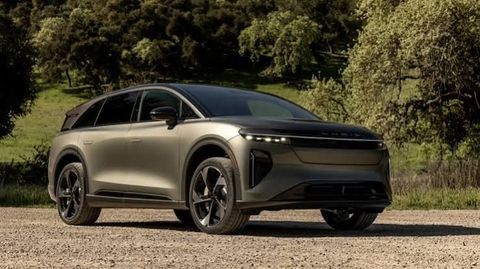
An electric vehicle, commonly called an EV, is a transportation vehicle powered fully or partially by electricity instead of traditional fossil fuels. Electric vehicles use rechargeable battery systems and electric motors to move efficiently while reducing tailpipe emissions.
The growing adoption of electric vehicles is changing the global transportation industry. Governments, technology companies, and automobile manufacturers are investing heavily in battery innovation, charging infrastructure, and clean mobility solutions. Electric vehicles are now used in personal transportation, public transit, logistics, and commercial fleets.
Unlike conventional vehicles that depend on internal combustion engines, EVs use stored electrical energy. This allows smoother acceleration, quieter operation, and lower environmental impact in many situations.
How Electric Vehicles Work
Electric vehicles operate through a combination of batteries, power electronics, electric motors, and charging systems. Electricity stored in the battery pack is transferred to the electric motor, which converts electrical energy into mechanical movement.
When the driver presses the accelerator, the controller manages energy flow from the battery to the motor. Many EVs also use regenerative braking systems that recover energy during braking and send it back to the battery.
The overall process is designed to maximize energy efficiency and reduce energy loss during operation.
| Component | Function |
|---|---|
| Battery Pack | Stores electrical energy |
| Electric Motor | Converts electricity into motion |
| Inverter | Changes direct current into alternating current |
| Charging Port | Connects the vehicle to charging stations |
| Controller | Regulates energy distribution |
| Regenerative Braking System | Recovers braking energy |
Types of Electric Vehicles
Battery Electric Vehicles
- Operate entirely on electricity
- Require external charging
- Produce no tailpipe emissions
- Commonly used for urban and highway travel
Hybrid Electric Vehicles
- Combine a gasoline engine with an electric motor
- Improve fuel efficiency
- Use regenerative braking technology
- Do not always require external charging
Plug-In Hybrid Electric Vehicles
- Include both charging capability and fuel-powered backup
- Can travel short distances using electricity alone
- Suitable for mixed driving conditions
Fuel Cell Electric Vehicles
- Use hydrogen fuel cells to generate electricity
- Produce water vapor as a byproduct
- Require specialized hydrogen infrastructure
Importance of Electric Vehicles
Electric vehicles are becoming important because transportation is one of the major contributors to greenhouse gas emissions worldwide. EV adoption supports cleaner transportation goals and helps reduce dependence on fossil fuels.
Many cities are promoting electric mobility to improve urban air quality and reduce noise pollution. Electric public buses, delivery vans, and shared mobility platforms are increasingly part of smart city initiatives.
Electric vehicles also contribute to technological advancement in areas such as:
Battery Innovation
- Higher energy density batteries
- Faster charging capability
- Improved battery lifespan
- Safer thermal management systems
Smart Transportation
- Connected vehicle systems
- AI-powered route optimization
- Vehicle-to-grid communication
- Real-time energy monitoring
Sustainable Infrastructure
- Renewable energy integration
- Solar-powered charging stations
- Smart charging networks
- Energy-efficient transportation planning
Real-World Applications
Electric vehicles are used in many industries and transportation sectors.
Personal Transportation
- Daily commuting
- Family transportation
- Urban mobility solutions
- Long-distance travel
Public Transportation
- Electric buses
- Metro feeder systems
- Airport transportation vehicles
- Shared mobility fleets
Commercial Logistics
- Last-mile delivery vehicles
- Warehouse transportation
- Fleet management systems
- Urban cargo transport
Industrial and Specialized Use
- Mining vehicles
- Agricultural machinery
- Construction equipment
- Port transportation systems
Problems Electric Vehicles Help Solve
Electric vehicles are designed to address several environmental and operational challenges associated with traditional transportation systems.
Reduced Air Pollution
- Lower carbon emissions
- Fewer harmful exhaust gases
- Improved urban air quality
Lower Noise Pollution
- Quieter motor systems
- Reduced traffic noise in cities
- Better energy conversion compared to combustion engines
- Regenerative braking recovery
Reduced Dependence on Fossil Fuels
- Supports renewable energy integration
- Encourages diversified energy systems
Charging Infrastructure and EV Charging Systems
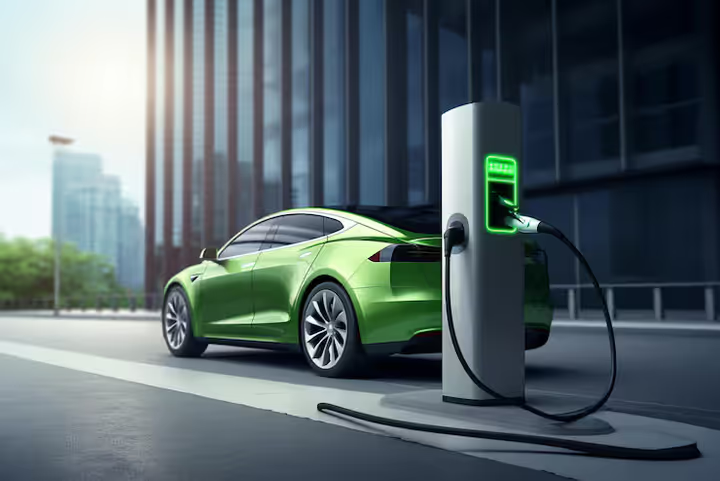
Charging infrastructure plays a critical role in EV adoption. Different charging methods support different usage patterns.
Level 1 Charging
- Uses standard household electrical outlets
- Slower charging speed
- Suitable for overnight charging
Level 2 Charging
- Faster than standard charging
- Common in homes and public locations
- Frequently used in workplaces and parking facilities
DC Fast Charging
- High-speed charging technology
- Suitable for highways and long-distance travel
- Reduces charging time significantly
Smart charging systems can optimize charging based on electricity demand, renewable energy availability, and battery health.
Recent Trends and Developments
The electric vehicle industry has experienced major advancements during 2025 and 2026.
Battery Technology Advancements
- Solid-state battery research expanded in 2025
- Improved thermal safety systems introduced by multiple manufacturers
- Faster charging battery prototypes demonstrated in 2026
Expansion of Charging Networks
- Several countries increased fast-charging corridor development during 2025
- Urban charging infrastructure expanded in Asia, Europe, and North America
- AI-assisted energy management systems became more common in 2025
- Over-the-air software updates improved vehicle performance and security
Commercial Fleet Electrification
- Logistics companies increased electric fleet deployment in 2025
- Electric delivery vans and buses became more common in metropolitan regions
- Battery recycling investments expanded significantly in 2025
- Research into second-life battery applications continued growing
Laws, Policies, and Regulations
Many governments have introduced policies to support electric mobility and reduce emissions.
Emission Regulations
- Stricter emission targets for vehicle manufacturers
- Urban low-emission transportation policies
- Public charging network expansion programs
- Smart grid integration standards
Battery Recycling Regulations
- Safe disposal requirements
- Recycling targets for lithium-ion batteries
- Environmental compliance standards
Vehicle Safety Standards
- Battery safety certifications
- Electrical system testing regulations
- Cybersecurity requirements for connected vehicles
Countries including India, China, the United States, Germany, and Norway continue updating EV-related transportation frameworks.
Useful Tools, Platforms, and Learning Resources
Several platforms and educational resources help users understand EV technology and infrastructure.
Learning Platforms
- Online EV engineering courses
- Sustainable transportation training programs
- Automotive technology certifications
EV Mapping Tools
- Charging station locator platforms
- Route planning applications
- Battery range monitoring systems
Technical Resources
- Battery management system documentation
- EV safety standards publications
- Smart mobility research reports
Industry Organizations
- International Energy Agency reports
- Automotive engineering associations
- Clean transportation research institutions
Common Challenges Facing Electric Vehicles
Although EV technology continues to improve, some challenges remain.
Charging Accessibility
- Rural charging infrastructure remains limited in some regions
- Fast charging availability varies by country
- Demand for lithium, nickel, and rare materials continues growing
- Sustainable sourcing remains important
Grid Capacity
- Increased electricity demand requires stronger energy infrastructure
- Smart grid modernization is essential
- Extreme temperatures can affect battery efficiency
- Thermal management systems continue improving
Future of Electric Vehicles
Electric vehicles are expected to become more integrated with renewable energy systems, autonomous driving technology, and smart transportation networks.
Future developments may include:
Advanced Battery Systems
- Higher energy storage capacity
- Ultra-fast charging capability
- Longer operational lifespan
Vehicle-to-Grid Integration
- EVs supporting energy grids during peak demand
- Smart energy exchange systems
Autonomous Mobility
- Self-driving electric transportation
- AI-supported traffic optimization
Sustainable Manufacturing
- Recycled battery materials
- Low-emission production facilities
- Circular economy approaches
FAQs
What is the difference between an electric vehicle and a hybrid vehicle?
An electric vehicle relies mainly on electricity and rechargeable batteries, while a hybrid vehicle combines a fuel-powered engine with an electric motor.
How long does an electric vehicle battery last?
Most modern EV batteries are designed to operate for many years, often supported by long-term manufacturer warranties and battery management systems.
Are electric vehicles environmentally friendly?
Electric vehicles generally reduce tailpipe emissions and improve urban air quality, especially when charged using renewable energy sources.
What is regenerative braking in electric vehicles?
Regenerative braking captures energy during braking and sends it back to the battery to improve overall efficiency.
Why is charging infrastructure important for EV adoption?
Reliable charging networks help support long-distance travel, reduce charging concerns, and improve accessibility for EV users.
Conclusion
Electric vehicles are transforming transportation through cleaner energy use, advanced battery systems, and intelligent mobility technology. Their growing role in personal transportation, commercial logistics, and public transit highlights the shift toward more sustainable transportation systems.
As charging infrastructure expands and battery innovation continues, electric vehicles are expected to become increasingly practical and efficient for global mobility. Continued improvements in energy storage, software integration, and environmental policies will likely shape the next generation of electric transportation solutions.