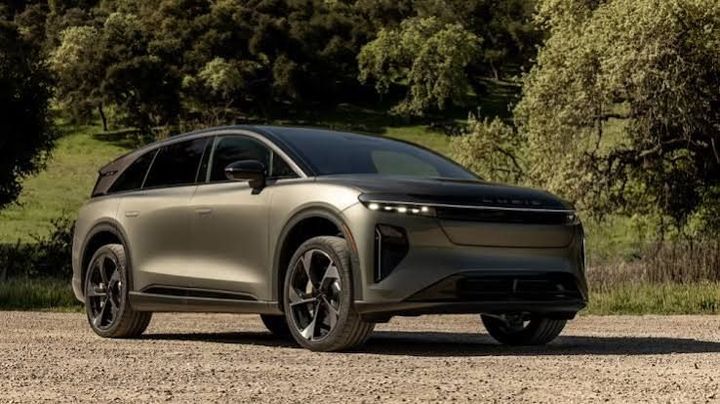
Lucid Motors: An Overview of Electric Vehicle Innovation and Technology
Lucid Motors is an American electric vehicle manufacturer focused on developing premium electric cars and advanced energy technologies. The company aims to improve transportation through efficient battery systems, innovative vehicle engineering, and sustainable mobility solutions.
Founded in 2007, Lucid Motors initially concentrated on battery technology before expanding into electric vehicle development. The company is widely recognized for producing high-performance electric vehicles that combine long driving range, advanced software systems, and modern design.
As the global automotive industry transitions toward electrification, Lucid Motors has emerged as an important participant in the electric mobility ecosystem.
How Lucid Motors Is Structured
Lucid Motors operates through several interconnected areas that contribute to vehicle development and production.
Key Components
- Vehicle engineering and design
- Battery technology development
- Electric powertrain systems
- Software and digital platforms
- Manufacturing operations
- Energy efficiency research
- Sustainability initiatives
- Vehicle safety and testing
The company integrates these components to create electric vehicles designed for efficiency, performance, and user experience.
Core Technologies Behind Lucid Motors
Electric vehicles require sophisticated technology to maximize performance while maintaining efficiency. Lucid Motors focuses heavily on several technological areas.
Battery Systems
- High-energy-density battery packs
- Thermal management systems
- Fast-charging capabilities
- Long-range optimization
- Battery efficiency improvements
Battery technology is one of the most important factors influencing electric vehicle performance. Advanced battery systems help extend driving range while reducing energy consumption.
Electric Powertrains
- Compact motor architecture
- High-efficiency energy conversion
- Reduced mechanical complexity
- Enhanced acceleration performance
- Improved energy utilization
Electric powertrains convert electrical energy into motion with greater efficiency than traditional internal combustion engines.
Software Integration
- Vehicle monitoring systems
- Over-the-air software updates
- Driver assistance technologies
- Digital cockpit interfaces
- Connected vehicle functionality
Software has become a critical component of modern vehicles, enabling continuous improvements after production.
Major Lucid Motors Vehicle Characteristics
Lucid Motors focuses on combining luxury, technology, and efficiency.
| Feature Area | Purpose | Benefits |
|---|---|---|
| Battery Technology | Energy storage and management | Extended driving range |
| Electric Powertrain | Vehicle propulsion | High efficiency and performance |
| Aerodynamic Design | Reduce air resistance | Improved energy conservation |
| Software Systems | Vehicle control and updates | Enhanced user experience |
| Driver Assistance Features | Safety and navigation support | Increased driving confidence |
| Fast Charging Technology | Rapid energy replenishment | Reduced charging downtime |
| Sustainable Materials | Environmental responsibility | Lower environmental impact |
Why Lucid Motors Is Important
Electric vehicles are becoming increasingly important due to environmental concerns, energy efficiency requirements, and technological advancements.
Lucid Motors contributes to this transition by demonstrating how advanced engineering can improve electric vehicle capabilities.
Key Benefits
- Supports transportation electrification
- Encourages battery innovation
- Improves vehicle energy efficiency
- Advances automotive software development
- Promotes sustainable mobility
- Expands consumer EV choices
The company also contributes to broader industry competition, which often accelerates innovation across the automotive sector.
Real-World Applications
The technologies developed by Lucid Motors extend beyond individual vehicle ownership.
Transportation Applications
- Personal mobility
- Corporate transportation fleets
- Executive transportation solutions
- Sustainable urban transportation
- Long-distance electric travel
Technology Applications
- Battery research
- Energy storage innovation
- Charging infrastructure development
- Vehicle software systems
- Smart mobility ecosystems
Many innovations developed for premium electric vehicles eventually influence broader automotive markets.
Challenges Lucid Motors Helps Address
Modern transportation faces several challenges related to sustainability, efficiency, and environmental impact.
Key Challenges
- Dependence on fossil fuels
- Transportation emissions
- Energy inefficiency
- Limited vehicle connectivity
- Range concerns in electric mobility
- Charging convenience requirements
By developing advanced battery and vehicle technologies, Lucid Motors helps address many of these issues while supporting the transition toward cleaner transportation.
Sustainability and Environmental Impact
Sustainability is a major focus within the electric vehicle industry.
Lucid Motors seeks to reduce environmental impact through efficient vehicle design and responsible manufacturing practices.
Sustainability Efforts
- Improved energy efficiency
- Reduced tailpipe emissions
- Battery innovation research
- Sustainable manufacturing initiatives
- Resource optimization strategies
- Renewable energy integration opportunities
While electric vehicles still require raw materials and energy resources, improvements in manufacturing and battery technology continue to enhance overall sustainability.
Recent Developments and Industry Trends (2025–2026)
The electric vehicle industry has experienced significant developments during the past year.
Notable Trends
- Continued improvements in battery efficiency
- Expansion of fast-charging infrastructure
- Greater software-defined vehicle capabilities
- Enhanced driver assistance technologies
- Increased focus on manufacturing scalability
- Growth of connected vehicle ecosystems
Recent Industry Developments
- 2025: Growing investment in next-generation battery technologies across the automotive sector.
- 2025: Increased emphasis on energy-efficient vehicle architectures.
- 2025–2026: Expansion of advanced driver assistance systems and software update capabilities.
- 2026: Continued development of sustainable manufacturing practices and supply chain optimization.
- 2026: Broader adoption of artificial intelligence within vehicle software platforms.
These developments reflect the industry's ongoing effort to improve performance, efficiency, and user experience.
Regulations and Policies Affecting Electric Vehicles
Electric vehicle manufacturers operate within a complex regulatory environment.
Important Regulatory Areas
- Vehicle safety standards
- Battery transportation regulations
- Emissions reduction policies
- Manufacturing compliance requirements
- Cybersecurity standards for connected vehicles
- Consumer protection regulations
Governments worldwide continue to introduce policies that encourage cleaner transportation technologies while maintaining safety and environmental standards.
Compliance Considerations
- Crash safety testing
- Battery safety certification
- Data privacy requirements
- Software security measures
- Environmental reporting standards
- Manufacturing quality controls
Compliance with these regulations is essential for maintaining vehicle safety and market access.
Useful Tools, Platforms, and Learning Resources
Individuals interested in electric vehicles and automotive technology can explore various educational resources.
Learning Resources
- Automotive engineering publications
- Electric vehicle technology courses
- Battery technology research papers
- Sustainable transportation reports
- Industry association publications
- Government transportation resources
Technology Platforms
- Battery simulation software
- Vehicle design platforms
- Engineering analysis tools
- Manufacturing optimization systems
- Energy management software
- Connected vehicle development environments
These resources help professionals and enthusiasts better understand the evolving electric mobility landscape.
Future Outlook
The future of electric mobility is expected to be shaped by continued technological advancements.
Lucid Motors and other electric vehicle manufacturers are likely to focus on:
Expected Areas of Development
- Higher battery energy density
- Faster charging technologies
- Improved autonomous capabilities
- Greater software integration
- Enhanced manufacturing efficiency
- Sustainable material innovation
- Expanded energy storage applications
These advancements could further improve vehicle efficiency, convenience, and environmental performance.
FAQ
What is Lucid Motors?
Lucid Motors is an electric vehicle manufacturer that develops premium electric cars, battery systems, and related mobility technologies focused on performance, efficiency, and innovation.
What makes Lucid Motors different from traditional automakers?
The company emphasizes electric vehicle engineering, advanced battery technology, software integration, and energy-efficient vehicle design rather than internal combustion engine platforms.
Does Lucid Motors develop its own battery technology?
Lucid Motors is known for extensive research and development in battery systems, powertrain technology, and energy management solutions that support vehicle performance and efficiency.
Why are electric vehicles important?
Electric vehicles can help reduce transportation emissions, improve energy efficiency, and support long-term sustainability goals while introducing advanced digital technologies.
What trends are shaping the future of Lucid Motors and the EV industry?
Key trends include battery innovation, software-defined vehicles, artificial intelligence integration, charging infrastructure expansion, and improvements in sustainable manufacturing.
Conclusion
Lucid Motors represents a significant participant in the modern electric vehicle industry, combining advanced battery technology, efficient powertrain systems, software integration, and sustainability-focused engineering. Its approach reflects broader trends shaping the future of transportation, including electrification, digital connectivity, and energy efficiency. As electric mobility continues to evolve, companies like Lucid Motors contribute to technological progress, industry innovation, and the ongoing transformation of the global automotive landscape.