Table of Contents

Electric Car Battery Coverage Explained: Informative Guide, Basics, Facts, and Helpful Resources

Electric Car Battery Coverage Explained: Informative Guide, Basics, Facts, and Helpful Resources

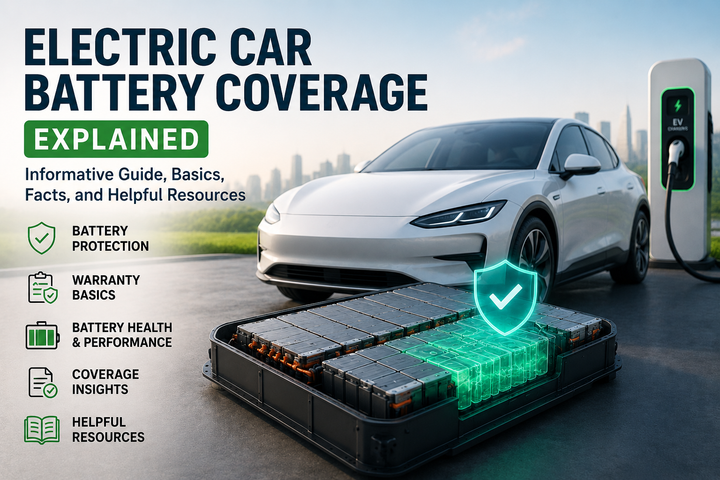
Electric car battery coverage refers to the protection framework associated with an electric vehicle’s battery system. In modern electric vehicles, the battery pack is one of the most technically advanced and valuable components. Because battery systems directly affect driving range, charging performance, and vehicle operation, manufacturers and insurers often provide specific forms of battery-related protection.

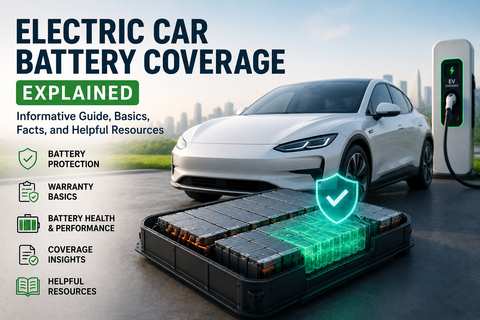
Unlike traditional fuel-powered vehicles, electric vehicles rely entirely or partially on high-voltage lithium-ion battery systems. These battery packs contain hundreds or even thousands of individual cells working together to power the electric drivetrain. Battery systems also include thermal management technology, charging control modules, sensors, and software systems.

Battery coverage exists because electric vehicle batteries experience gradual wear over time. Environmental conditions, charging habits, driving patterns, and battery chemistry can all influence long-term performance. Manufacturers introduced battery warranty programs to help address concerns related to battery degradation and system reliability.

In recent years, battery coverage has become a major discussion point within the electric mobility industry. Consumers often compare battery protection details before choosing an electric vehicle because battery health strongly affects range consistency and long-term usability.

Modern battery coverage frameworks typically focus on areas such as:

  • Battery capacity retention
  • Manufacturing defects
  • Electrical system failures
  • Thermal management issues
  • Charging system compatibility
  • High-voltage component reliability

Battery protection is particularly important because electric vehicle technology continues evolving rapidly. Improvements in battery chemistry, software management, and charging infrastructure have changed how manufacturers approach long-term reliability planning.

Why Electric Car Battery Coverage Matters Today

Battery coverage has become increasingly relevant as electric vehicles move into mainstream transportation markets. Millions of drivers worldwide now rely on battery-powered vehicles for daily commuting, long-distance travel, and commercial transportation.

One reason this topic matters is the growing public interest in battery lifespan and long-term electric vehicle performance. Many first-time EV owners want to understand how battery systems behave over several years of usage and what protections may apply if battery performance changes significantly.

Battery coverage affects multiple groups:

GroupWhy It Matters
Individual EV ownersLong-term vehicle reliability
Commercial fleet operatorsOperational continuity
Leasing companiesResidual value evaluation
Automotive repair networksBattery diagnostics and repairs
Financial institutionsVehicle asset assessment

Electric vehicle batteries are designed for long operational lifespans, but environmental factors can influence battery condition. High temperatures, repeated fast charging, and frequent deep discharge cycles may affect battery efficiency over time.

Battery protection programs help reduce uncertainty related to:

  • Capacity degradation
  • Software calibration issues
  • Charging irregularities
  • Manufacturing defects
  • High-voltage system performance

As electric SUVs and long-range EVs become more common, battery coverage discussions have expanded beyond early technology adopters. Mainstream consumers now regularly compare battery warranty terms alongside traditional vehicle reliability factors.

Battery protection also influences the used electric vehicle market. Buyers evaluating pre-owned EVs often examine remaining battery warranty coverage, battery health reports, and charging history data before making ownership decisions.

Another important factor is repair complexity. Modern EV battery systems require specialized diagnostic tools and trained technicians. Battery-related repairs can involve software calibration, thermal management inspection, or high-voltage safety procedures.

The growth of autonomous driving systems and connected vehicle platforms has also increased reliance on battery stability. Many modern EV functions, including advanced driver assistance systems and over-the-air software updates, depend on reliable battery performance.

Recent Trends and Developments in EV Battery Coverage

The electric vehicle industry experienced several notable battery-related developments throughout 2025 and early 2026.

One major trend involved improvements in lithium-ion battery durability. Manufacturers introduced enhanced thermal management systems and software optimization techniques designed to improve long-term battery health.

Several automotive companies also expanded battery health monitoring capabilities during 2025. Vehicle software systems increasingly provide real-time battery diagnostics, charging behavior analysis, and efficiency tracking through connected mobile applications.

Battery warranty discussions became more prominent as used EV markets expanded globally. Buyers and fleet operators now place greater emphasis on battery health transparency and battery condition reporting.

Recent developments include:

  • Wider adoption of lithium iron phosphate (LFP) batteries
  • Improved battery thermal management systems
  • Increased focus on battery recycling programs
  • Expansion of EV-certified repair facilities
  • Growth of battery health analytics platforms

According to industry reports published during late 2025, several automakers reported improved battery degradation performance compared with earlier EV generations. Advances in battery chemistry and charging algorithms contributed to more stable long-term capacity retention.

The table below summarizes some important battery coverage trends observed recently.

TrendIndustry Impact
Battery health monitoringBetter diagnostic transparency
Advanced thermal managementImproved battery longevity
LFP battery adoptionEnhanced charging cycle durability
Software-driven battery optimizationSmarter charging behavior
Battery recycling initiativesSustainability improvements

Another important trend involves commercial electric fleets. Logistics companies and transportation operators increasingly monitor battery condition through predictive analytics systems to reduce downtime and improve operational planning.

Battery second-life programs also expanded during 2025. Some battery systems reaching reduced automotive capacity levels are now being repurposed for stationary energy storage applications.

Fast-charging infrastructure development has also influenced battery protection discussions. As ultra-fast charging networks become more widespread, manufacturers continue refining battery management systems to maintain charging efficiency while minimizing excessive battery stress.

Regulations and Government Policies Affecting Battery Coverage

Electric vehicle battery coverage is influenced by transportation regulations, environmental policies, safety standards, and consumer protection laws.

Governments in many countries introduced EV-related policies to encourage cleaner transportation and reduce emissions. These initiatives indirectly affect battery coverage frameworks because manufacturers must comply with safety and durability standards for electric vehicle systems.

In the United States, battery systems are regulated through transportation safety agencies and environmental standards. Battery recall procedures, thermal safety protocols, and high-voltage handling guidelines continue evolving as EV adoption expands.

The European Union has also strengthened battery-related regulations in recent years. Sustainability-focused policies now emphasize:

  • Battery recycling requirements
  • Carbon footprint reporting
  • Supply chain transparency
  • Battery lifecycle management
  • Recycling material recovery targets

India continued supporting electric mobility programs during 2025 under national and state-level EV initiatives. As EV adoption increases, battery safety standards and charging infrastructure regulations remain important areas of policy development.

Battery coverage is affected by several regulatory areas:

Regulatory AreaImpact on EV Batteries
Vehicle safety standardsHigh-voltage protection rules
Environmental regulationsBattery recycling requirements
Consumer protection lawsWarranty disclosure guidelines
Charging infrastructure standardsCharging compatibility safety
Transportation policiesEV adoption incentives

Battery transportation regulations are particularly important because lithium-ion batteries require controlled handling and specialized logistics procedures.

Governments are also investing in domestic battery manufacturing ecosystems to strengthen supply chain resilience and reduce dependency on imported raw materials.

Battery recycling programs expanded significantly during 2025 and 2026. Several countries introduced frameworks encouraging recovery of materials such as lithium, nickel, cobalt, and graphite from end-of-life battery systems.

Helpful Tools and Resources for EV Battery Information

Electric vehicle owners and researchers often use digital tools to better understand battery health, charging behavior, and long-term battery performance.

Battery monitoring technology has improved significantly in recent years. Many modern EVs now include integrated analytics systems accessible through vehicle dashboards or smartphone applications.

Common EV battery tools include:

Tool TypePurpose
Battery health monitoring appsTrack battery condition
Charging station applicationsLocate compatible chargers
EV route plannersOptimize charging stops
Battery degradation calculatorsEstimate long-term performance
Vehicle diagnostic toolsMonitor system alerts

Useful EV battery resources may include:

  • Manufacturer battery documentation
  • Government EV policy portals
  • Vehicle safety databases
  • EV charging network maps
  • Battery recycling information centers
  • EV owner forums and technical communities

Battery management applications can help users monitor:

  • Charging speed
  • Battery temperature
  • Estimated range efficiency
  • Energy consumption
  • Charging cycle behavior

Some connected EV systems also provide predictive maintenance notifications related to charging patterns or battery system diagnostics.

Charging network applications have become especially useful for long-distance travel planning. These platforms help drivers identify charging station compatibility, charger speed ratings, and station availability.

Battery health reporting tools are increasingly relevant in the used EV market. Buyers often review battery condition reports when evaluating pre-owned electric vehicles.

Digital vehicle dashboards also play an important role in battery education. Modern EV interfaces frequently display charging efficiency insights, regenerative braking statistics, and energy consumption trends.

Frequently Asked Questions

What is electric car battery coverage?

Electric car battery coverage generally refers to manufacturer warranty protection or related policies covering battery-related defects, performance issues, or high-voltage component failures.

Does battery performance naturally change over time?

Yes. Like most rechargeable lithium-ion systems, EV batteries experience gradual capacity reduction over long periods of usage. However, modern battery management systems are designed to help maintain stable long-term performance.

Why is battery thermal management important?

Battery temperature significantly affects charging efficiency, energy delivery, and long-term battery stability. Modern EVs use thermal management systems to regulate battery operating conditions.

Can charging habits influence battery health?

Charging behavior may affect long-term battery condition. Many manufacturers recommend balanced charging practices and proper charging management for optimal battery longevity.

Are battery recycling programs becoming more common?

Yes. Battery recycling and material recovery initiatives expanded globally during 2025 and 2026 as governments and manufacturers focused more on sustainability and resource management.

Conclusion

Electric car battery coverage has become a central part of the modern electric vehicle ecosystem. As EV adoption continues expanding worldwide, battery reliability, battery protection frameworks, and battery lifecycle management remain important topics for consumers, manufacturers, insurers, and regulators.

Advancements in battery chemistry, software optimization, charging infrastructure, and thermal management systems have improved overall EV battery durability compared with earlier generations of electric vehicles.

In 2026, battery coverage discussions extend beyond warranty terminology alone. Consumers increasingly evaluate battery health analytics, charging behavior, repair ecosystems, sustainability programs, and long-term battery efficiency when considering electric vehicle ownership.

As governments strengthen EV-related regulations and manufacturers continue investing in battery innovation, battery protection systems will likely evolve further alongside broader developments in electric mobility technology, connected transportation platforms, and renewable energy integration.

author-image

Saurabh Chawla

We are a performance-driven media buying team focused on scaling brands through smart, data-backed advertising strategies

May 14, 2026 . 12 min read