Automated Guided Vehicles Insights for Next-Generation Manufacturing
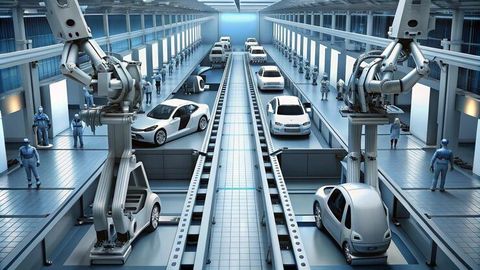
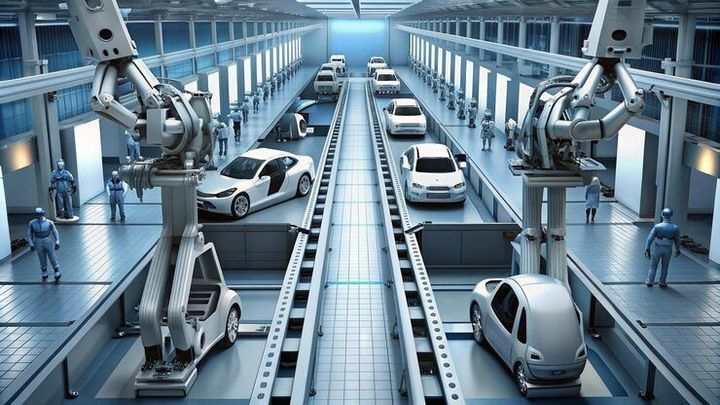
Automated Guided Vehicles (AGVs) are transforming modern manufacturing by improving material movement, warehouse automation, and industrial efficiency. These intelligent transport systems support safer workflows, faster production cycles, and data-driven operations across next-generation factories.
The concept of AGVs began decades ago when manufacturers needed safer and faster ways to move raw materials and finished products between production areas. Traditional forklifts and manual transport systems often caused delays, workplace accidents, and operational inefficiencies. AGVs were introduced to solve these problems through automation and intelligent navigation.
Today, AGVs are a key part of smart manufacturing environments. Modern production facilities depend on real-time data, connected machinery, and automated workflows. AGVs support these goals by transporting materials continuously and accurately while reducing interruptions.
Different types of AGVs are used for different industrial tasks. Some carry pallets in warehouses, while others tow carts, move assembly components, or transport heavy industrial equipment. Their ability to operate around the clock makes them valuable in high-volume manufacturing sectors such as automotive, electronics, pharmaceuticals, and logistics.
Why AGVs Matter in Modern Manufacturing
Manufacturing industries are facing increasing pressure to improve productivity, maintain workplace safety, and reduce operational delays. AGVs help address these challenges by automating repetitive transportation tasks inside industrial facilities.
One major benefit of AGVs is improved efficiency. Manual material movement can slow down production because it depends on worker availability and traffic inside the facility. AGVs follow optimized routes and schedules, allowing factories to maintain continuous workflows.
Another important advantage is workplace safety. Industrial transportation accidents remain a concern in many manufacturing facilities. AGVs use obstacle detection systems, sensors, and automatic braking features to reduce collision risks. These safety functions help create more controlled factory environments.
AGVs also support inventory accuracy. Modern manufacturing relies heavily on tracking materials in real time. AGVs integrate with warehouse management systems and production software, helping manufacturers monitor inventory movement more effectively.
The growing demand for e-commerce and fast product delivery has increased the importance of warehouse automation. AGVs help warehouses manage higher order volumes while maintaining operational consistency.
Key Benefits of AGVs
- Reduced manual handling
- Faster internal transportation
- Improved workplace safety
- Better inventory tracking
- Lower production delays
- Increased operational consistency
- Enhanced warehouse automation
Common AGV Applications in Industry
| Industry | AGV Application |
|---|---|
| Automotive Manufacturing | Assembly line material transport |
| Electronics Production | Precision component movement |
| Warehousing | Pallet transportation |
| Pharmaceuticals | Controlled product handling |
| Food Processing | Packaging and storage movement |
| Logistics Centers | Automated cargo transfer |
Recent Trends and Developments in AGV Technology
The AGV industry has experienced significant advancements during the past year as manufacturers continue investing in automation technologies.
In 2025, many industrial facilities expanded the use of artificial intelligence and machine learning in AGV systems. These technologies allow vehicles to optimize routes, avoid congestion, and improve navigation accuracy through real-time decision-making.
Another important trend is the rise of autonomous mobile robots, often called AMRs. Unlike traditional AGVs that follow fixed paths, AMRs use advanced mapping systems to navigate dynamically. Many modern factories are integrating both AGVs and AMRs into hybrid automation systems.
Battery technology has also improved in recent years. Lithium-ion batteries are becoming more common because they support faster charging cycles and longer operational periods compared to older battery systems.
Cloud-based fleet management systems gained popularity throughout 2025. These platforms allow manufacturers to monitor multiple AGVs through centralized dashboards. Real-time analytics help facilities improve operational efficiency and maintenance scheduling.
Industrial sectors are also focusing more on sustainability. Energy-efficient AGV systems are now designed to reduce electricity consumption while supporting environmentally responsible manufacturing operations.
AGV Technology Trends in 2025
| Trend | Industry Impact |
|---|---|
| AI Navigation Systems | Smarter route planning |
| Autonomous Mobile Robots | Flexible movement |
| Lithium-Ion Batteries | Longer operation cycles |
| Cloud Fleet Monitoring | Centralized management |
| Smart Sensors | Better obstacle detection |
| Industrial IoT Integration | Real-time factory data |
Another major development is the integration of AGVs with Industrial Internet of Things (IIoT) systems. Connected factories use sensors and communication networks to exchange information between machines, software platforms, and transport systems. AGVs play an important role in these connected environments.
Laws and Industrial Policies Related to AGVs
The use of AGVs in manufacturing is influenced by workplace safety standards, automation policies, and industrial regulations in different countries.
Many governments support industrial automation as part of national manufacturing modernization strategies. In countries such as India, Germany, Japan, and the United States, government initiatives encourage digital transformation and smart factory development.
In India, manufacturing policies connected to Industry 4.0 and industrial digitization encourage businesses to adopt advanced automation technologies. Industrial safety regulations also apply to AGV deployment inside manufacturing facilities.
Workplace safety standards require manufacturers to implement proper operational procedures for automated systems. AGVs must include emergency stop functions, warning indicators, collision prevention systems, and safe operating speeds.
International industrial standards organizations also provide guidance for automated vehicle operations. These standards help manufacturers ensure system reliability, worker safety, and operational consistency.
Data protection and cybersecurity policies are becoming increasingly important because AGVs are now connected to industrial networks and cloud platforms. Manufacturers must protect operational systems from unauthorized access and cybersecurity risks.
Environmental policies are also influencing AGV adoption. Many factories are moving toward energy-efficient automation systems to support sustainability goals and reduce industrial emissions.
Tools and Resources for Learning About AGVs
Several tools and resources help manufacturers, engineers, and students understand AGV technology and industrial automation systems.
Helpful Learning Resources
- Industrial automation simulation software
- Warehouse layout planning templates
- Fleet monitoring dashboards
- Robotics programming platforms
- Manufacturing workflow calculators
- Safety compliance checklists
- Industrial IoT learning modules
- Automation training courses
Common AGV Technologies
| Technology | Purpose |
|---|---|
| Laser Navigation | Route guidance |
| Vision Sensors | Object detection |
| RFID Tracking | Inventory identification |
| Fleet Software | Vehicle coordination |
| Mapping Systems | Facility navigation |
| Battery Monitoring | Power management |
Manufacturing professionals also use digital twins and virtual factory simulations to test AGV workflows before real-world deployment. These tools help improve planning and reduce operational disruptions.
Educational institutions are increasingly offering automation and robotics programs focused on smart manufacturing systems. Online learning platforms also provide industrial automation training for beginners and experienced professionals.
Frequently Asked Questions About AGVs
What is the difference between AGVs and autonomous mobile robots?
AGVs usually follow predefined routes using fixed guidance systems, while autonomous mobile robots use advanced mapping and navigation technologies to move dynamically through changing environments.
Are AGVs only used in large factories?
No. AGVs are used in facilities of different sizes, including warehouses, production centers, logistics hubs, and distribution facilities. Smaller manufacturers are also adopting automation technologies.
How do AGVs improve workplace safety?
AGVs use sensors, cameras, warning systems, and obstacle detection technology to reduce accidents caused by manual transportation equipment inside industrial facilities.
What industries commonly use AGVs?
Industries such as automotive manufacturing, electronics, pharmaceuticals, food processing, warehousing, and logistics frequently use AGVs for material handling and internal transportation.
Can AGVs operate continuously?
Many AGV systems are designed for continuous operation with scheduled charging cycles and automated fleet management systems that support long working hours.
Conclusion
Automated Guided Vehicles are becoming an essential part of next-generation manufacturing solutions. As industries continue moving toward digital transformation and smart factory operations, AGVs provide efficient, reliable, and safer material transportation systems.
Modern AGVs support productivity improvements, inventory accuracy, warehouse automation, and connected manufacturing environments. Advances in artificial intelligence, cloud monitoring, and industrial IoT integration are making these systems more intelligent and adaptable.