Pickup Truck Knowledge Hub: Specs, Safety Features, Fuel Efficiency, and Helpful Resources for Buyers
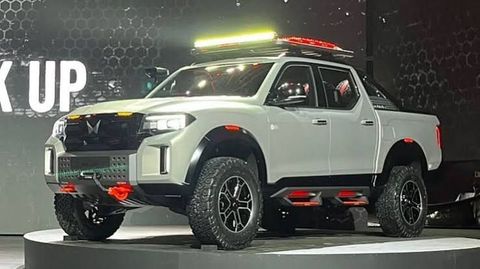
Pickup trucks are vehicles designed with a passenger cabin and an open cargo bed at the rear. They are commonly used for transporting goods, equipment, and materials, while still functioning as everyday vehicles for personal travel. Over time, pickup trucks have evolved from basic utility machines into multi-purpose vehicles that combine comfort, technology, and durability.
The design exists to meet a practical need: moving heavy or bulky items while maintaining mobility across different terrains. This makes pickup trucks useful in agriculture, construction, logistics, and even recreational activities such as camping or off-roading. Modern models now include advanced infotainment systems, driver assistance features, and improved ride quality, making them suitable for a wider audience.
Importance: Why Pickup Trucks Matter Today
Pickup trucks play a significant role in both individual and commercial use. Their importance has grown as industries require reliable transportation solutions that can handle demanding workloads while offering flexibility.
They matter today because they address several key needs:
- Versatility: A single vehicle can serve work, travel, and lifestyle purposes
- Durability: Built to handle rough roads, heavy loads, and challenging conditions
- Adaptability: Available in multiple configurations such as single cab, double cab, and extended bed
- Technological integration: Modern trucks include navigation systems, connectivity features, and driver assistance tools
Pickup trucks affect a broad group of users:
- Small business owners transporting tools or materials
- Farmers and rural users managing agricultural tasks
- Outdoor enthusiasts requiring off-road capability
- Urban drivers seeking larger vehicles with cargo flexibility
They solve practical problems like transporting heavy loads, navigating uneven terrain, and combining passenger comfort with cargo capacity.
Key Specifications Overview
Understanding pickup truck specifications helps clarify how different models perform. Below is a simplified comparison of common features:
| Specification | Description | Typical Range |
|---|---|---|
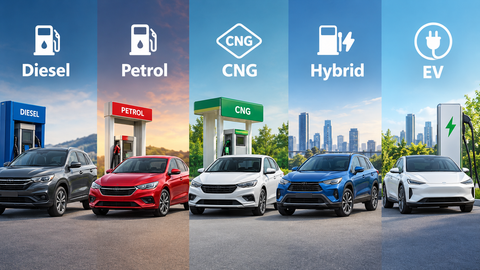
| Engine Type | Petrol, diesel, hybrid, or electric | 2.0L – 6.0L or electric motor |
| Payload Capacity | Maximum weight the truck can carry | 500 kg – 1,500 kg |
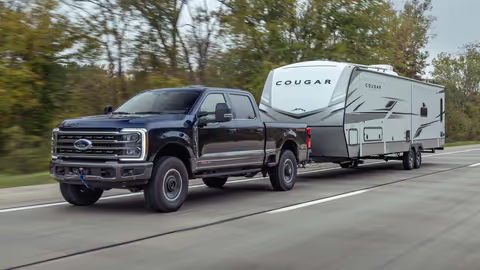
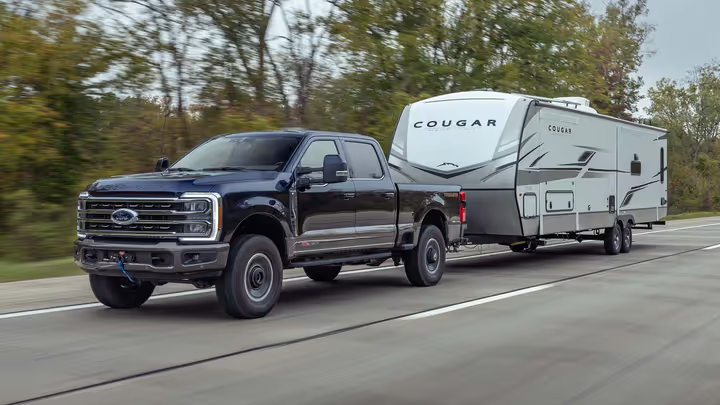
| Towing Capacity | Maximum weight the truck can pull | 1,500 kg – 5,000+ kg |
| Drivetrain | 2WD (rear/front) or 4WD | Depends on terrain needs |
| Fuel Efficiency | Distance covered per unit of fuel | 8–15 km/l (varies widely) |
These specifications directly influence performance, efficiency, and usability.
Fuel Efficiency Comparison
Fuel efficiency varies depending on engine size, weight, and driving conditions. A simplified trend is shown below:
| Truck Type | Fuel Efficiency Trend |
|---|---|
| Compact Pickup | Higher efficiency |
| Mid-size Pickup | Moderate efficiency |
| Full-size Pickup | Lower efficiency |
| Hybrid/Electric | Highest efficiency |
Smaller engines and hybrid systems generally provide better fuel economy, while larger engines focus more on power and towing capability.
Safety Features in Modern Pickup Trucks
Safety has become a major focus in recent years. Pickup trucks now include a wide range of systems designed to reduce risks and improve driver awareness.
Common safety features include:
- Anti-lock Braking System (ABS): Prevents wheel lock during sudden braking
- Electronic Stability Control (ESC): Helps maintain control during sharp turns
- Airbags: Front, side, and curtain airbags for occupant protection
- Rearview Camera: Assists with parking and reversing
- Blind Spot Monitoring: Alerts drivers to vehicles in hard-to-see areas
- Lane Departure Warning: Notifies when the vehicle drifts out of its lane
- Adaptive Cruise Control: Maintains safe distance from other vehicles
These features contribute to safer driving experiences, especially for larger vehicles like pickup trucks.
Recent Updates and Trends
The past year has seen notable developments in the pickup truck segment, particularly in technology and environmental considerations.
- 2025: Increased adoption of electric pickup trucks with improved battery range and charging infrastructure
- 2024–2025: Integration of advanced driver assistance systems (ADAS) becoming standard in many models
- 2025: Growth in hybrid pickup options aimed at balancing power and fuel efficiency
- Late 2024: Updates in infotainment systems with larger touchscreens and improved connectivity
There is also a growing focus on sustainability, with manufacturers investing in alternative fuel technologies and lightweight materials to improve efficiency.
Laws and Policies Affecting Pickup Trucks
Pickup trucks are subject to various regulations that differ by country. These rules ensure safety, environmental compliance, and proper usage.
In India, key regulatory aspects include:
- Emission Standards: Vehicles must comply with Bharat Stage VI (BS6) norms, which limit emissions
- Vehicle Classification: Pickup trucks may be categorized as commercial or private depending on usage
- Registration Requirements: Commercial pickups require different permits compared to personal vehicles
- Load Regulations: Limits on payload capacity to ensure road safety
- Insurance Compliance: Mandatory motor insurance for all vehicles
Government initiatives also encourage the adoption of electric vehicles through incentives and infrastructure development programs.
Tools and Resources for Understanding Pickup Trucks
Several tools and platforms help individuals understand pickup truck features, performance, and suitability.
Useful resources include:
- Fuel Efficiency Calculators: Estimate fuel consumption based on driving patterns
- Vehicle Comparison Websites: Compare specifications, safety features, and performance
- Government Transport Portals: Provide information on registration, permits, and compliance
- Mobile Apps for Drivers: Track maintenance schedules, fuel usage, and trip data
- Automotive Review Platforms: Offer expert insights and user experiences
These resources support informed decisions by presenting clear and structured information.
Visual Trend: Fuel Efficiency vs Engine Size
A simplified relationship between engine size and fuel efficiency:
Fuel Efficiency
   ^
   |        *
   |      *
   |    *
   |  *
   |*
   +----------------------> Engine Size
As engine size increases, fuel efficiency generally decreases, although hybrid and electric technologies can alter this trend.
FAQs
What is the difference between payload and towing capacity?
Payload refers to the weight a pickup truck can carry in its bed and cabin. Towing capacity refers to the weight it can pull behind it, such as a trailer.
Are pickup trucks suitable for city driving?
Yes, but their larger size can make parking and maneuvering more challenging in crowded urban areas.
How does four-wheel drive improve performance?
Four-wheel drive distributes power to all wheels, improving traction on rough or slippery surfaces.
Do electric pickup trucks perform like traditional ones?
Electric pickups can offer strong acceleration and torque, but range and charging infrastructure are important considerations.
What factors affect fuel efficiency the most?
Engine size, driving habits, load weight, terrain, and maintenance all influence fuel efficiency.
Conclusion
Pickup trucks have evolved into versatile vehicles that combine utility, comfort, and advanced technology. Understanding specifications such as engine type, payload, and fuel efficiency helps clarify their capabilities. Safety features have significantly improved, making them more secure for everyday use.
Recent trends show a shift toward electrification and smarter technology, reflecting broader changes in the automotive industry. Regulations ensure safety and environmental compliance, while various tools and resources help individuals better understand their options.
Overall, pickup trucks continue to serve a wide range of needs, from professional use to personal mobility, making them an important part of modern transportation systems.