Automotive Software Solutions: A Complete Guide for Modern Vehicle Technology
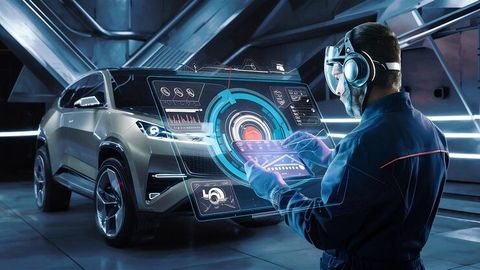
Modern vehicles are no longer defined only by engines, mechanical systems, or physical design. Automotive software solutions now play a central role in how vehicles operate, communicate, and support drivers in daily transportation. These software systems manage everything from navigation and diagnostics to battery optimization, safety alerts, infotainment, and fleet coordination. As vehicles become more connected and intelligent, software increasingly acts as the foundation that links hardware, sensors, cloud platforms, and user interfaces into a single operational ecosystem.
The growing importance of automotive software solutions reflects a broader global shift toward digital transformation and connected mobility. According to global industry research, vehicle manufacturers, logistics providers, and mobility platforms are investing heavily in software-driven technologies to improve efficiency, safety, and sustainability. Consumers also expect modern vehicles to include features such as predictive maintenance, real-time monitoring, voice controls, and seamless integration with digital devices. Over the past few years, software has become a major factor influencing vehicle performance, ownership experience, and long-term operational costs.
The real-world impact of automotive software reaches beyond manufacturers and technology companies. Drivers use software-enabled systems for safer navigation and better fuel or energy management, while businesses rely on fleet management tools to track vehicles and optimize routes. Service centers use diagnostic software to identify issues quickly, and public transportation providers depend on integrated systems to coordinate large-scale operations. Because these technologies influence both personal and commercial mobility, understanding automotive software solutions is increasingly important for a wide range of users and industries.
Who It Affects & Problems It Solves
Automotive software solutions affect individual drivers, vehicle manufacturers, logistics companies, fleet operators, service technicians, insurers, and mobility providers across the world. Everyday drivers benefit from systems that improve safety, navigation accuracy, and driving convenience, while businesses use software to manage maintenance schedules, operational efficiency, and vehicle tracking. Technology professionals and engineers are also directly involved, as modern vehicle development increasingly depends on software integration and data management.
Without a clear understanding of automotive software systems, many organizations and vehicle owners struggle to choose tools that match their operational needs. Some may adopt platforms with advanced features they rarely use, while others rely on outdated systems that limit efficiency or compatibility with newer technologies. Common challenges include fragmented data, delayed diagnostics, inconsistent software updates, and poor integration between vehicles and digital platforms. In commercial settings, these problems can increase downtime, fuel consumption, maintenance expenses, and communication delays.
A common global scenario involves businesses expanding their transportation operations without upgrading their digital infrastructure. Vehicles may generate valuable operational data, but without centralized software, managers cannot effectively monitor performance or identify maintenance risks. Individual drivers can face similar issues when vehicle software becomes outdated or incompatible with connected services. These challenges highlight why comparing automotive software solutions carefully is essential before making long-term decisions, especially as industry expectations continue to evolve rapidly.
Recent Updates
Over the past year, automotive software development has increasingly focused on artificial intelligence and predictive analytics. Many software platforms now use machine learning to analyze driving patterns, monitor component health, and predict maintenance needs before failures occur. This shift is helping businesses reduce operational disruptions while also improving driver safety and vehicle reliability.
In early 2025, software-defined vehicle architecture became a major topic across the automotive industry. Instead of relying heavily on isolated hardware systems, manufacturers are designing vehicles where many features can be updated or enhanced through software updates. This approach allows vehicles to receive improvements in navigation, performance optimization, and security without requiring extensive physical modifications.
Cybersecurity has also become a higher priority for automotive software providers. Connected vehicles exchange large amounts of operational and location-based data, creating new concerns around data privacy and system protection. Industry observers note that many software providers are strengthening encryption standards, access controls, and real-time monitoring systems to reduce the risk of unauthorized access or software vulnerabilities.
Another significant trend involves the growing integration of electric vehicle management systems with broader mobility platforms. Software tools increasingly support charging optimization, battery performance analysis, and route planning for electric fleets and personal vehicles. As digital mobility ecosystems continue to expand globally, businesses and drivers are paying closer attention to software compatibility, scalability, and long-term support capabilities.
Comparison Table
The following comparison highlights the most important areas that organizations and vehicle owners typically evaluate when comparing automotive software solutions. These parameters matter globally because they influence efficiency, usability, scalability, and long-term operational value.
| Comparison Parameter | Basic Systems | Advanced Integrated Systems |
|---|---|---|
| Vehicle Diagnostics | Limited fault detection | Real-time predictive diagnostics |
| Software Updates | Manual or infrequent | Automatic remote updates |
| Connectivity | Basic device integration | Full cloud-based integration |
| Fleet Management | Minimal tracking | Advanced analytics and route optimization |
| Cybersecurity Features | Standard protections | Multi-layer monitoring and encryption |
| User Interface | Simple dashboards | Interactive and customizable platforms |
| Data Analytics | Basic reporting | AI-driven operational insights |
| Electric Vehicle Support | Limited compatibility | Battery and charging optimization |
| Scalability | Suitable for small operations | Designed for expanding networks |
| Maintenance Management | Reactive maintenance | Predictive scheduling tools |
| Driver Assistance | Basic alerts | Advanced intelligent assistance |
| Integration Capability | Standalone functions | Multi-platform ecosystem support |
The table shows a clear shift from isolated vehicle management tools toward fully integrated digital ecosystems. Advanced automotive software solutions generally provide stronger analytics, automation, and long-term scalability, while simpler systems may still suit smaller operations with limited technological requirements. Understanding these differences also helps explain why regulations and operational guidance are becoming increasingly important across the industry.
Regulations & Practical Guidance
In most countries, automotive software systems must follow safety, cybersecurity, and data protection standards designed to support reliable vehicle operation. Regulators globally tend to focus on secure communication between connected systems, protection of user information, and the safe implementation of driver assistance technologies. Because modern vehicles rely heavily on digital connectivity, software providers are expected to maintain regular updates, vulnerability management practices, and operational transparency.
Most jurisdictions also require vehicle manufacturers and mobility operators to maintain clear accountability for software performance and maintenance. This includes ensuring that safety-related systems operate consistently and that diagnostic data remains accurate. International industry standards increasingly encourage interoperability between systems so that vehicles, charging infrastructure, and fleet platforms can function together efficiently. As software-driven mobility expands, compliance and operational oversight are expected to become even more significant.
Which Option Suits Your Situation?
For individual drivers who mainly use vehicles for personal transportation, software solutions focused on navigation, diagnostics, and safety monitoring are often sufficient. These users may benefit most from systems that provide simple interfaces, automatic updates, and reliable smartphone integration without requiring complex analytics or fleet management features.
Self-employed professionals or small business owners who rely on transportation for daily operations often need more advanced functionality. Features such as route optimization, maintenance scheduling, and fuel or energy tracking can improve operational efficiency while reducing avoidable downtime. Choosing scalable software may also help these users adapt as their business operations expand.
Large organizations and fleet operators typically require integrated platforms capable of managing multiple vehicles simultaneously. Real-time monitoring, predictive maintenance, centralized reporting, and cybersecurity protections become more important as operational complexity increases. In these environments, software compatibility with existing systems is often just as important as the feature list itself.
Younger drivers and first-time vehicle owners may prioritize affordability and ease of use, while experienced drivers may place greater emphasis on long-term reliability and advanced assistance systems. Evaluating software based on operational needs, future compatibility, and security support can help users avoid costly adjustments later, which naturally leads to the importance of practical tools and resources.
Tools & Resources
Several globally accessible tools and educational resources can help users understand and manage automotive software systems more effectively.
OBD Auto Doctor — A diagnostic platform that helps users monitor vehicle health, identify system errors, and review performance data in a user-friendly format.
AutoFluent — A management solution commonly used for repair shops and maintenance operations to organize service records, scheduling, and customer communication.
Fleet Complete — A fleet management platform that supports vehicle tracking, route analysis, and operational reporting for businesses managing transportation networks.
MATLAB Automotive Tools — Engineering-focused software used for vehicle system simulation, testing, and algorithm development in automotive research and development.
CANalyzer — A specialized tool used to analyze vehicle communication systems and monitor network activity within connected automotive environments.
Torque Pro — A mobile-based diagnostic application that allows drivers to review real-time vehicle performance information and maintenance alerts.
These resources demonstrate how automotive software can support both everyday drivers and large-scale operations, while also preparing users to answer common questions about implementation, safety, and long-term usability.
Frequently Asked Questions
What are automotive software solutions?
Automotive software solutions are digital systems designed to manage, monitor, and improve vehicle performance, connectivity, diagnostics, and operational efficiency. These systems may support navigation, predictive maintenance, safety alerts, fleet management, battery optimization, and communication between vehicle components. Modern vehicles increasingly depend on software to coordinate hardware systems and provide real-time information to drivers, businesses, and service providers.
Who should choose advanced automotive software systems?
Advanced systems are generally most suitable for businesses, fleet operators, logistics providers, and organizations managing multiple vehicles or complex transportation operations. These users often benefit from predictive analytics, centralized reporting, and real-time tracking. Individual drivers may also prefer advanced systems if they value connected services, intelligent assistance features, or long-term scalability. The best choice depends on operational complexity, future needs, and budget considerations.
Are automotive software systems regulated internationally?
In many parts of the world, automotive software systems are subject to safety, cybersecurity, and data protection requirements. Regulatory expectations often focus on secure software updates, reliable system performance, and protection against unauthorized access. Vehicle manufacturers and software providers are generally expected to maintain transparency and ensure that critical systems operate consistently. Specific compliance standards vary depending on local regulations and industry requirements.
What is a common misconception about automotive software?
A common misconception is that automotive software only supports entertainment or navigation features. In reality, software now influences core vehicle operations such as braking systems, battery management, diagnostics, and driver assistance technologies. Another misunderstanding is that all systems offer the same compatibility and update support. Software quality, security standards, and integration capabilities can differ significantly between platforms and providers.
Is there a minimum requirement for using automotive software tools?
Basic automotive software tools often require compatible onboard diagnostic hardware, internet connectivity for updates, and a supported digital device such as a smartphone, tablet, or computer. More advanced enterprise systems may require cloud infrastructure, integrated sensors, and centralized management platforms. Eligibility and technical requirements vary depending on the complexity of the system and the scale of vehicle operations being managed.
Conclusion
Automotive software solutions have become an essential part of modern transportation, influencing everything from vehicle diagnostics and safety systems to fleet coordination and predictive maintenance. The comparison between basic and advanced systems shows that functionality, integration, scalability, and cybersecurity are now central factors in evaluating long-term value. As vehicles continue to evolve into connected digital platforms, software quality increasingly shapes both user experience and operational efficiency.
For most users, the right solution depends on how vehicles are used, the level of operational complexity involved, and the importance of future scalability. Individual drivers may prioritize simplicity and convenience, while businesses often require integrated analytics and centralized management capabilities. Evaluating compatibility, update support, and security standards can help users make more informed decisions without relying on unnecessary features.