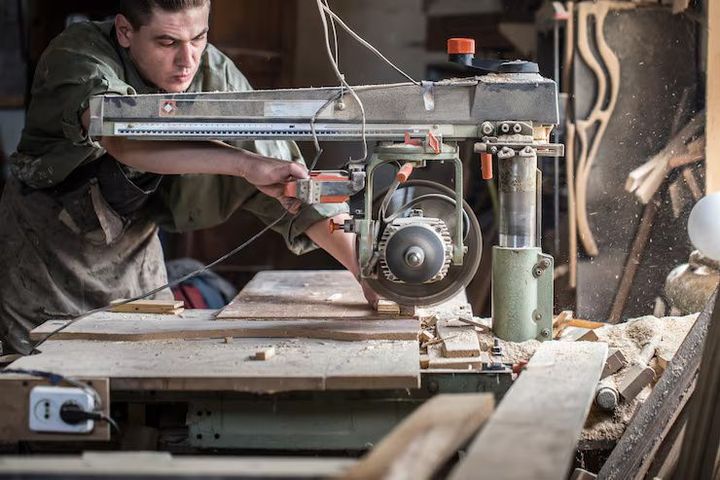
Drilling Machines Guide: Types, Uses and Key Benefits
Drilling machines are mechanical devices designed to create holes in various materials such as metal, wood, plastic, concrete, and composite materials. They are among the most widely used machines in manufacturing, construction, mining, automotive production, and infrastructure development.
The need for drilling machines emerged as industries required accurate and efficient methods for creating holes. Manual drilling methods were often slow and inconsistent, making large-scale production difficult. Modern drilling machines address these challenges by providing speed, precision, and repeatability.
Today, drilling technology ranges from simple handheld units to advanced computer-controlled systems capable of performing highly precise operations. These machines support a wide variety of tasks, including hole creation, tapping, reaming, countersinking, and boring.
Common Types of Drilling Machines
| Type | Primary Use | Typical Environment |
|---|---|---|
| Portable Drilling Machine | Light-duty drilling tasks | Maintenance and repair |
| Bench Drilling Machine | Precision drilling | Workshops |
| Pillar Drilling Machine | Medium-scale operations | Manufacturing units |
| Radial Drilling Machine | Large workpieces | Heavy industries |
| Magnetic Drilling Machine | Steel structure drilling | Construction sites |
| CNC Drilling Machine | Automated precision drilling | Advanced manufacturing |
| Deep Hole Drilling Machine | Long and accurate holes | Aerospace and engineering |
Basic Working Principle
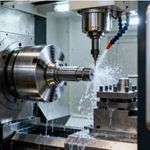
A drilling machine operates by rotating a cutting tool called a drill bit. The rotating bit applies force to the material, removing material in the form of chips and creating a hole of the required diameter and depth.
The process typically involves:
- Positioning the workpiece
- Selecting an appropriate drill bit
- Setting speed and feed rates
- Drilling the hole
- Inspecting the finished result
Why Drilling Machines Matter Today
Drilling machines play a significant role in modern industrial development. Their importance extends beyond manufacturing and directly affects infrastructure growth, transportation systems, energy projects, and technological innovation.
Industries rely on drilling machines because accurate holes are critical for assembly, fastening, wiring, piping, and structural integrity. Even small deviations can affect the performance and safety of final products.
Key Industries That Use Drilling Machines
- Manufacturing and fabrication
- Construction and infrastructure
- Automotive production
- Aerospace engineering
- Energy and power generation
- Electronics manufacturing
- Mining and geological exploration
- Shipbuilding
Problems Solved by Drilling Machines
Drilling machines help address several operational challenges:
- Improving production accuracy
- Reducing manual labor requirements
- Increasing workplace productivity
- Enhancing consistency in manufacturing
- Supporting complex engineering designs
- Reducing material waste
Benefits of Modern Drilling Machines
| Benefit | Impact |
|---|---|
| Precision | More accurate hole placement |
| Speed | Faster production cycles |
| Consistency | Uniform output quality |
| Safety Features | Reduced workplace risks |
| Automation | Less manual intervention |
| Versatility | Suitable for multiple materials |
The growing demand for industrial automation has further increased the importance of advanced drilling systems. As production requirements become more complex, industries seek solutions that improve efficiency while maintaining quality standards.
Recent Updates and Industry Trends
The drilling machine sector has experienced significant technological progress over the past year. Manufacturers and industrial facilities continue adopting digital technologies to improve productivity and operational efficiency.
Increased Adoption of Smart Manufacturing
Throughout 2025 and early 2026, many manufacturing facilities expanded the use of smart production systems. Drilling machines are increasingly integrated with sensors that monitor performance, tool wear, vibration levels, and operational efficiency.
These systems help operators identify maintenance requirements before failures occur.
Growth of CNC and Automated Drilling Systems
Computer Numerical Control (CNC) drilling machines continue gaining popularity due to their precision and repeatability. Industries requiring complex components increasingly prefer automated drilling solutions for higher accuracy.
Benefits include:
- Reduced human error
- Improved production consistency
- Faster setup times
- Enhanced quality control
Focus on Energy Efficiency
During 2025, equipment manufacturers emphasized energy-efficient machine designs. Newer drilling machines often include optimized motors and power management systems that help reduce electricity consumption.
Digital Monitoring and Data Analysis
Industrial facilities increasingly use data-driven maintenance strategies. Real-time monitoring systems provide information regarding:
- Machine health
- Productivity levels
- Maintenance schedules
- Operational efficiency
Trend Overview
| Recent Trend | Industry Impact |
|---|---|
| Smart Sensors | Better monitoring |
| CNC Expansion | Improved precision |
| Automation Growth | Higher productivity |
| Energy Efficiency | Reduced resource use |
| Predictive Maintenance | Less downtime |
These developments reflect a broader movement toward Industry 4.0 practices, where machines, software, and data systems work together to improve manufacturing outcomes.
Laws, Regulations, and Policy Considerations
Drilling machines operate within a framework of workplace safety regulations, environmental requirements, and equipment standards. Compliance helps ensure worker safety and operational reliability.
Workplace Safety Standards
Many countries require organizations to follow occupational health and safety regulations when operating industrial machinery.
Common requirements include:
- Operator training
- Machine guarding systems
- Emergency stop mechanisms
- Personal protective equipment
- Regular equipment inspections
These measures reduce the likelihood of workplace accidents and equipment-related injuries.
Industrial Equipment Standards
Manufacturing equipment often must comply with technical standards covering:
- Mechanical performance
- Electrical safety
- Noise levels
- Operational reliability
Compliance supports safe and consistent machine operation across industries.
Environmental Regulations
Environmental policies increasingly influence industrial equipment usage.
Key focus areas include:
- Energy efficiency
- Waste reduction
- Lubricant management
- Noise control
- Resource conservation
Organizations are encouraged to adopt practices that minimize environmental impact while maintaining productivity.
Government Support for Advanced Manufacturing
Many countries have introduced industrial modernization programs aimed at encouraging digital manufacturing and automation technologies. These initiatives often promote:
- Smart manufacturing adoption
- Industrial innovation
- Technology upgrades
- Productivity improvements
Such programs contribute to the continued advancement of drilling technology and manufacturing capabilities.
Useful Tools and Resources
Professionals, students, and organizations can benefit from various resources related to drilling machine operations and planning.
Design and Engineering Tools
Helpful tools may include:
- Hole size calculators
- Feed rate calculators
- Cutting speed calculators
- Material selection guides
- Engineering design templates
These resources help improve accuracy during project planning.
Learning Resources
Common educational materials include:
- Technical manuals
- Equipment operation guides
- Safety training materials
- Industrial engineering textbooks
- Manufacturing process references
Maintenance Resources
Maintenance-focused tools often include:
- Inspection checklists
- Preventive maintenance schedules
- Equipment log templates
- Performance monitoring sheets
Digital Monitoring Solutions
Modern facilities may use:
- Machine monitoring dashboards
- Production tracking systems
- Predictive maintenance platforms
- Data analysis software
These tools support operational efficiency and equipment reliability.
Frequently Asked Questions
What is the main purpose of a drilling machine?
A drilling machine is primarily used to create holes in different materials. It can also perform related operations such as reaming, boring, countersinking, and tapping.
Which industries use drilling machines the most?
Manufacturing, construction, automotive, aerospace, mining, shipbuilding, and energy industries are among the largest users of drilling machines.
What is the difference between a conventional and CNC drilling machine?
Conventional drilling machines require more manual operation, while CNC drilling machines use programmed instructions to perform highly accurate and automated drilling tasks.
Why is drilling accuracy important?
Accurate drilling ensures proper assembly, structural integrity, and product quality. Incorrect hole placement can affect performance, safety, and durability.
How can drilling machine safety be improved?
Safety can be enhanced through operator training, machine guards, regular inspections, proper maintenance, and the use of personal protective equipment.
Conclusion
Drilling machines remain essential tools across modern industries because they provide accurate, efficient, and reliable hole-making capabilities. From simple workshop tasks to advanced manufacturing processes, these machines support countless industrial applications.