Discover Injection Moulding Machines: Key Features and Industry Applications
Injection moulding machines play a major role in modern manufacturing. From automotive components and medical devices to consumer products and packaging materials, these machines help produce millions of precision parts every day.
As industries continue to focus on efficiency, automation, and product quality, injection moulding technology has become one of the most important manufacturing processes worldwide. Understanding how these machines work and where they are used can provide valuable insights into the future of industrial production.
What Are Injection Moulding Machines?
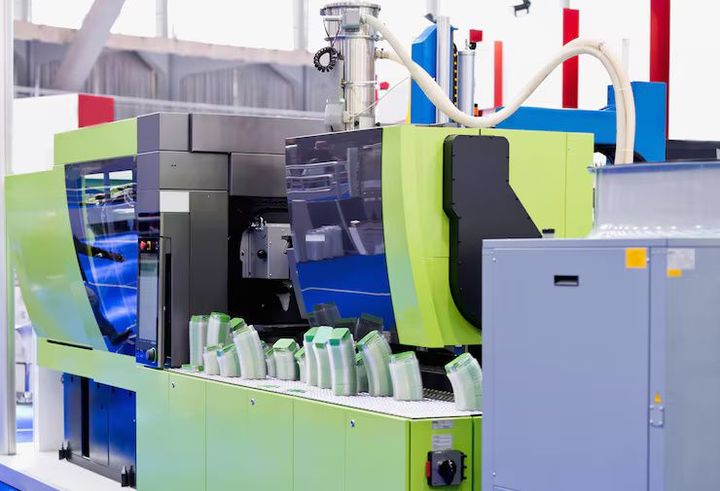
Injection moulding machines are industrial systems designed to manufacture plastic components by injecting molten material into specially designed moulds. Once the material cools and solidifies, the finished part is ejected from the mould.
The process is highly efficient because it allows manufacturers to produce large quantities of identical components with exceptional accuracy and consistency.
Modern injection moulding machines can work with various materials, including:
- Thermoplastics
- Thermosetting polymers
- Elastomers
- Specialized engineering plastics
These materials are commonly used in industries that require durable, lightweight, and precisely engineered products.
How Injection Moulding Machines Work
Material Preparation
Plastic pellets are fed into a heated barrel where they melt into a liquid state.
Injection Stage
A screw mechanism pushes the molten plastic into a mould cavity under high pressure.
Cooling Phase
The material cools inside the mould and takes its final shape.
Ejection Process
Once solidified, the finished component is removed, and the cycle begins again.
This automated process can be repeated thousands of times, making it one of the most productive manufacturing methods available today.
Key Features of Modern Injection Moulding Machines
High Precision Manufacturing
Advanced control systems allow manufacturers to create components with extremely tight tolerances. This level of precision is critical for industries such as electronics, healthcare, and automotive manufacturing.
Automated Production
Industrial automation reduces manual intervention and improves production consistency. Smart sensors and monitoring systems help maintain quality throughout the manufacturing cycle.
Energy Efficiency
Modern machines are designed with energy-saving technologies that reduce power consumption while maintaining high productivity levels.
Fast Production Cycles
Injection moulding machines can produce large quantities of parts within short timeframes, improving overall manufacturing efficiency.
Material Flexibility
Many machines support a wide range of engineering-grade plastics and specialty materials, enabling manufacturers to meet different application requirements.
Types of Injection Moulding Machines
Hydraulic Injection Moulding Machines
Hydraulic systems have been widely used for decades. They provide strong clamping force and are suitable for producing large components.
Advantages include:
- High power output
- Reliable operation
- Suitable for heavy-duty applications
Electric Injection Moulding Machines
Electric models use servo motors instead of hydraulic systems.
Benefits include:
- Improved energy efficiency
- Reduced maintenance requirements
- Higher precision control
- Cleaner operation
These machines are commonly used in medical, electronics, and precision engineering sectors.
Hybrid Injection Moulding Machines
Hybrid systems combine hydraulic strength with electric precision.
They offer:
- Enhanced productivity
- Better energy management
- Improved process control
- Greater operational flexibility
Many manufacturers now prefer hybrid solutions because they balance performance and efficiency.
Major Industry Applications
Automotive Manufacturing
The automotive sector relies heavily on injection moulding technology to produce lightweight and durable components.
Examples include:
- Dashboard panels
- Interior trim parts
- Engine covers
- Lighting housings
- Connectors and clips
As electric vehicle production expands globally, demand for advanced moulding solutions continues to grow.
Medical Device Production
Medical manufacturers require highly accurate and contamination-controlled production environments.
Injection moulding machines help create:
- Syringes
- Surgical instruments
- Diagnostic equipment components
- Laboratory containers
Strict quality standards make precision moulding especially important in healthcare applications.
Consumer Electronics
Electronics manufacturers use injection moulding to produce components that require both durability and precise dimensions.
Common products include:
- Smartphone housings
- Computer components
- Connectors
- Remote control casings
Miniaturization trends are increasing the need for highly accurate moulding systems.
Packaging Industry
Plastic packaging remains one of the largest applications for injection moulding technology.
Examples include:
- Food containers
- Bottle caps
- Storage solutions
- Protective packaging components
High-volume production capabilities make injection moulding ideal for packaging manufacturers.
Industrial Equipment
Factories and industrial operations use moulded plastic components in various machines and equipment.
Applications include:
- Protective covers
- Mechanical housings
- Fluid handling components
- Industrial connectors
These products often require strong engineering plastics with excellent durability.
Emerging Trends in Injection Moulding Technology
Smart Manufacturing Integration
Industry 4.0 technologies are transforming production facilities worldwide. Modern injection moulding machines increasingly feature:
- Real-time monitoring
- Data analytics
- Predictive maintenance
- Remote equipment management
These technologies improve productivity and reduce downtime.
Sustainable Manufacturing Practices
Environmental concerns are encouraging manufacturers to adopt more sustainable production methods.
Key developments include:
- Recycled plastic processing
- Reduced material waste
- Energy-efficient equipment
- Circular manufacturing strategies
Sustainability has become a major focus across global manufacturing industries.
Advanced Robotics
Robotic systems are being integrated into moulding operations to handle:
- Part removal
- Quality inspection
- Packaging
- Assembly processes
Automation improves efficiency while maintaining consistent product quality.
Artificial Intelligence and Process Optimization
AI-powered systems can analyze production data and automatically adjust machine parameters to improve efficiency and product consistency.
This technology is helping manufacturers reduce defects and optimize production performance.
Benefits for Modern Manufacturing
Injection moulding machines provide several advantages that make them essential in industrial production.
These benefits include:
- High-volume manufacturing capability
- Consistent product quality
- Reduced material waste
- Excellent design flexibility
- Lower long-term production costs
- Strong compatibility with automation systems
As industries continue pursuing operational efficiency and precision manufacturing, injection moulding remains one of the most valuable production technologies available.
Conclusion
Injection moulding machines have become a foundation of modern manufacturing, supporting industries ranging from automotive and healthcare to electronics and packaging. Their ability to produce precise, repeatable, and high-quality components makes them indispensable in today's competitive industrial environment.
With advancements in automation, smart manufacturing, artificial intelligence, and sustainable production practices, injection moulding technology continues to evolve. Businesses that understand these innovations can better adapt to changing market demands while improving productivity, quality, and operational efficiency.