Table of Contents

Discover Coffee Roasting Machines: Features, Benefits & Buying Insights

Discover Coffee Roasting Machines: Features, Benefits & Buying Insights

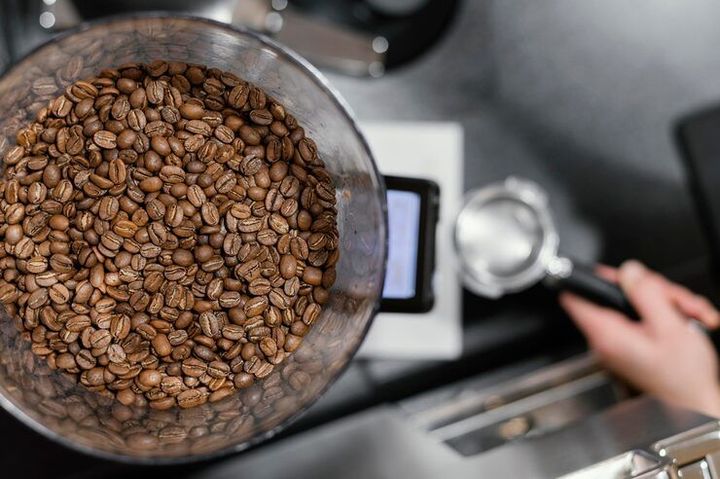
Coffee has become one of the most consumed beverages worldwide, and the quality of roasted beans plays a major role in shaping flavor, aroma, and customer satisfaction. Behind every great cup of coffee is a carefully controlled roasting process, and that process relies heavily on coffee roasting machines.

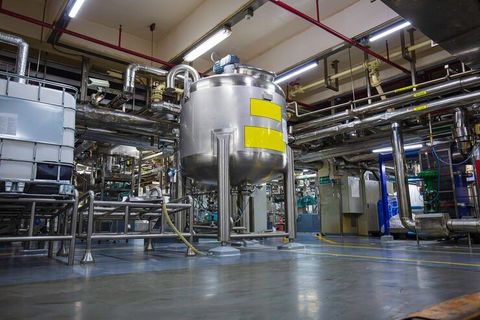
From small specialty coffee businesses to large-scale production facilities, modern coffee roasting equipment helps achieve consistency, efficiency, and precision. As global demand for premium coffee continues to rise, understanding the features and benefits of roasting machines becomes increasingly important.

Understanding Coffee Roasting Machines

Coffee roasting machines are specialized pieces of equipment designed to transform green coffee beans into roasted beans through controlled heat application. During roasting, complex chemical reactions occur within the beans, developing the flavors and aromas that coffee drinkers enjoy.

Modern coffee roasting systems are available in various sizes and technologies, ranging from compact units for specialty roasting operations to industrial coffee roasting machines capable of processing large volumes.

The roasting process typically involves:

  • Drying the green beans
  • Browning and flavor development
  • First crack and roasting progression
  • Cooling and stabilization

The precision of each stage directly affects the final coffee profile.

Key Features of Modern Coffee Roasting Machines

Advanced Temperature Control

One of the most valuable features of modern roasting equipment is precise temperature management. Advanced control systems allow operators to monitor and adjust heat levels throughout the roasting cycle.

Consistent temperature control helps produce uniform batches while reducing waste and improving product quality.

Automated Roasting Programs

Many automated coffee roasting systems now include programmable roasting profiles. These profiles allow users to save specific roasting parameters and repeat them accurately.

Automation helps reduce human error and improves production efficiency, especially for businesses handling multiple roast styles.

Real-Time Monitoring Systems

Modern machines often feature digital displays and monitoring software that track:

  • Bean temperature
  • Airflow levels
  • Drum speed
  • Roasting time
  • Heat application

This data allows operators to make informed adjustments during the roasting process.

Efficient Cooling Technology

Rapid cooling systems help stop the roasting process immediately after the desired roast level is reached. Effective cooling preserves flavor characteristics and prevents over-roasting.

Energy-Efficient Design

Energy consumption is becoming an important consideration across manufacturing industries. New coffee processing equipment often includes energy-saving technologies that improve operational efficiency while reducing utility expenses.

Benefits of Using Coffee Roasting Machines

Improved Product Consistency

Consistency remains one of the biggest challenges in coffee production. High-quality roasting machines help maintain repeatable roasting profiles, ensuring customers receive the same flavor experience every time.

Greater Operational Efficiency

Automated systems streamline production workflows and reduce manual intervention. This allows businesses to increase output while maintaining quality standards.

Enhanced Flavor Development

Precise control over roasting variables helps maximize the natural characteristics of coffee beans. Different origins, processing methods, and bean varieties can be roasted to highlight unique flavor notes.

Better Quality Control

Data-driven roasting systems provide valuable insights into production performance. Operators can analyze roast profiles, identify trends, and continuously improve quality.

Scalability for Growing Businesses

Coffee roasting technology supports growth by enabling businesses to increase production capacity without sacrificing consistency or efficiency.

Types of Coffee Roasting Machines

Drum Roasters

Drum roasters are among the most widely used coffee roasting machines. Beans rotate inside a heated drum, ensuring even heat distribution and controlled roasting.

These machines are popular in specialty coffee operations because they offer excellent flavor development.

Fluid Bed Roasters

Fluid bed roasters use hot air circulation to roast coffee beans. The beans remain suspended during roasting, creating a highly uniform process.

This roasting method often produces cleaner and brighter flavor profiles.

Industrial Coffee Roasting Systems

Large-scale production facilities typically use industrial coffee roasting machines designed for continuous operation and high-volume output.

These systems often incorporate advanced automation, quality monitoring, and production analytics.

Industry Trends Shaping Coffee Roasting Technology

The coffee industry continues to evolve, and roasting equipment is becoming increasingly sophisticated.

Recent trends include:

  • Artificial intelligence-assisted roasting controls
  • Cloud-based production monitoring
  • Energy-efficient heating systems
  • Data-driven quality management
  • Smart manufacturing integration

Industry analysts estimate that global specialty coffee consumption continues to expand steadily, increasing demand for advanced coffee production equipment capable of maintaining consistent quality standards.

Sustainability is also influencing equipment design. Manufacturers are focusing on reducing emissions, improving energy efficiency, and supporting environmentally responsible coffee production practices.

Important Factors to Consider Before Choosing a Coffee Roasting Machine

Production Capacity

Understanding expected production volume is essential. Equipment should align with current needs while providing room for future growth.

Automation Level

Some operations prefer hands-on roasting, while others benefit from highly automated roasting systems. The ideal choice depends on operational goals and staffing requirements.

Control Features

Machines with advanced monitoring and profile management capabilities offer greater flexibility and consistency.

Energy Efficiency

Energy-efficient roasting equipment can contribute to lower operating expenses and improved sustainability performance.

Maintenance Requirements

Reliable equipment with accessible maintenance components helps minimize downtime and supports long-term productivity.

Data and Reporting Capabilities

Modern coffee businesses increasingly rely on production data to improve quality control. Machines with integrated analytics can provide valuable operational insights.

The Future of Coffee Roasting Machines

The future of coffee roasting technology will likely be driven by automation, digital monitoring, and sustainability initiatives. As coffee consumers become more quality-conscious, producers will continue investing in advanced roasting solutions that deliver precision and consistency.

Smart sensors, predictive maintenance systems, and machine-learning-based roasting optimization are expected to play a larger role in commercial coffee production. These innovations can help businesses improve efficiency, reduce waste, and maintain high product standards.

Conclusion

Coffee roasting machines have become essential tools in modern coffee production. Their ability to deliver precision, consistency, and operational efficiency makes them valuable across a wide range of coffee businesses. From drum roasters and fluid bed systems to advanced industrial coffee roasting machines, today's equipment offers powerful capabilities for quality-focused production.

As technology continues to evolve, coffee roasting equipment is becoming smarter, more efficient, and increasingly data-driven. Understanding the features, benefits, and industry trends surrounding these machines can help businesses make informed decisions and support long-term success in the growing coffee market.

author-image

Riley Campbell

We turn words into experiences that inspire, inform, and captivate audiences.

June 02, 2026 . 8 min read