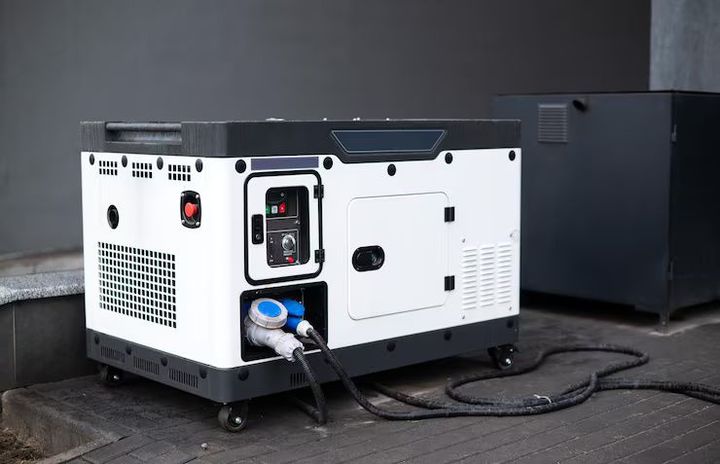
Diesel Generator Sets: Uses, Regulations, Trends and Basics
Diesel generator sets provide backup electricity when the main power supply is unavailable. Learn how they work, where they are used, recent developments, Indian regulations, and practical resources.
A diesel generator set, commonly called a diesel genset, combines a diesel engine with an electrical generator to produce electricity. The engine converts fuel energy into mechanical motion, while the generator converts that motion into electrical energy.
Diesel generator sets exist because electricity interruptions can affect homes, commercial buildings, factories, telecommunications equipment, construction sites, and critical infrastructure. A properly sized backup power generator can maintain essential electrical loads during an outage.
A typical system includes:
- Diesel engine
- Alternator
- Fuel system
- Cooling system
- Exhaust system
- Battery and starting system
- Control panel
- Protective devices
Generator capacity is commonly expressed in kW or kVA. Correct sizing requires consideration of running loads, starting loads, power factor, and the type of equipment being powered.
Common Applications
Diesel gensets can be used for emergency or standby power in locations where continuous electricity availability is important. Larger systems may support industrial equipment, data centers, commercial buildings, infrastructure projects, and telecommunications installations.
Why Diesel Generator Technology Matters
Supporting Power Continuity
Power interruptions can disrupt manufacturing processes, communication systems, computing equipment, refrigeration, security systems, and building operations. Backup generation provides an independent electricity source when the primary grid supply is interrupted.
This makes industrial backup power, standby generator systems, and emergency power generation important subjects for facility managers and infrastructure planners.
Efficiency and Load Management
Modern generator controls can monitor voltage, frequency, engine conditions, and electrical load. Automatic transfer systems can detect a grid interruption and initiate a programmed backup sequence.
Fuel efficiency also depends on factors such as engine design, operating load, maintenance condition, ambient temperature, and generator sizing. Operating a generator substantially below its intended load for extended periods can create operational challenges.
| Component | Main Function |
|---|---|
| Diesel engine | Produces mechanical power |
| Alternator | Produces electricity |
| Control panel | Monitors and controls operation |
| Cooling system | Controls engine temperature |
| Exhaust system | Directs combustion gases |
| Battery system | Starts the engine |
Recent Developments and Trends
Emission-Control Technology
During 2025 and 2026, environmental compliance remained an important consideration for generator technology in India. CPCB documentation covers emission requirements for new internal-combustion engines used in genset applications, including diesel engines and certain alternative-fuel configurations.
Recent technical development has increasingly focused on electronic engine controls, improved combustion, emission-control equipment, variable-speed operation, remote monitoring, and integration with other power sources.
Hybrid and Digital Monitoring
Generator systems are increasingly being considered alongside batteries, renewable electricity, and intelligent energy-management systems. Digital monitoring can track operating hours, load, alarms, voltage, frequency, and maintenance indicators.
These developments are particularly relevant to data center power systems, industrial generator technology, critical power infrastructure, and energy management systems.
Regulations and Policies in India
Emission Requirements
In India, diesel genset emissions are regulated under environmental rules administered through the Ministry of Environment, Forest and Climate Change and implemented through regulatory bodies including the Central Pollution Control Board.
CPCB documentation specifies emission requirements for new diesel engines up to 800 kW used in generator-set applications. Requirements include limits covering pollutants such as nitrogen oxides, hydrocarbons, carbon monoxide, particulate matter, and smoke.
Manufacturers and relevant entities must also follow applicable type-approval and conformity-of-production procedures.
Noise Requirements
Diesel generators are also subject to noise-control requirements. India's Noise Pollution (Regulation and Control) Rules, 2000 establish ambient noise standards and enforcement provisions, while CPCB maintains specific information concerning generator-set noise limits.
Local requirements can vary according to location and installation circumstances, so applicable state pollution-control requirements should also be checked.
Useful Tools and Resources
Planning and Monitoring Tools
Useful resources for understanding diesel generator sizing, generator load calculation, and backup power planning include:
- kW-to-kVA calculation worksheets
- Electrical load schedules
- Generator sizing calculators
- Fuel-consumption tracking sheets
- Preventive-maintenance checklists
- Battery inspection templates
- Runtime calculation worksheets
- Electrical safety checklists
- CPCB environmental guidance
- State pollution-control authority information
A load assessment should consider both continuous electrical demand and equipment with high starting current.
Frequently Asked Questions
What is a diesel generator set?
It is a system that uses a diesel engine to drive an electrical generator and produce electricity for standby, emergency, or other power-generation applications.
What does kVA mean for a generator?
kVA represents apparent electrical power. Generator selection also requires consideration of the expected power factor and actual electrical load.
Are diesel generators regulated in India?
Yes. New diesel engines used for genset applications are subject to applicable environmental emission requirements, while generator noise is also regulated.
What affects generator fuel consumption?
Engine design, electrical load, operating conditions, generator efficiency, maintenance condition, and fuel characteristics can all influence fuel consumption.
Why is generator sizing important?
Correct sizing helps ensure that the generator can handle normal electrical demand and equipment starting requirements without unnecessary oversizing or inadequate capacity.
Conclusion
Diesel generator sets remain an important part of backup power generation and critical infrastructure. Their role is evolving as digital monitoring, emission-control technology, variable-speed systems, batteries, and renewable energy become more integrated into modern power strategies. In India, understanding applicable emission and noise requirements is essential when planning or operating generator installations. Careful load assessment, appropriate controls, routine inspections, and awareness of current regulations can support safer and more reliable generator operation.
Disclaimer: This article is for general educational purposes and does not constitute engineering, environmental, electrical, or regulatory advice. Applicable requirements can vary by location, generator configuration, and installation conditions.