Essential Knowledge About Plastic Recycling Machines and Recycling System Functions
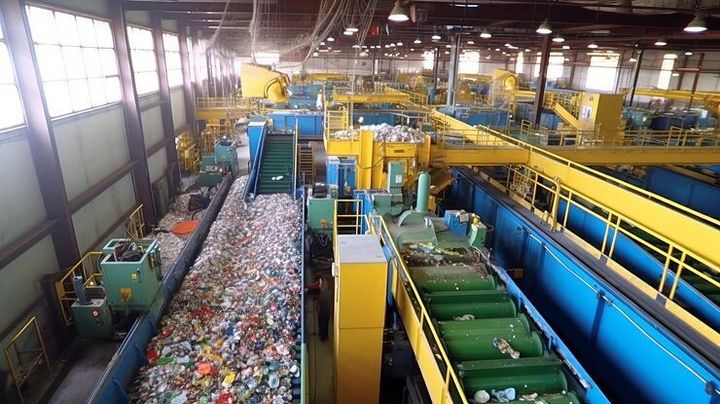
Plastic recycling machines are industrial systems designed to process used plastic materials into reusable forms for manufacturing and industrial applications. These machines handle tasks such as sorting, shredding, washing, melting, and pelletizing plastic waste to prepare it for reuse. Recycling systems are considered an important part of modern waste management because they help reduce environmental impact while supporting material recovery and sustainable production practices.
Globally, interest in plastic recycling has increased due to growing concerns about waste management, resource conservation, and environmental sustainability. According to industry data, manufacturers and waste processing facilities are increasingly investing in advanced recycling systems to improve efficiency and support circular production models. This trend reflects a broader movement toward reducing landfill waste and encouraging material reuse.
In practical applications, plastic recycling systems are used in manufacturing plants, waste management facilities, packaging industries, and material recovery operations. These systems help convert discarded plastic into reusable raw materials that can be reintroduced into production processes. As recycling technologies continue to evolve, understanding machine functions, operational stages, and industrial benefits becomes increasingly important for businesses and environmental initiatives.
Who It Affects & Problems It Solves
Plastic recycling machines affect a wide global audience, including manufacturers, recycling facilities, environmental organizations, packaging companies, and waste management operators. Industries that rely on plastic materials use recycling systems to reduce material costs and improve sustainability practices. Engineers, technicians, and technical learners also benefit from understanding how recycling systems operate.
Without efficient recycling systems, plastic waste can accumulate rapidly, creating environmental and operational challenges. Manual waste processing methods may result in inconsistent material quality, lower recovery rates, and increased labor requirements. Plastic recycling machines solve these issues by automating processing stages and improving material separation and recovery efficiency.
A common scenario involves mixed plastic waste entering disposal systems without proper sorting or treatment. This can reduce the possibility of reuse and increase environmental burden. Modern recycling systems address these problems through automated sorting, cleaning, and material preparation technologies that improve the quality of recycled plastic. These operational improvements naturally lead into recent developments in recycling technology.
Recent Updates
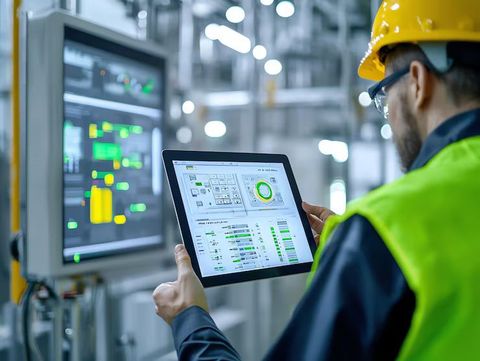
Over the past year, plastic recycling technology has advanced significantly through increased automation and digital monitoring systems. Modern recycling facilities now use sensors, artificial intelligence, and automated sorting equipment to identify different plastic types more accurately. This improves material separation and increases recycling efficiency.
Another important trend is the focus on energy-efficient recycling systems. Industry data suggests that manufacturers are developing machines that reduce power consumption while maintaining high processing capacity. This supports global sustainability goals and helps lower operational costs for recycling facilities.
Chemical recycling and advanced material recovery technologies have also gained attention. These methods aim to process difficult-to-recycle plastics into reusable raw materials through specialized conversion techniques. Although still developing in some areas, these systems represent an important direction for future recycling solutions.
Additionally, there is growing interest in compact and modular recycling machines for smaller facilities and localized waste processing operations. These systems provide flexibility and allow businesses to implement recycling practices more efficiently. These developments provide useful context for comparing major recycling machine systems and their functions.
Comparison Table
The table below compares common plastic recycling machine systems based on their primary functions and operational characteristics.
| Parameter | Shredder Machine | Washing System | Extruder Machine | Pelletizing System |
|---|---|---|---|---|
| Primary Function | Size reduction | Material cleaning | Melting and processing | Pellet formation |
| Processing Stage | Initial | Mid-stage | Advanced | Final stage |
| Automation Level | Moderate | Moderate to high | High | High |
| Energy Consumption | Moderate | Moderate | High | Moderate |
| Material Handling | Mixed plastics | Cleaned plastics | Processed plastics | Melted plastic |
| Output Type | Plastic flakes | Washed material | Molten plastic | Reusable pellets |
| Maintenance Level | Moderate | Moderate | High | Moderate |
| Production Speed | High | Moderate | Moderate to high | High |
| Industrial Role | Waste preparation | Contaminant removal | Material conversion | Raw material creation |
| Common Applications | Recycling plants | Cleaning operations | Manufacturing reuse | Plastic production |
The comparison shows that each recycling machine performs a specialized role within the overall recycling process. Together, these systems improve material recovery and support sustainable manufacturing practices. Understanding these distinctions naturally leads into practical guidance and operational considerations.
Regulations & Practical Guidance
In most countries, plastic recycling operations are subject to environmental and industrial safety standards. These regulations generally focus on waste handling, emissions management, worker safety, and responsible disposal practices. Following these guidelines helps recycling facilities maintain safe and environmentally responsible operations.
Globally, there is increasing emphasis on reducing plastic waste and encouraging recycling infrastructure development. Governments, industries, and environmental organizations are promoting systems that improve material recovery and reduce reliance on single-use plastics. Recycling facilities are also adopting better filtration and waste treatment systems to improve operational sustainability.
Regular maintenance and proper operator training are essential for recycling systems. Since recycling machines process different material types under continuous operation, preventive maintenance helps reduce equipment wear and maintain processing quality. Skilled operators are also important for monitoring machine performance and identifying material issues during production.
Which Option Suits Your Situation?
For large recycling facilities handling mixed plastic waste, integrated recycling systems with shredding, washing, extrusion, and pelletizing capabilities are generally the most suitable option. These systems support continuous processing and higher recovery efficiency.
For smaller businesses or localized recycling operations, compact shredding and washing systems may provide a practical starting point. These machines allow organizations to reduce waste volume and improve material preparation without large-scale infrastructure.
For manufacturers focused on reusing recycled materials in production, extrusion and pelletizing systems are often essential. They convert processed plastic into reusable pellets suitable for industrial applications.
For organizations prioritizing sustainability and energy efficiency, modern automated recycling systems with advanced sorting technologies may provide long-term operational benefits. Selecting the right equipment depends on waste volume, operational goals, and processing requirements. These considerations naturally lead into useful tools and resources.
Tools & Resources
Several tools and resources can help businesses and professionals better understand and manage plastic recycling systems.
Recycling Process Simulation Software — allows users to model recycling operations and optimize material flow.
Waste Sorting Technologies — support automated identification and separation of plastic materials.
Maintenance Management Systems — help track equipment performance and servicing schedules.
Environmental Monitoring Tools — assist in monitoring emissions and processing efficiency.
Technical Training Platforms — provide educational materials on recycling technologies and safety practices.
Industry Communities — enable professionals to exchange recycling insights and sustainability strategies.
These resources support informed recycling decisions and efficient system management, leading naturally into frequently asked questions.
Frequently Asked Questions
What are plastic recycling machines?
Plastic recycling machines are industrial systems used to process plastic waste into reusable materials through stages such as shredding, cleaning, melting, and pelletizing.
Why are plastic recycling systems important?
These systems help reduce waste, conserve resources, and support sustainable manufacturing by converting used plastic into reusable raw materials.
What types of plastics can be recycled?
Many commonly used plastics can be recycled, although processing methods may vary depending on the material type and contamination level.
What is a common misconception about plastic recycling?
A common misconception is that all plastic waste can be recycled easily. In reality, different plastic types require different processing methods, and contamination can affect recyclability.
How do recycling facilities maintain processing quality?
Facilities maintain quality through sorting systems, cleaning stages, automated monitoring, and regular equipment maintenance to ensure consistent material processing.
Conclusion
Plastic recycling machines play a major role in modern waste management and sustainable manufacturing by converting plastic waste into reusable materials. Their ability to automate sorting, cleaning, and processing operations supports more efficient recycling practices and improved material recovery.
For most organizations, selecting the right recycling system involves balancing processing capacity, energy efficiency, automation level, and operational goals. Careful planning and proper maintenance help improve long-term recycling performance and sustainability outcomes.
As global industries continue to focus on environmental responsibility and circular production models, plastic recycling technologies are expected to become more advanced, efficient, and widely integrated into industrial systems worldwide.