Industrial Heating and Cooling: Systems, Efficiency, and Safety Guide
Industrial heating and cooling systems help factories control temperatures, protect equipment, maintain product quality, and improve energy efficiency. Understanding their technologies, regulations, and emerging trends supports safer and more reliable industrial operations.
Industrial heating and cooling refers to the technologies used to control temperatures in factories, warehouses, processing plants, and manufacturing facilities. These systems provide heat for production processes and remove unwanted heat to maintain suitable operating conditions.
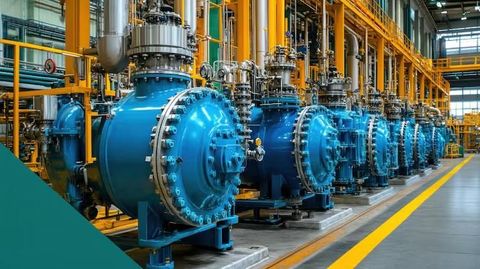
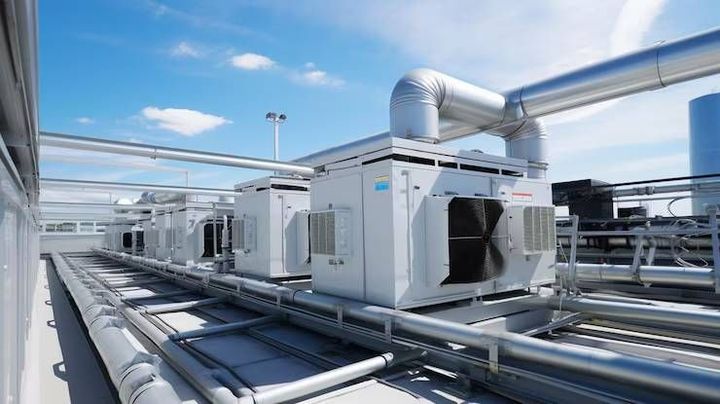
Industrial heating equipment includes industrial furnaces, process heaters, thermal oil systems, boilers, and electric heating elements. Cooling technologies include industrial chillers, cooling towers, heat exchangers, and refrigeration systems.
Different industries require different temperature ranges. Food processing facilities may need controlled refrigeration, while metal production and chemical manufacturing often depend on high-temperature equipment.
Common industrial heating and cooling technologies include:
Process heating: Provides controlled heat for manufacturing and material treatment.
Industrial chillers: Remove heat from liquids used in production equipment.
Heat exchangers: Transfer heat between fluids without necessarily mixing them.
Cooling towers: Release unwanted heat into the surrounding air.
Heat pumps: Transfer heat from one location to another using electrical energy.
Importance: Why Temperature Control Matters
Reliable temperature control is essential for industrial productivity, equipment protection, and workplace safety. Excessive heat can damage machinery, while inadequate cooling can affect production quality and cause equipment shutdowns.
These systems support several important functions.
Product quality: Stable temperatures help maintain consistent manufacturing conditions.
Energy efficiency: Properly designed systems reduce unnecessary energy consumption.
Equipment protection: Temperature monitoring helps prevent overheating and thermal stress.
Worker safety: Suitable ventilation and temperature controls improve working conditions.
Environmental performance: Efficient thermal systems can reduce energy-related emissions.
Industrial energy management is particularly important in sectors that operate continuously. Even small improvements in heating or cooling efficiency can reduce overall energy demand when maintained throughout the year.
Recent Updates: Industrial Thermal Technology Trends
During 2025 and 2026, industrial heating and cooling developments have increasingly focused on electrification, waste heat recovery, digital monitoring, and lower-emission technologies. Adoption varies by industry, location, and facility requirements.
Electrification and Industrial Heat Pumps
Industrial heat pumps are gaining attention because they can transfer available heat into useful process heat. Depending on the technology, they can support hot water, drying, washing, and selected industrial processes.
Electric boilers and induction heating systems are also relevant where electricity can replace some direct fuel combustion.
Waste Heat Recovery
Waste heat recovery captures thermal energy that would otherwise escape through exhaust gases, hot water, or industrial equipment. Recovered heat may be reused within the same facility or transferred to another process.
Digital Monitoring and Automation
Modern control systems use temperature sensors, automated controls, and energy monitoring software to identify inefficient operation. Predictive maintenance tools can help detect unusual temperature changes before they lead to equipment failure.
| Technology | Main purpose |
|---|---|
| Industrial heat pumps | Transfer heat efficiently |
| Waste heat recovery | Reuse otherwise lost thermal energy |
| Smart temperature sensors | Monitor operating conditions |
| Variable-speed drives | Adjust motor operation to demand |
| Advanced control systems | Coordinate heating and cooling |
These trends represent ongoing industry developments rather than a guarantee that every facility will achieve the same energy savings.
Laws or Policies: Industrial Energy and Safety Requirements
Industrial heating and cooling systems may be affected by energy-efficiency standards, environmental rules, workplace safety requirements, building regulations, and refrigerant controls. Applicable requirements depend on the country, equipment type, and industrial activity.
In the United States, the Environmental Protection Agency administers rules concerning refrigerants and ozone-depleting substances, including requirements associated with the transition to lower-global-warming-potential alternatives. Federal energy-efficiency requirements may also apply to certain commercial and industrial equipment.
In the European Union, the Ecodesign framework establishes energy-related product requirements for covered equipment. The EU F-gas Regulation adopted in 2024 also strengthens controls on fluorinated greenhouse gases used in refrigeration, air conditioning, and heat pumps.
In India, industrial facilities may need to consider applicable requirements under the Energy Conservation Act, 2001, and relevant Bureau of Energy Efficiency programs. Environmental permissions, boiler regulations, electrical safety requirements, and state-level rules may also apply.
Facilities should verify the latest requirements with the appropriate regulatory authority before making compliance decisions.
Tools and Resources for Industrial Thermal Management
Several general-purpose tools can help engineers, facility managers, and students understand industrial heating and cooling performance.
Thermal energy calculators: Estimate heating loads and energy requirements.
Heat exchanger calculators: Support preliminary heat-transfer calculations.
Chiller performance calculators: Compare cooling capacity with electrical input.
Energy audit templates: Record equipment ratings, operating hours, and energy consumption.
Temperature monitoring dashboards: Display temperature trends and operating alerts.
Refrigerant reference tools: Help identify refrigerant classifications and relevant environmental considerations.
Equipment maintenance checklists: Organize inspections, cleaning, and performance reviews.
Accurate calculations require reliable operating data, including fluid flow, inlet and outlet temperatures, pressure, and equipment efficiency. Complex installations should be assessed by appropriately qualified professionals.
FAQs About Industrial Heating and Cooling
What is industrial heating and cooling?
It is the use of equipment and control systems to supply or remove heat during manufacturing, processing, storage, and other industrial activities.
Which industries depend on these systems?
Food processing, pharmaceuticals, chemicals, metalworking, plastics, electronics, power generation, and many other industries use industrial temperature-control technologies.
How can industrial heating and cooling efficiency improve?
Facilities can evaluate insulation, repair leaks, maintain heat exchangers, optimize temperature settings, recover waste heat, and use automated controls where appropriate.
What is the difference between a chiller and a cooling tower?
A chiller removes heat from a liquid, usually through a refrigeration cycle. A cooling tower rejects heat from water into the atmosphere. Some facilities use both in the same cooling system.
Why is regular maintenance important?
Maintenance helps identify leaks, fouling, worn components, poor airflow, and control problems. It also supports dependable operation and helps reduce avoidable energy waste.
Conclusion
Industrial heating and cooling systems are essential to modern manufacturing, process control, and equipment reliability. Advances in electrification, heat recovery, and digital monitoring are creating additional ways to manage industrial energy use.
Understanding system requirements, monitoring performance, maintaining equipment, and following applicable regulations can help facilities make informed decisions. The most suitable approach depends on process temperatures, operating conditions, energy availability, and environmental requirements.
Disclaimer: This article is intended for general educational purposes only. Technical requirements, regulatory obligations, and equipment performance vary by location and application. Consult applicable regulations and qualified technical professionals before implementing industrial system changes.