Guide To Testing and Measurement: Methods, Standards, and Accuracy
Learn how testing and measurement support accuracy, quality control, product reliability, scientific research, and compliance with modern technical standards.
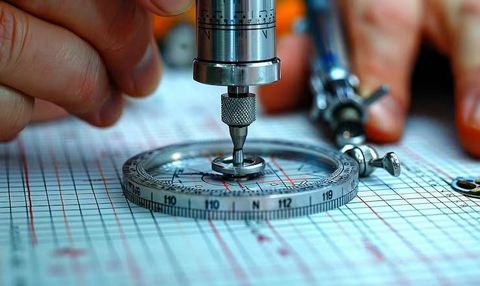
Testing and measurement are essential processes used to evaluate performance, determine physical quantities, and check whether products, materials, and systems meet established requirements. Testing examines characteristics such as strength, durability, safety, and functionality, while measurement determines values such as temperature, pressure, voltage, weight, and distance.
These processes are widely used in manufacturing, engineering, laboratories, construction, electronics, and scientific research. They help organizations understand whether equipment operates correctly and whether results meet specified standards.
Common examples include:
Measuring electrical resistance in electronic circuits.
Testing the strength of construction materials.
Monitoring pressure in industrial equipment.
Measuring temperature during laboratory experiments.
Evaluating the accuracy of industrial testing instruments.
Why Testing and Measurement Matter Today
Modern industries depend on accurate information to maintain consistent performance and identify technical problems. Even small measurement errors can affect product quality, equipment reliability, research findings, and workplace safety.
Testing and measurement also help engineers identify defects before they become serious problems. Regular inspection and calibration can reveal equipment changes that might otherwise remain unnoticed.
The main benefits include:
Quality control: Helps verify that materials and finished products meet defined specifications.
Equipment reliability: Identifies performance changes and potential faults.
Safety assessment: Supports the evaluation of machinery, electrical systems, and structural components.
Research accuracy: Improves the consistency and repeatability of experimental results.
Regulatory compliance: Provides documented evidence that applicable technical requirements have been evaluated.
Industries increasingly use digital measurement instruments, automated testing systems, and data analysis to improve consistency and reduce manual errors.
Recent Developments in Testing and Measurement
Digital Testing and Smart Instruments
During 2025 and 2026, automation, connected sensors, and software-assisted analysis have continued to shape industrial testing and measurement. Digital instruments can record readings, transfer information to monitoring systems, and help technical teams identify unusual patterns.
Artificial intelligence is also being explored for analyzing test results, identifying anomalies, and supporting predictive maintenance. However, automated findings still require suitable validation and human oversight, particularly when safety or regulatory compliance is involved.
Greater Attention to Measurement Traceability
Measurement traceability remains an important focus in laboratories and industrial environments. It establishes a documented relationship between a measurement result and recognized references through an unbroken chain of calibrations.
Organizations also continue to emphasize data integrity, instrument verification, and standardized testing procedures. These practices help make results more comparable across laboratories, facilities, and geographic regions.
The following table summarizes common developments.
Development | Main purpose |
|---|---|
Digital measurement systems | Record and organize readings |
Automated testing | Improve consistency and repeatability |
Connected sensors | Monitor changing operating conditions |
AI-assisted analysis | Identify patterns and unusual results |
Calibration management software | Track instrument accuracy and calibration history |
These are ongoing industry trends rather than a claim that every technology became mandatory during 2026.
Laws, Regulations, and Technical Standards
Measurement Rules in India
India's testing and measurement activities are influenced by several regulatory frameworks, depending on the industry and intended use.
The Legal Metrology Act, 2009, together with applicable rules, governs important aspects of weights and measures, including standards and specified measuring instruments used in regulated transactions.
The Bureau of Indian Standards Act, 2016, provides the legal framework for the development and implementation of Indian Standards and related conformity assessment activities.
Laboratories may also follow ISO/IEC 17025, an international standard covering the competence, impartiality, and consistent operation of testing and calibration laboratories.
Other relevant requirements can apply to electrical safety, environmental testing, industrial machinery, and construction materials.
Organizations should determine which rules apply to their specific equipment, industry, and activities. Not every instrument or laboratory is subject to identical certification requirements.
Tools and Resources for Testing and Measurement
Common Instruments and Digital Resources
The appropriate tool depends on the quantity being measured and the accuracy required.
Digital multimeters: Measure electrical quantities such as voltage, current, and resistance.
Oscilloscopes: Display electrical signals and help examine changes over time.
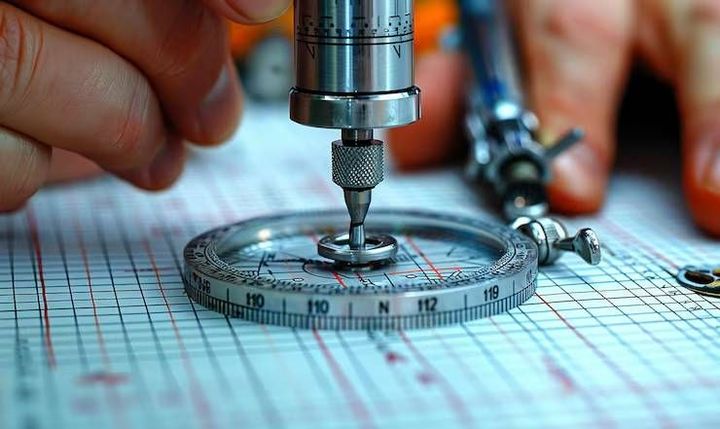
Calipers and micrometers: Measure dimensions with greater precision than ordinary rulers.
Pressure and temperature sensors: Monitor operating conditions in equipment and laboratory environments.
Data acquisition systems: Collect measurements from multiple sensors for analysis.
Calibration records: Document instrument identification, calibration dates, results, and relevant uncertainty information.
Statistical analysis tools: Help evaluate measurement variation, repeatability, and trends.
For dependable results, users should select instruments with suitable measurement ranges and uncertainty levels. Instruments must also be handled according to their operating instructions and calibrated when required.
Frequently Asked Questions
What Is the Difference Between Testing and Measurement?
Testing evaluates a characteristic or performance against a requirement. Measurement determines the numerical value of a quantity, such as temperature, voltage, or length.
Why Is Calibration Important?
Calibration establishes the relationship between an instrument's readings and reference standards. It helps identify measurement errors and supports confidence in reported results.
What Is Measurement Uncertainty?
Measurement uncertainty describes the range of values reasonably associated with a measurement result. It reflects limitations in the measurement process rather than automatically indicating that an instrument is defective.
Which Industries Use Testing and Measurement?
Manufacturing, healthcare laboratories, construction, electronics, automotive engineering, energy production, aerospace, and scientific research all use testing and measurement in different ways.
How Can Measurement Accuracy Be Improved?
Accuracy can be supported by selecting suitable instruments, following standardized procedures, maintaining stable environmental conditions, training users, and keeping calibration records.
Conclusion
Testing and measurement provide the evidence needed to evaluate quality, performance, safety, and technical reliability. Their importance continues to grow as industries adopt connected instruments, automated systems, and data-driven analysis.
Understanding measurement accuracy, calibration, uncertainty, and applicable regulations helps individuals interpret results more responsibly. By applying suitable procedures and recognized standards, organizations can improve consistency and make better-informed technical decisions.
Disclaimer: This article is intended for general educational purposes. Technical requirements and regulatory obligations vary by industry and jurisdiction. Consult applicable standards and official regulatory guidance before making compliance or safety decisions.