A Detailed Overview of Excavator Machines and Their Types and Technical Specifications
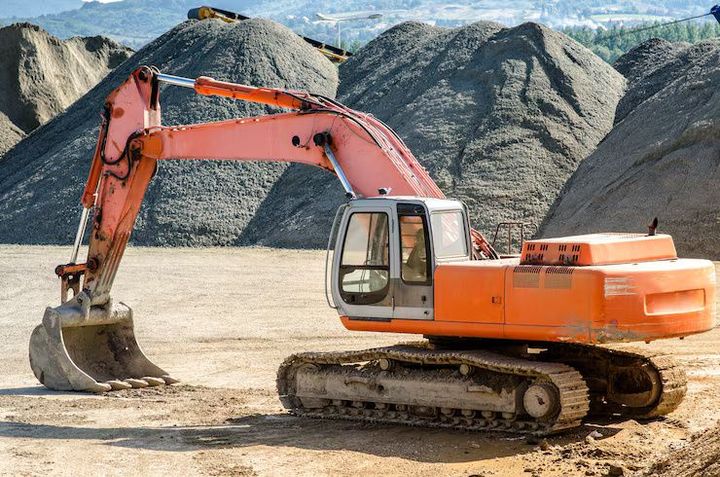
Excavator machines are heavy construction equipment designed to perform tasks such as digging, lifting, and material handling. They are commonly recognized by their long arm, bucket, rotating cab, and tracked or wheeled base. These machines are widely used in construction, mining, landscaping, and infrastructure development because they provide both power and precision in handling large volumes of material.
Globally, the demand for excavators has increased as infrastructure development and urban expansion continue to grow. According to industry data, construction equipment usage has expanded significantly due to large-scale projects and technological advancements in machinery. This has led to improvements in excavator efficiency, safety, and versatility, making them a core component in modern engineering operations.
In real-world applications, excavators are used for a variety of tasks, including trenching, demolition, grading, and lifting heavy objects. Their ability to adapt to different attachments and working conditions makes them highly versatile. As these machines become more advanced, understanding their types, specifications, and practical uses becomes essential for operators, engineers, and businesses involved in construction projects.
Who It Affects & Problems It Solves
Excavator machines impact a wide global audience, including construction companies, contractors, engineers, and equipment operators. Small business owners involved in local construction projects also rely on excavators to complete tasks efficiently. Additionally, students and professionals in engineering fields benefit from understanding how these machines operate and their role in large-scale projects.
Without proper knowledge of excavator types and specifications, many users may select machines that do not meet project requirements. This can lead to inefficiencies, higher operational costs, or delays in project completion. Excavators solve these problems by offering a range of sizes and capabilities tailored to specific tasks, from small-scale digging to heavy-duty excavation.
A common scenario involves choosing an excavator based only on size without considering factors such as engine power, bucket capacity, or terrain compatibility. For example, using a large excavator in a confined space can reduce efficiency, while using a smaller machine for heavy-duty work may increase workload and time. Understanding these factors helps avoid such mistakes and improves overall project outcomes. This leads naturally into exploring recent developments in excavator technology.
Recent Updates
Over the past year, excavator machines have seen significant advancements in technology and design. One major trend is the integration of smart systems that provide real-time data on machine performance, fuel usage, and maintenance needs. These systems help operators make informed decisions and improve efficiency on job sites.
Another important development is the focus on fuel efficiency and reduced environmental impact. Manufacturers are designing engines and hydraulic systems that consume less energy while maintaining performance. This aligns with global efforts to make construction equipment more sustainable.
Automation and semi-autonomous features are also becoming more common. Some excavators now include assistance systems that improve digging accuracy and reduce operator fatigue. These features enhance productivity and safety, especially in complex projects.
Additionally, there is a growing demand for compact excavators that can operate in tight spaces. These machines are designed for urban environments and smaller projects, offering flexibility without compromising functionality. These updates highlight the evolving nature of excavators and lead into a comparison of their types and specifications.
Comparison Table
The table below compares different types of excavator machines based on key parameters to help understand their differences and applications.
| Parameter | Crawler Excavator | Wheeled Excavator | Mini Excavator | Long Reach Excavator |
|---|---|---|---|---|
| Mobility | Tracks | Wheels | Tracks | Tracks |
| Size | Large | Medium to large | Small | Large |
| Stability | High | Moderate | Moderate | High |
| Speed | Slow | Faster | Moderate | Slow |
| Best Use | Heavy-duty digging | Urban projects | Small-scale work | Deep excavation |
| Terrain Suitability | Rough terrain | Smooth surfaces | Limited spaces | Specialized areas |
| Fuel Efficiency | Moderate | Moderate | Higher | Moderate |
| Cost Level | High | High | Lower | High |
| Versatility | High | Moderate | High | Specialized |
| Maintenance | Moderate | Moderate | Lower | Moderate |
The comparison shows that each excavator type is designed for specific tasks and environments. Crawler excavators are ideal for heavy-duty work, while mini excavators are suited for smaller projects. Understanding these differences helps in selecting the right machine and leads into practical guidance and regulations.
Regulations & Practical Guidance
In most countries, excavator machines are subject to safety and operational standards to ensure safe usage on construction sites. These standards typically cover operator training, machine maintenance, and safe handling practices. Operators are required to follow guidelines that reduce risks such as accidents or equipment failure.
Globally, there is increasing emphasis on proper training and certification for excavator operators. Skilled operators can handle machines more efficiently and safely, reducing the likelihood of errors. Regular inspection and maintenance are also essential to ensure that machines remain in good working condition.
Environmental considerations are becoming more important in excavator usage. Efforts are being made to reduce emissions and improve fuel efficiency. This includes adopting advanced engine technologies and optimizing machine performance. These practices contribute to sustainable construction and efficient resource usage.
Which Option Suits Your Situation?
For large construction projects requiring heavy digging and lifting, crawler excavators are generally the most suitable due to their stability and power. They are designed to handle demanding tasks and operate effectively on rough terrain.
For projects in urban areas or locations with limited space, wheeled or mini excavators are more appropriate. These machines offer better mobility and can operate efficiently in confined environments.
For specialized tasks such as deep excavation or working near water bodies, long reach excavators provide extended reach and flexibility. They are designed for situations where standard machines may not be sufficient.
For smaller projects or landscaping tasks, mini excavators offer a cost-effective and efficient solution. They are easy to operate and require less space, making them suitable for a variety of applications. These considerations lead into exploring tools and resources for better understanding.
Tools & Resources
Several tools and resources can help individuals and businesses better understand and manage excavator machines.
Equipment Simulation Software — allows users to practice operating excavators in a virtual environment.
Construction Planning Tools — help in organizing projects and selecting appropriate machinery.
Maintenance Management Systems — assist in tracking machine performance and scheduling servicing.
Technical Manuals — provide detailed information on machine specifications and operation.
Training Platforms — offer courses on excavator operation and safety practices.
Industry Communities — enable professionals to share knowledge and discuss best practices.
These resources support effective learning and decision-making, leading naturally into frequently asked questions.
Frequently Asked Questions
What is an excavator machine?
An excavator is a heavy construction machine used for digging, lifting, and material handling. It consists of a boom, arm, bucket, and rotating cab mounted on tracks or wheels. It is widely used in construction and engineering projects.
What are the main types of excavators?
The main types include crawler excavators, wheeled excavators, mini excavators, and long reach excavators. Each type is designed for specific tasks and environments, ranging from heavy-duty work to small-scale projects.
Are excavators regulated globally?
Yes, in most countries excavators are subject to safety and operational standards. These regulations focus on operator training, machine maintenance, and safe usage to ensure reliable performance and reduce risks.
What is a common misconception about excavators?
A common misconception is that larger excavators are always better. In reality, the choice depends on the project requirements. Using a machine that is too large or too small can reduce efficiency and increase costs.
How often should excavators be maintained?
Maintenance frequency depends on usage and operating conditions. Regular inspection and servicing are essential to ensure optimal performance and extend the lifespan of the machine.
Conclusion
Excavator machines are essential tools in modern construction and engineering, offering versatility and efficiency in a wide range of applications. Understanding their types and technical specifications helps in selecting the right machine for specific tasks.
For most users, the choice of excavator depends on factors such as project size, terrain, and required capabilities. Evaluating these factors carefully can lead to better performance and cost efficiency.
As technology continues to advance globally, excavator machines are expected to become more efficient, automated, and environmentally friendly, making it important to stay informed about ongoing developments.