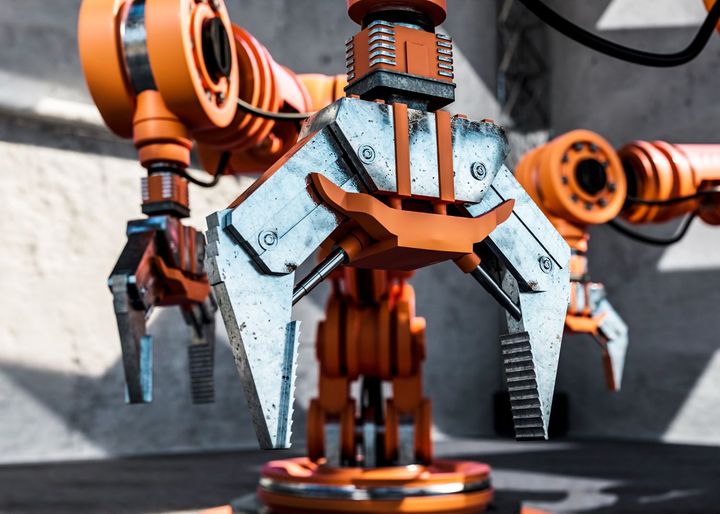
Understanding Hydraulic Power Systems: Overview, Key Components, Functions, Benefits, and Maintenance Tips
Hydraulic power systems are mechanical systems that use fluid pressure to generate, control, and transmit power. These systems rely on the principles of fluid mechanics, where force is applied through a liquid—typically oil—to perform work. This approach is widely used in hydraulic machinery systems, ranging from simple tools to complex industrial equipment.
What Hydraulic Power Systems Are and Why They Exist
The concept exists because fluids can transmit force efficiently over distance, making them ideal for applications requiring high power in compact spaces. Unlike purely mechanical or electrical systems, hydraulic fluid power systems can deliver consistent force and precise control, even under heavy loads.
Hydraulic systems are commonly found in industries such as construction, mining, manufacturing, and transportation. For example, hydraulic systems for construction equipment like excavators and cranes allow operators to lift and move heavy materials with accuracy and safety.
Importance – Why Hydraulic Systems Matter Today
Hydraulic systems play a crucial role in modern infrastructure and industrial development. Their ability to handle high loads and operate under demanding conditions makes them essential in sectors that rely on heavy machinery.
Today, industries increasingly depend on heavy equipment hydraulic systems for improved productivity and operational efficiency. These systems are especially important in:
- Large-scale construction projects
- Mining operations using hydraulic systems for mining equipment
- Manufacturing processes requiring precision and repeatability
- Automation systems integrating electro hydraulic systems
Hydraulic technology helps solve key challenges such as:
- Moving extremely heavy loads safely
- Providing smooth and controlled motion
- Operating in harsh environments where electrical systems may struggle
As industries move toward automation and efficiency, hydraulic systems remain a backbone technology that supports both traditional and modern engineering solutions.
Types – Different Types of Hydraulic Systems
Hydraulic systems can be categorized based on design, function, and control mechanisms. Each type serves specific industrial needs.
Open-Loop Hydraulic Systems
- Fluid flows from the reservoir through the system and returns after use
- Common in basic machinery and industrial tools
Closed-Loop Hydraulic Systems
- Fluid circulates continuously within a closed circuit
- Used in high-performance equipment requiring efficiency
Electro Hydraulic Systems
- Combine electrical control with hydraulic power
- Provide precision control in automation and robotics
High Pressure Hydraulic Systems
- Operate at elevated pressure levels for heavy-duty applications
- Used in mining, drilling, and large-scale lifting equipment
Mobile Hydraulic Systems
- Found in vehicles and mobile machinery
- Examples include tractors and construction vehicles
Industrial Hydraulic Systems
- Installed in fixed locations such as factories
- Used in presses, conveyors, and assembly lines
Benefits and Applications
Hydraulic systems offer several advantages that make them suitable for demanding environments.
Key Benefits
- High power density, allowing compact system design
- Smooth and precise control of motion
- Ability to handle heavy loads with ease
- Reliable performance under extreme conditions
- Flexible configuration using various hydraulic system components
Common Applications
- Construction: Excavators, loaders, cranes using hydraulic pump systems
- Mining: Drilling machines and material handling equipment
- Manufacturing: Press machines and automated production lines
- Agriculture: Tractors and harvesting equipment
- Transportation: Braking systems and lifting mechanisms
Below is a simple comparison table of hydraulic vs mechanical systems:
| Feature | Hydraulic Systems | Mechanical Systems |
|---|---|---|
| Power Transmission | Fluid-based | Gear/shaft-based |
| Load Handling | Very high | Moderate |
| Precision Control | High | Limited |
| Maintenance Complexity | Moderate | Low |
| Flexibility | High | Moderate |
Top 5 Leading Provider Company Names
Several global companies are known for developing advanced hydraulic technologies and components such as pumps, valves, and cylinders.
- Bosch Rexroth
- Parker Hannifin
- Eaton Corporation
- Danfoss Power Solutions
- Kawasaki Heavy Industries
These companies contribute to innovations in hydraulic cylinders manufacturers and advanced system integration across industries.
Recent Updates – Trends and Developments (2025–2026)
Hydraulic technology continues to evolve, driven by automation, sustainability, and digital integration.
- January 2025: Increased adoption of smart sensors in hydraulic pump systems for predictive maintenance
- March 2025: Growth in hybrid systems combining electric and hydraulic technologies for energy efficiency
- Late 2025: Expansion of eco-friendly hydraulic fluids to reduce environmental impact
- Early 2026: Integration of IoT in hydraulic machinery systems, enabling real-time monitoring and performance tracking
A simple trend visualization:
Laws or Policies – Regulations and Compliance
Hydraulic systems are subject to various regulations depending on the country and industry. In India, several guidelines influence their design and operation.
- Safety standards under the Bureau of Indian Standards (BIS)
- Environmental regulations governing fluid disposal and leakage
- Industrial safety rules under the Factories Act
- Machinery directives for workplace safety compliance
Globally, standards such as ISO 4413 (hydraulic fluid power systems) guide system design and safety practices. These regulations ensure that high pressure hydraulic systems operate safely and efficiently.
Tools and Resources – Helpful Solutions and References
Professionals and learners can access various tools and resources to understand and manage hydraulic systems effectively.
Digital Tools and Software
- Simulation software for system design and testing
- Maintenance tracking systems for equipment monitoring
- Hydraulic calculators for pressure and flow analysis
Educational Resources
- Online engineering platforms offering tutorials on hydraulic system components
- Technical manuals from manufacturers
- Industry reports on hydraulic fluid power systems
Templates and Checklists
- Maintenance schedules for hydraulic equipment
- Inspection checklists for safety compliance
- System design templates for engineers
FAQs – Common Questions About Hydraulic Power Systems
What is the main function of a hydraulic system?
A hydraulic system transmits power using pressurized fluid to perform mechanical work, such as lifting or moving heavy loads.
What are the key components of a hydraulic system?
The main components include a pump, reservoir, valves, actuators, and fluid. These elements work together to create and control motion.
Where are hydraulic systems commonly used?
They are widely used in construction, mining, manufacturing, agriculture, and transportation industries.
How often should hydraulic systems be maintained?
Maintenance frequency depends on usage, but regular inspections, fluid checks, and component servicing are essential for optimal performance.
What is the difference between hydraulic and pneumatic systems?
Hydraulic systems use liquid for power transmission, while pneumatic systems use compressed air. Hydraulic systems are better suited for heavy-duty applications.
Conclusion
Hydraulic power systems are a fundamental part of modern engineering and industrial operations. Their ability to deliver high power, precise control, and reliable performance makes them indispensable across various sectors. From hydraulic systems for construction equipment to advanced electro hydraulic systems, these technologies continue to evolve with innovations in automation and sustainability.
Understanding their components, types, and maintenance requirements helps ensure efficient and safe operation. As industries adopt smarter solutions, hydraulic systems will remain a key driver of productivity and technological progress.
Disclaimer:
This article provides general informational insights into hydraulic power systems. Any references to specifications, system configurations, or performance metrics are indicative and may vary depending on industry standards, equipment design, and operational conditions.