Industrial Water Chiller: Overview of Components, Types and Applications
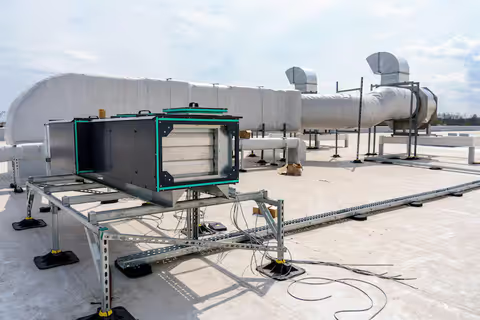
An industrial water chiller is a cooling system designed to remove heat from industrial equipment, manufacturing processes, and facilities. It helps maintain stable temperatures by circulating chilled water through machinery, production lines, or heat-generating systems.
Industries rely on water chillers to ensure equipment operates within safe temperature ranges. Excess heat can reduce efficiency, affect product quality, increase downtime, and shorten equipment lifespan. By providing consistent cooling, industrial water chillers support productivity, process stability, and energy management.
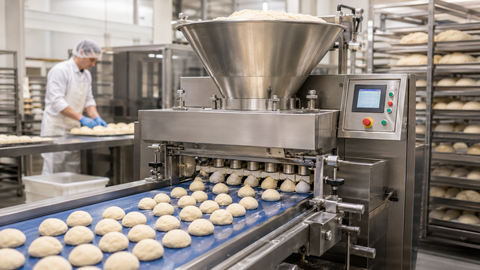
Industrial cooling systems are widely used in manufacturing plants, chemical facilities, food processing units, pharmaceutical production, data centers, and plastic molding operations.
How an Industrial Water Chiller Works
The primary purpose of an industrial water chiller is to transfer unwanted heat away from a process and release it into the surrounding environment.
The cooling cycle generally follows these steps:
- Heat is absorbed from industrial equipment or process water.
- The refrigerant inside the chiller captures the heat.
- A compressor increases refrigerant pressure and temperature.
- The condenser releases the collected heat.
- The refrigerant passes through an expansion valve.
- The evaporator cools the circulating water.
- Chilled water returns to the process for continuous cooling.
This closed-loop operation enables precise process temperature control and improves operational consistency.
Main Components of an Industrial Water Chiller
Industrial refrigeration systems consist of several critical components working together.
Key Components
- Compresses refrigerant and drives the cooling cycle.
- Transfers heat from process water to the refrigerant.
- Releases heat collected from the cooling process.
- Regulates refrigerant flow and pressure.
- Circulates chilled water through the system.
- Monitors temperatures, pressures, and operating conditions.
- Acts as the heat-transfer medium within the cooling circuit.
Modern process cooling equipment often includes smart monitoring systems, variable-speed drives, and automated diagnostics.
Types of Industrial Water Chillers
Different industries require different cooling configurations depending on environmental conditions and operational needs.
| Chiller Type | Cooling Method | Common Applications | Main Advantage |
|---|---|---|---|
| Air-Cooled Chiller | Uses ambient air to reject heat | Manufacturing facilities, commercial buildings | Easier installation |
| Water-Cooled Chiller | Uses cooling towers and water circulation | Large industrial plants | Higher efficiency |
| Scroll Chiller | Uses scroll compressors | Medium-capacity operations | Quiet operation |
| Screw Chiller | Uses screw compressors | Heavy industrial facilities | Reliable for continuous use |
| Centrifugal Chiller | Uses centrifugal compression | Large-scale cooling requirements | High cooling capacity |
Selecting the appropriate industrial cooling system depends on cooling load, facility size, environmental conditions, and efficiency requirements.
Why Industrial Water Chillers Are Important
Temperature control plays a critical role in industrial production. Even small temperature fluctuations can affect equipment performance and product quality.
Benefits of Industrial Water Chillers
- Maintains stable process temperatures
- Reduces equipment overheating
- Improves manufacturing consistency
- Extends machinery lifespan
- Enhances energy efficiency
- Supports regulatory compliance
- Reduces maintenance requirements
- Improves workplace safety
Many facilities integrate energy-efficient chillers into broader sustainability initiatives to reduce energy consumption and environmental impact.
Industrial Applications
Industrial water chillers support a wide range of sectors.
Common Use Cases
-
Plastic Injection Molding
- Controls mold temperatures and improves product consistency.
-
Food and Beverage Processing
- Maintains safe production temperatures.
-
Pharmaceutical Manufacturing
- Supports temperature-sensitive production environments.
-
Chemical Processing
- Removes excess heat generated during reactions.
-
Data Centers
- Protects servers and IT infrastructure from overheating.
-
Laser Equipment Cooling
- Maintains operating temperatures for precision systems.
-
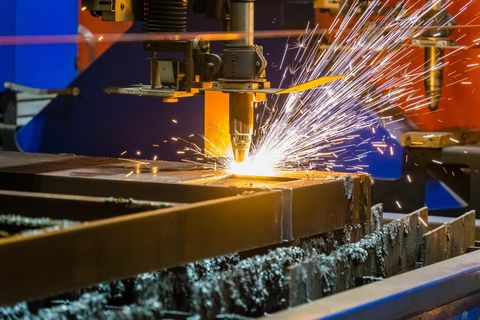
Metal Processing
- Controls temperatures during machining and fabrication.
-
Printing Operations
- Prevents heat-related production defects.
These applications demonstrate the importance of process cooling equipment across modern industries.
Energy Efficiency and Sustainability
Energy consumption is a major consideration for industrial facilities. Modern HVAC cooling solutions increasingly focus on improving efficiency while reducing environmental impact.
Energy-Saving Features
- Variable Frequency Drives (VFDs)
- Smart control systems
- Heat recovery technology
- High-efficiency compressors
- Advanced refrigerant management
- Predictive maintenance analytics
- Real-time performance monitoring
Organizations adopting energy-efficient chillers often experience lower operational energy usage and improved system reliability.
Recent Industry Developments (2025–2026)
Industrial cooling technology continues to evolve in response to sustainability goals and stricter environmental regulations.
Recent Trends
- Increased adoption of low-global-warming-potential (GWP) refrigerants during 2025 and 2026.
- Greater integration of Industrial Internet of Things (IIoT) monitoring systems.
- Expansion of predictive maintenance powered by artificial intelligence.
- Growth in smart manufacturing facilities requiring advanced process temperature control.
- Improved variable-speed compressor technologies for energy optimization.
- Wider deployment of digital twin technologies for cooling system performance analysis.
- Enhanced remote monitoring and cloud-based equipment management.
Manufacturers are increasingly focusing on reducing energy consumption while maintaining cooling performance in demanding industrial environments.
Regulations and Environmental Considerations
Industrial cooling equipment is subject to various environmental and efficiency regulations.
Important Regulatory Areas
- Refrigerant management requirements
- Energy efficiency standards
- Industrial emissions regulations
- Environmental reporting requirements
- Workplace safety standards
- Equipment maintenance documentation
In many regions, regulations encourage the transition toward environmentally responsible refrigerants and improved energy performance.
Organizations should remain informed about local, national, and international compliance requirements relevant to industrial refrigeration systems.
Useful Tools and Learning Resources
Professionals working with industrial cooling systems often use specialized tools and educational resources.
Helpful Resources
- Chiller performance monitoring software
- Building Management Systems (BMS)
- Energy management platforms
- Industrial automation systems
- Predictive maintenance software
- Refrigeration engineering manuals
- HVAC technical standards documentation
- Industrial process control training materials
- Engineering association publications
These resources support system optimization, troubleshooting, and ongoing professional development.
Maintenance Best Practices
Proper maintenance helps ensure reliable operation and long-term efficiency.
Recommended Practices
- Inspect condensers regularly
- Monitor refrigerant levels
- Check water quality and flow rates
- Clean heat exchange surfaces
- Verify sensor calibration
- Review operating logs
- Test safety controls
- Conduct periodic performance evaluations
Preventive maintenance reduces unexpected downtime and supports efficient operation throughout the equipment lifecycle.
FAQ
What is the primary purpose of an industrial water chiller?
An industrial water chiller removes excess heat from equipment and industrial processes, helping maintain stable operating temperatures and protecting machinery from overheating.
What is the difference between air-cooled and water-cooled chillers?
Air-cooled chillers use ambient air to release heat, while water-cooled chillers use water circulation and cooling towers. Water-cooled systems are generally more efficient for large-scale applications.
Which industries commonly use industrial water chillers?
Industries such as manufacturing, pharmaceuticals, food processing, chemical production, plastics processing, data centers, and metal fabrication frequently use industrial cooling systems.
How do energy-efficient chillers reduce power consumption?
They use advanced compressors, smart controls, variable-speed drives, and optimized refrigerant management to reduce unnecessary energy usage while maintaining cooling performance.
Why is temperature control important in industrial processes?
Consistent temperatures help maintain product quality, improve equipment reliability, reduce downtime, and support safe and efficient production operations.
Conclusion
Industrial water chillers are essential components of modern industrial infrastructure. They provide reliable temperature control, protect valuable equipment, improve production consistency, and support efficient operations across numerous industries. As technology advances, industrial cooling systems continue to become smarter, more energy-efficient, and environmentally responsible.
Recent developments in low-GWP refrigerants, artificial intelligence-based monitoring, predictive maintenance, and digital management platforms are shaping the future of industrial refrigeration systems. By understanding chiller types, components, applications, and maintenance requirements, organizations can make informed decisions that support operational performance, sustainability goals, and long-term reliability.