Comprehensive Guide to Crushing, Cutting, and Machining Solutions: Explore Industrial Processes, Equipment Insights, Manufacturing Tips, and Operational Best Practices
Crushing, cutting, and machining solutions are essential industrial processes used to transform raw materials into usable components, products, and structures. These manufacturing activities support industries such as construction, automotive, aerospace, mining, energy, and metalworking.
Understanding Crushing, Cutting, and Machining Solutions
Industrial operations rely on specialized equipment to reduce material size, shape metals, create precision components, and improve production efficiency. Technologies such as CNC machining services, industrial cutting equipment, industrial crushing systems, and metal fabrication equipment help manufacturers achieve consistent results while maintaining quality standards.
As manufacturing technologies continue to evolve, automation, digital monitoring, and advanced machine controls are improving productivity and operational reliability across industrial environments.
Why Crushing, Cutting, and Machining Solutions Matter
Modern manufacturing depends on accurate material processing. Whether producing automotive components, processing minerals, or fabricating structural steel, organizations require dependable equipment and efficient workflows.
These solutions affect a wide range of stakeholders:
- Manufacturing facilities
- Construction companies
- Mining operations
- Metalworking workshops
- Engineering firms
- Infrastructure projects
Common challenges addressed by these technologies include:
- Material waste reduction
- Improved production consistency
- Enhanced workplace safety
- Better dimensional accuracy
- Increased operational efficiency
- Reduced equipment downtime
The growing demand for precision machining services and industrial manufacturing solutions reflects the need for higher-quality products and more efficient production methods.
Major Types of Crushing, Cutting, and Machining Solutions
Different industries require different processing methods depending on material characteristics and production requirements.
Crushing Equipment
Industrial crushing systems are designed to reduce large materials into smaller sizes.
Common categories include:
| Crushing Equipment Type | Typical Application |
|---|---|
| Jaw Crushers | Primary rock and mineral reduction |
| Cone Crushers | Secondary material processing |
| Impact Crushers | Aggregate and construction materials |
| Hammer Crushers | Coal and soft material processing |
| Roll Crushers | Medium-hard material reduction |
Cutting Equipment
Industrial cutting equipment removes or separates material into desired shapes and dimensions.
Major examples include:
- Laser cutting systems
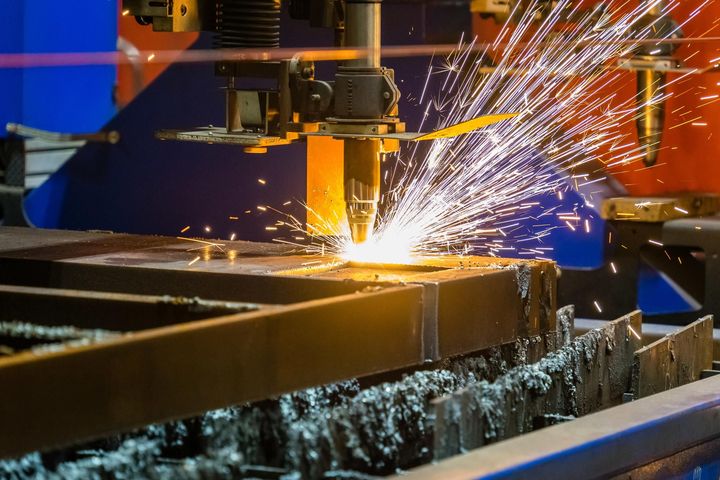
- Plasma cutting machines
- Waterjet cutting equipment
- Oxy-fuel cutting systems
- Mechanical shearing machines
Many heavy duty cutting machines are used for structural steel fabrication and large-scale industrial projects.
Machining Technologies
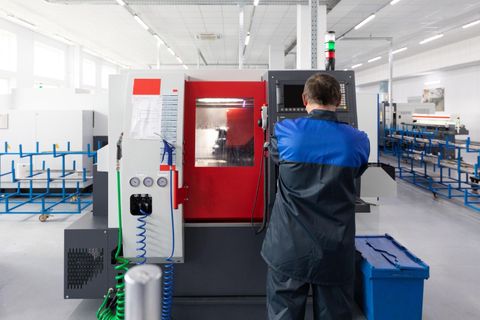
CNC machine tools have transformed modern manufacturing by enabling computer-controlled precision.
Popular machining methods include:
- CNC milling
- CNC turning
- CNC drilling
- CNC grinding
- Multi-axis machining
Precision machining services are frequently used to produce parts requiring tight tolerances and repeatable quality standards.
Metal Fabrication Equipment
Metal fabrication equipment supports forming, shaping, and assembly operations.
Examples include:
- Press brakes
- Rolling machines
- Punching systems
- Welding equipment
- Forming machines
Benefits and Applications
Crushing, cutting, and machining technologies provide numerous operational advantages.
Key Benefits
- Improved manufacturing accuracy
- Consistent product quality
- Enhanced material utilization
- Faster production cycles
- Greater process automation
- Better operational safety
- Reduced manual intervention
Industry Applications
| Industry | Common Application |
| Mining | Ore processing and material reduction |
| Construction | Aggregate production and steel fabrication |
| Automotive | Engine and transmission components |
| Aerospace | Precision structural components |
| Energy | Turbine, pipeline, and infrastructure parts |
| Manufacturing | General industrial component production |
A simplified representation of process flow is shown below:
Raw Material
↓
Crushing
↓
Cutting
↓
Machining
↓
Quality Inspection
↓
Finished Component
This workflow demonstrates how industrial manufacturing solutions convert raw materials into finished products through multiple processing stages.
Top Leading Provider Companies
Several global manufacturers are recognized for developing advanced crushing, cutting, and machining technologies.
1. Sandvik
Known for mining equipment, metal cutting machines, tooling technologies, and industrial automation solutions.
2. DMG MORI
A prominent manufacturer of CNC machine tools and advanced machining technologies.
3. Mazak
Recognized for CNC machining systems and automated manufacturing platforms.
4. Metso
Develops industrial crushing systems and material processing technologies for mining and aggregates.
5. TRUMPF
Specializes in industrial cutting equipment, laser systems, and sheet metal processing technologies.
These organizations contribute significantly to innovation in manufacturing and industrial processing.
Recent Industry Updates and Trends
The manufacturing sector has experienced several notable developments during the past year.
Increased Automation Adoption (2025–2026)
Manufacturers continue expanding the use of robotic systems, automated CNC machine tools, and digital production monitoring to improve operational efficiency.
Growth of Smart Manufacturing
Industrial facilities increasingly use connected sensors and Industrial Internet of Things (IIoT) technologies to monitor machine performance and maintenance requirements.
Sustainability Initiatives
Many equipment manufacturers have introduced energy-efficient systems designed to reduce power consumption and improve resource utilization.
Advanced Software Integration
Modern precision machining services increasingly rely on digital twins, simulation platforms, and predictive maintenance tools to improve production planning.
Expansion of Multi-Axis Machining
Five-axis and hybrid machining technologies continue gaining attention due to their ability to produce complex components with fewer setups.
Industry observers expect these trends to continue influencing manufacturing investments through 2026 and beyond.
Laws, Regulations, and Government Policies
Industrial processing activities are influenced by safety, environmental, and operational regulations.
Workplace Safety Standards
Many countries require compliance with occupational safety regulations covering:
- Machine guarding
- Operator training
- Personal protective equipment
- Hazard communication
- Emergency response procedures
Environmental Regulations
Industrial facilities may be subject to requirements related to:
- Dust emissions
- Noise control
- Waste management
- Energy efficiency
- Water usage
Manufacturing Quality Standards
Organizations often follow internationally recognized standards such as:
- ISO 9001 Quality Management
- ISO 14001 Environmental Management
- ISO 45001 Occupational Health and Safety
Government Manufacturing Programs
Various countries continue supporting advanced manufacturing through:
- Industrial modernization initiatives
- Technology adoption programs
- Smart factory development efforts
- Research and innovation funding
Specific requirements vary depending on jurisdiction and industry sector.
Helpful Tools and Resources
Professionals working with crushing, cutting, and machining solutions frequently use the following resources.
Engineering and Design Software
- Computer-Aided Design (CAD) platforms
- Computer-Aided Manufacturing (CAM) software
- Simulation and modeling tools
Manufacturing Calculators
- Cutting speed calculators
- Feed rate calculators
- Material removal rate calculators
- Tool life estimation calculators
Industry Resources
- Manufacturing standards organizations
- Technical engineering publications
- Equipment maintenance guides
- Industrial safety resources
Operational Templates
- Preventive maintenance schedules
- Equipment inspection checklists
- Production planning templates
- Quality control documentation
These resources help improve operational planning and equipment management.
Frequently Asked Questions
What are CNC machining services?
CNC machining services involve computer-controlled manufacturing processes that remove material from a workpiece to create precise shapes and dimensions.
What is the difference between crushing and machining?
Crushing reduces material size, typically for mining or aggregate applications, while machining creates finished parts with precise dimensions and surface finishes.
Why is industrial cutting equipment important?
Industrial cutting equipment enables accurate material separation and shaping, helping improve manufacturing quality and production efficiency.
What industries commonly use metal fabrication equipment?
Construction, automotive, aerospace, energy, transportation, and industrial manufacturing sectors frequently use metal fabrication equipment.
How does automation affect machining operations?
Automation improves consistency, reduces manual intervention, enhances productivity, and supports real-time monitoring of manufacturing processes.
Conclusion
Crushing, cutting, and machining solutions form the foundation of modern industrial production. From industrial crushing systems used in mining to advanced CNC machine tools used in precision manufacturing, these technologies enable efficient material processing across numerous sectors.
As automation, smart manufacturing, and sustainability initiatives continue evolving, organizations are increasingly adopting advanced industrial manufacturing solutions to improve productivity and operational performance. Understanding the different equipment types, applications, regulations, and emerging trends helps industry professionals make informed decisions while supporting safe and efficient manufacturing practices.
Informational Disclaimer: Equipment specifications, operational capabilities, technology features, productivity estimates, and package-related information may vary by manufacturer, model, region, regulatory requirements, and industry application. The information provided in this article is for informational purposes only.