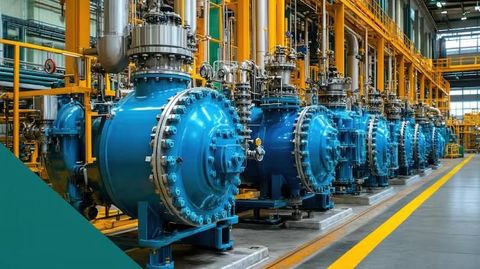
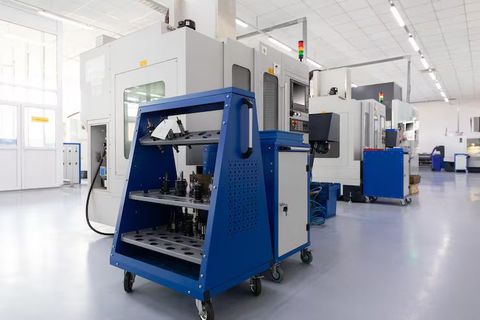
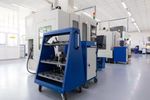
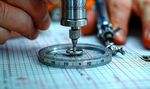
The importance of understanding machinery components has increased as industrial systems become more advanced and interconnected. Proper knowledge of component functions helps improve maintenance, troubleshooting, and operational efficiency.
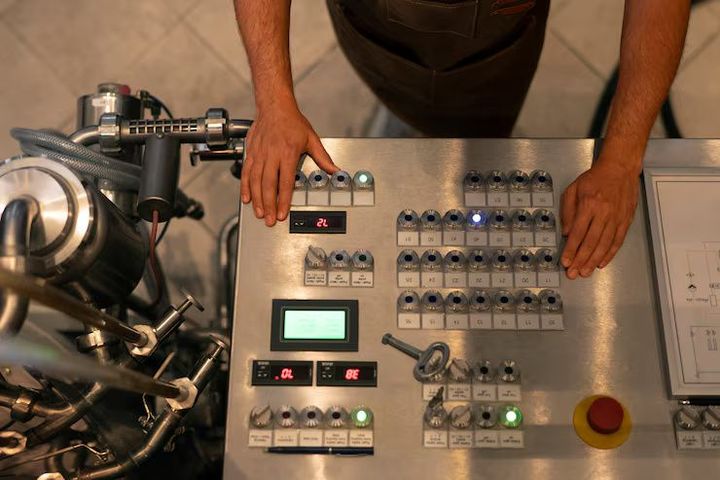
Recent trends include smart sensors, predictive maintenance technologies, and automation systems integrated into industrial machinery. These innovations allow real-time monitoring and early fault detection. Understanding machinery components and system functions is essential for engineers, operators, and maintenance teams.
Who It Affects and What Problems It Solves
Machinery component knowledge is relevant for engineers, maintenance technicians, machine operators, and industrial planners. These professionals depend on reliable equipment performance.
Without understanding component functions, troubleshooting and maintenance can become difficult, leading to downtime and inefficiency.
Problems It Helps Solve
-
Equipment breakdowns and failures
-
Difficulty identifying faulty parts
-
Inefficient maintenance practices
-
Reduced system performance
-
Increased downtime and repair costs
-
Safety risks due to malfunctioning components
Recent Updates and Trends
In the past year, machinery systems have evolved with the integration of IoT sensors and digital monitoring platforms. These tools provide real-time insights into equipment health and performance.
Predictive maintenance systems use data analytics to forecast component wear and prevent unexpected failures. This improves reliability and reduces downtime.
Energy-efficient motors and smart drives are becoming more common to reduce power consumption and improve performance.
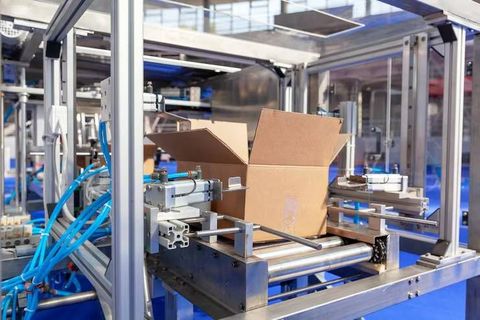
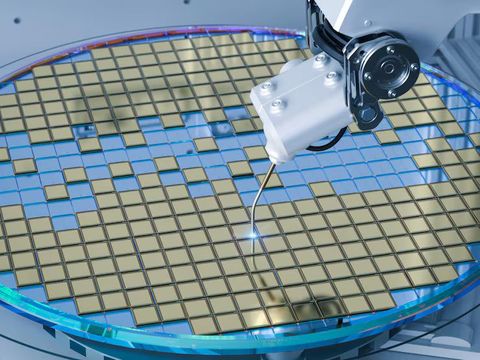
Automation and robotics are increasing the use of advanced control systems and precision components. These developments improve accuracy and productivity.
Sustainability is also influencing machinery design, with longer-lasting and recyclable components gaining attention.
Common Machinery Components and Their Functions
| Component | Description | Function | Outcome |
|---|
| Motor | Converts electrical energy to motion | Drive movement | Mechanical power |
| Gear | Transfers and adjusts torque | Power transmission | Speed control |
| Bearing | Supports rotating parts | Reduce friction | Smooth operation |
| Shaft | Rotating element | Transmit motion | Power transfer |
| Pump | Moves fluids | Fluid handling | Flow control |
| Valve | Controls fluid direction or pressure | Regulation | Process control |
| Sensor | Detects conditions | Monitoring | Automation |
These components form the foundation of industrial systems.
Mechanical System Components
| Component Type | Description | Application | Result |
|---|
| Belts and Pulleys | Transfer motion | Conveyors and drives | Flexibility |
| Chains and Sprockets | Heavy-duty power transfer | Industrial machinery | Durability |
| Couplings | Connect shafts | Rotational systems | Alignment |
| Springs | Store and release energy | Shock absorption | Stability |
These parts support mechanical movement.
Electrical and Control Components
| Component | Description | Purpose | Outcome |
|---|
| PLC | Programmable logic controller | Automation | Efficient control |
| Relay | Electrical switching device | Circuit control | Safety |
| Inverter | Controls motor speed | Energy efficiency | Precision |
| Circuit Breaker | Protects systems | Prevent overload | Safety |
These components improve automation and protection.
Fluid Power Components
| Component | Description | Application | Benefit |
|---|
| Hydraulic Cylinder | Produces linear motion | Heavy lifting | High force |
| Pneumatic Actuator | Uses compressed air | Fast movement | Efficiency |
| Compressor | Supplies air pressure | Pneumatic systems | Reliable operation |
| Filter | Removes contaminants | Fluid and air systems | Protection |
These components support fluid-based operations.
Performance Factors and Optimization
| Factor | Description | Importance | Result |
|---|
| Durability | Resistance to wear | Long lifespan | Reduced replacement |
| Efficiency | Optimal energy use | Lower costs | Productivity |
| Precision | Accurate performance | Quality output | Consistency |
| Maintenance | Ease of servicing | Reduced downtime | Reliability |
| Compatibility | Fit with existing systems | Seamless integration | Flexibility |
Optimizing these factors improves performance.
Maintenance and Best Practices
Proper maintenance ensures machinery components operate efficiently. Regular inspections help identify wear and potential failures early.
Lubrication reduces friction and extends the life of bearings and gears. Cleaning components prevents contamination and improves performance.
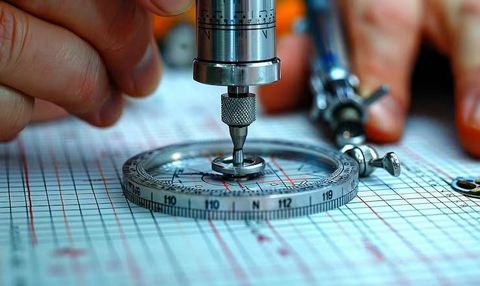
Calibration of sensors and control systems ensures accuracy. Replacing worn parts on time reduces the risk of major failures.
Training operators in proper equipment handling also improves component longevity.
Applications Across Industries
Machinery components are used across multiple sectors.
Manufacturing relies on motors, gears, and conveyors for production. Construction equipment uses hydraulic systems and heavy-duty mechanical parts.
Food processing plants depend on pumps, valves, and sensors for automation. Energy and utility sectors use turbines, compressors, and control systems.
These applications highlight the importance of machinery components.
Laws and Policies Related to Industrial Equipment
Industrial machinery must comply with safety and quality regulations. These standards ensure reliable and safe operation.
In India, machinery standards are guided by the Bureau of Indian Standards and industrial safety regulations.
Practical Guidance Table
| Situation | Recommended Approach | Practical Benefit |
|---|
| Frequent Failures | Use predictive monitoring | Early detection |
| High Energy Use | Install efficient motors | Savings |
| Automation Needs | Upgrade control systems | Productivity |
| Maintenance Planning | Schedule routine inspections | Reliability |
Tools and Resources for Machinery Management
Various tools and systems support machinery maintenance and operation.
Common Tools and Resources
-
Diagnostic software
-
Monitoring systems
-
Maintenance management tools
-
Calibration instruments
-
Training programs
Tools Comparison Table
| Tool Type | Functionality | Best Use Case |
|---|
| Monitoring Systems | Track performance | Predictive maintenance |
| Diagnostic Tools | Identify issues | Troubleshooting |
| Maintenance Software | Schedule tasks | Planning |
| Calibration Tools | Ensure accuracy | Precision |
| Training Platforms | Improve skills | Workforce development |
Frequently Asked Questions
What are machinery components?
They are individual parts that help machines perform specific functions.
Why are bearings important?
They reduce friction and support rotating parts.
What is the role of sensors?
Sensors monitor conditions and support automation.
How can maintenance improve machinery life?
Regular care prevents failures and extends lifespan.
Which industries use machinery components?
Manufacturing, construction, energy, and many others.
Conclusion
Machinery components are essential for the operation of industrial equipment and systems. Understanding their functions helps improve maintenance, efficiency, and reliability.
Recent advancements in smart monitoring, automation, and predictive maintenance have enhanced machinery performance. These developments support better productivity and reduced downtime.
A data-driven approach indicates that proper component selection, regular maintenance, and system optimization are key to successful operations. By applying these practices, industries can improve equipment performance and operational efficiency.