Industrial Machinery and Equipment Overview and Industrial Applications
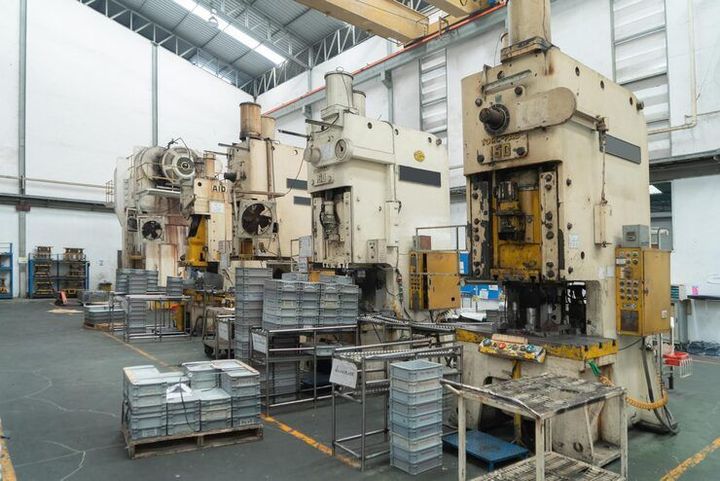
Industrial machinery and equipment form the foundation of modern manufacturing, processing, construction, energy production, and logistics operations. These machines are designed to perform specific tasks that improve productivity, consistency, precision, and operational efficiency across a wide range of industries.
From automated assembly lines and packaging systems to heavy-duty construction machinery and advanced robotic systems, industrial equipment helps organizations handle large-scale production requirements while maintaining quality standards. As industries continue to evolve, machinery has become increasingly sophisticated, integrating digital technologies, automation, and data-driven decision-making capabilities.
Industrial machinery plays a vital role in supporting economic development by enabling efficient production processes, reducing manual labor requirements, and enhancing workplace safety.
How Industrial Machinery and Equipment Work
Industrial machinery operates through a combination of mechanical, electrical, hydraulic, pneumatic, and digital systems. These components work together to perform tasks such as cutting, forming, lifting, transporting, packaging, processing, and assembling materials.
Modern equipment often incorporates programmable control systems that allow operators to monitor and manage operations with greater accuracy. Sensors collect operational data, while control units analyze information and adjust machine performance based on predefined parameters.
The integration of industrial automation systems enables machines to perform repetitive tasks with minimal human intervention. This improves consistency and helps reduce production errors.
Key Types of Industrial Machinery and Equipment
| Equipment Type | Primary Function | Common Industries |
|---|---|---|
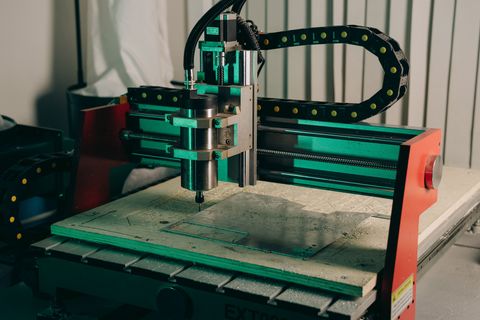
| CNC Machines | Precision cutting and machining | Manufacturing, Aerospace |
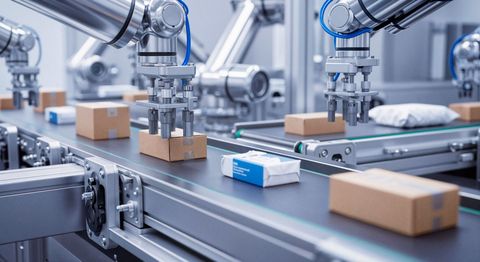
| Industrial Robots | Automated assembly and handling | Automotive, Electronics |
| Conveyors | Material transportation | Logistics, Warehousing |
| Packaging Equipment | Product packaging and labeling | Food Processing, Consumer Goods |
| Pumps and Compressors | Fluid and gas movement | Energy, Chemical Processing |
| Construction Machinery | Excavation and material handling | Construction, Mining |
| Industrial Boilers | Heat and steam generation | Manufacturing, Utilities |
| Material Handling Equipment | Lifting and transportation | Warehousing, Distribution |
Importance of Industrial Machinery in Modern Industries
Industrial machinery contributes significantly to productivity and operational excellence. Advanced equipment allows manufacturers and industrial operators to meet growing demand while maintaining quality and safety requirements.
Key Benefits
- Increased production efficiency
- Improved product consistency
- Enhanced workplace safety
- Reduced operational downtime
- Better resource utilization
- Higher manufacturing precision
- Support for large-scale production
- Improved monitoring and control capabilities
Industries that adopt modern machinery often achieve better operational performance and greater adaptability to changing market conditions.
Major Components Found in Industrial Equipment
Industrial machinery consists of multiple interconnected systems that ensure reliable operation.
Essential Components
- Electric motors and drives
- Hydraulic systems
- Pneumatic systems
- Control panels
- Programmable Logic Controllers (PLCs)
- Sensors and monitoring devices
- Gearboxes and transmission systems
- Safety mechanisms
- Human-machine interfaces (HMIs)
- Industrial networking equipment
These components work together to deliver accurate and efficient machine performance across various industrial applications.
Real-World Applications
Industrial machinery is used in nearly every major economic sector.
Manufacturing
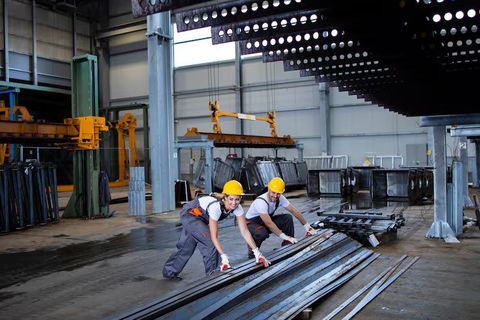
- Metal fabrication
- Automotive assembly
- Electronics production
- Plastic molding
- Textile manufacturing
Construction
- Earthmoving operations
- Road development
- Building construction
- Infrastructure projects
Energy and Utilities
- Power generation
- Renewable energy production
- Oil and gas processing
- Water treatment facilities
Agriculture
- Crop harvesting
- Irrigation management
- Food processing
- Agricultural packaging
Logistics and Warehousing
- Automated storage systems
- Material transport
- Inventory management
- Distribution operations
These applications demonstrate the broad impact of industrial equipment on global production and supply chains.
Problems Industrial Machinery Helps Solve
Without advanced machinery, many industries would struggle to maintain production efficiency and quality standards.
Common Challenges Addressed
- Labor-intensive production processes
- Production bottlenecks
- Inconsistent product quality
- Material waste
- Workplace safety risks
- Equipment reliability concerns
- High operational complexity
- Production scalability limitations
Industrial engineering equipment helps organizations overcome these challenges through automation, precision, and continuous operational monitoring.
Industrial Automation and Smart Manufacturing
The adoption of smart manufacturing solutions has transformed industrial operations. Connected machinery enables real-time monitoring, predictive maintenance, and improved decision-making.
Industrial Internet of Things (IIoT) technologies allow equipment to collect and transmit operational data. This information helps operators identify inefficiencies, monitor equipment health, and optimize production processes.
Factory automation technology continues to expand across industries as organizations seek improved operational performance and greater flexibility.
Technologies Driving Automation
- Artificial Intelligence (AI)
- Machine Learning
- Industrial IoT
- Digital Twins
- Cloud-based monitoring platforms
- Edge computing
- Advanced robotics
- Computer vision systems
These technologies support more intelligent and responsive industrial environments.
Recent Trends and Developments (2025–2026)
Industrial machinery continues to evolve rapidly due to advancements in automation, sustainability, and digital transformation.
Key Industry Developments
- Increased adoption of AI-powered predictive maintenance systems throughout 2025.
- Expanded use of collaborative robots (cobots) working alongside human operators.
- Greater implementation of digital twin technology for equipment simulation and performance analysis.
- Growth in energy-efficient industrial equipment designed to reduce power consumption.
- Wider deployment of smart sensors for real-time equipment monitoring.
- Enhanced cybersecurity measures protecting connected industrial systems.
- Increased use of machine vision for quality inspection and defect detection.
- Continued integration of cloud-based industrial equipment management platforms during 2025 and early 2026.
These developments are helping organizations improve productivity while supporting sustainability objectives.
Regulations and Industry Standards
Industrial machinery must comply with various safety, environmental, and operational requirements.
Important Regulatory Areas
- Workplace safety regulations
- Machinery guarding requirements
- Electrical safety standards
- Environmental compliance guidelines
- Energy efficiency requirements
- Equipment inspection protocols
- Occupational health standards
- Industrial emissions controls
Common International Standards
- ISO 9001 for quality management
- ISO 14001 for environmental management
- ISO 45001 for occupational health and safety
- IEC electrical safety standards
- Machinery safety standards used across manufacturing sectors
Compliance helps ensure safe operation and supports consistent manufacturing practices.
Useful Tools, Platforms, and Learning Resources
Professionals working with industrial machinery often rely on specialized tools and educational resources.
Industrial Software Platforms
- Computer-Aided Design (CAD) software
- Computer-Aided Manufacturing (CAM) software
- Manufacturing Execution Systems (MES)
- Enterprise Resource Planning (ERP) platforms
- Industrial monitoring dashboards
- Predictive maintenance platforms
- Asset management systems
Learning Resources
- Industrial engineering courses
- Manufacturing technology publications
- Technical standards documentation
- Automation training programs
- Equipment manufacturer manuals
- Industry conferences and webinars
- Professional engineering associations
Continuous learning is essential because industrial technology continues to evolve rapidly.
Maintenance and Equipment Reliability
Effective maintenance is critical for maximizing machinery performance and minimizing operational disruptions.
Best Practices
- Scheduled preventive maintenance
- Condition-based monitoring
- Lubrication management
- Equipment inspection programs
- Vibration analysis
- Thermal imaging inspections
- Spare parts planning
- Maintenance record tracking
Machine maintenance systems help organizations extend equipment lifespan and improve reliability.
Frequently Asked Questions
What is industrial machinery and equipment?
Industrial machinery and equipment refer to machines, tools, and systems used in manufacturing, construction, energy production, logistics, and other industrial activities to perform specific operational tasks efficiently.
Why is industrial automation important?
Industrial automation improves productivity, consistency, safety, and operational efficiency by reducing manual intervention and enabling machines to perform repetitive tasks with greater accuracy.
What industries use industrial machinery?
Industrial machinery is widely used in manufacturing, construction, agriculture, mining, energy production, logistics, warehousing, food processing, and chemical processing industries.
What is predictive maintenance?
Predictive maintenance uses sensors, data analytics, and monitoring technologies to identify potential equipment issues before failures occur, helping reduce downtime and maintenance disruptions.
How is artificial intelligence used in industrial equipment?
Artificial intelligence supports predictive maintenance, quality inspection, process optimization, equipment monitoring, and automated decision-making in modern industrial environments.
Conclusion
Industrial machinery and equipment are essential components of modern industrial operations. They enable efficient production, improve workplace safety, enhance product quality, and support large-scale manufacturing activities across numerous sectors. Advances in industrial automation systems, smart manufacturing solutions, artificial intelligence, and connected technologies continue to reshape how machinery operates and how organizations manage production processes.
As industries move toward greater digitalization and sustainability, industrial equipment will remain a critical driver of innovation, productivity, and economic growth. Understanding machinery types, applications, maintenance practices, regulatory requirements, and emerging trends helps professionals make informed decisions and adapt to the evolving industrial landscape.