Jump to a Chapter

AI-Powered CNC Machines Knowledge Hub: Intelligent Manufacturing, Automation, and Future Industry Perspectives

AI-Powered CNC Machines Knowledge Hub: Intelligent Manufacturing, Automation, and Future Industry Perspectives

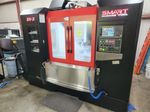
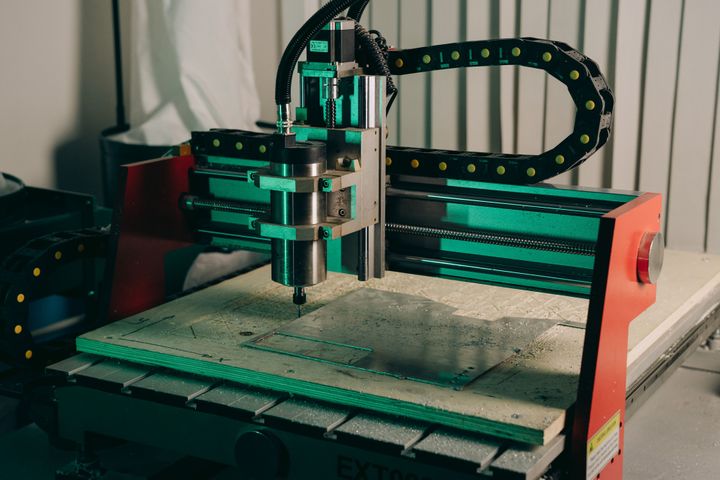
Computer Numerical Control (CNC) machines are automated manufacturing systems that use programmed instructions to control machining operations such as cutting, drilling, milling, turning, engraving, and shaping materials. These machines play a vital role in industries including aerospace, automotive, medical device manufacturing, electronics, energy, and precision engineering.

In recent years, artificial intelligence (AI) has become increasingly integrated into CNC technology. AI-powered CNC systems combine traditional machine control with advanced data analytics, machine learning algorithms, sensor technologies, and automation tools to improve operational visibility and manufacturing efficiency.

The integration of AI into CNC machining represents an important step in the broader movement toward Industry 4.0 and smart manufacturing environments.

Why AI-Powered CNC Machines Matter Today

Modern manufacturing facilities face growing demands for precision, consistency, productivity, and operational flexibility.

AI-powered CNC technologies contribute to discussions surrounding:

  • Intelligent manufacturing
  • Smart factory development
  • Production optimization
  • Quality management
  • Predictive maintenance
  • Resource efficiency
  • Digital transformation
  • Industrial automation

As manufacturing systems become increasingly connected, AI technologies help support more informed operational decision-making.

How Traditional CNC Machines Work

Traditional CNC systems operate using programmed instructions known as G-code.

A typical workflow includes:

  1. Digital design creation
  2. Toolpath generation
  3. Program loading
  4. Machine execution
  5. Material processing
  6. Quality inspection

This process enables precise and repeatable manufacturing operations across a wide range of applications.

What Makes a CNC Machine AI-Powered?

AI-powered CNC machines incorporate technologies that allow systems to analyze data, identify patterns, and support automated decision-making.

Common AI-related capabilities include:

  • Machine learning algorithms
  • Sensor-based monitoring
  • Predictive analytics
  • Adaptive machining
  • Automated quality analysis
  • Production optimization
  • Intelligent scheduling
  • Real-time performance monitoring

These technologies help transform CNC systems from purely programmed machines into data-driven manufacturing platforms.

Core Technologies Behind Intelligent CNC Systems

Several technologies work together within modern AI-enabled manufacturing environments.

TechnologyPrimary Function
Artificial IntelligenceData analysis and optimization
Machine LearningPattern recognition
Industrial IoTData collection
Machine VisionAutomated inspection
Cloud ComputingData processing
Digital TwinsVirtual system modeling

These technologies form the foundation of intelligent manufacturing systems.

Predictive Maintenance and Equipment Monitoring

One of the most discussed applications of AI in manufacturing is predictive maintenance.

Predictive maintenance systems may analyze:

  • Vibration data
  • Temperature readings
  • Tool wear indicators
  • Motor performance
  • Production cycle information
  • Machine operating conditions

The goal is to identify potential maintenance requirements before unplanned downtime occurs.

Adaptive Machining Technologies

Adaptive machining refers to systems that can respond dynamically to changing operating conditions.

Examples may include:

  • Tool path optimization
  • Feed rate adjustments
  • Cutting parameter refinement
  • Material response analysis
  • Process consistency monitoring

These capabilities help support precision manufacturing operations.

Machine Vision and Quality Inspection

Machine vision systems use cameras, sensors, and software to evaluate manufactured components.

Applications include:

  • Surface inspection
  • Dimensional verification
  • Defect detection
  • Quality analysis
  • Production monitoring

AI-enhanced vision systems can help process large volumes of inspection data efficiently.

Industrial IoT and Connected Manufacturing

Industrial Internet of Things (IIoT) technologies enable CNC machines to communicate with broader manufacturing networks.

Connected systems may support:

  • Real-time monitoring
  • Remote diagnostics
  • Equipment analytics
  • Production tracking
  • Operational reporting
  • Asset management

These capabilities contribute to greater visibility across manufacturing operations.

Digital Twins in CNC Manufacturing

Digital twins are virtual representations of physical manufacturing systems.

Potential applications include:

  • Process simulation
  • Equipment performance analysis
  • Operational planning
  • Maintenance forecasting
  • Manufacturing optimization

Digital twin technologies are increasingly discussed within smart factory initiatives.

Examples of Industry Participants

The CNC and industrial automation sector includes numerous organizations involved in machine manufacturing, robotics, software development, and automation technologies.

Examples frequently referenced in manufacturing discussions include:

These organizations are mentioned solely as examples of participants within the manufacturing technology ecosystem. Their inclusion does not represent endorsements, rankings, recommendations, or procurement guidance.

Recent Industry Trends (2025–2026)

Several developments continue influencing intelligent manufacturing.

Current trends include:

  • Expansion of AI-assisted machining
  • Greater use of machine learning algorithms
  • Increased predictive maintenance adoption
  • Growth of digital twin technologies
  • Enhanced machine connectivity
  • Advanced robotics integration
  • Real-time production analytics
  • Smart factory modernization initiatives

These trends reflect ongoing digital transformation throughout the manufacturing sector.

Sustainability and Operational Efficiency

Manufacturers increasingly focus on resource optimization and operational efficiency.

Areas of development include:

  • Energy monitoring systems
  • Material utilization improvements
  • Process optimization tools
  • Reduced waste generation
  • Smart production scheduling
  • Equipment performance analytics

These initiatives align with broader sustainability and operational goals.

Regulations and Industry Standards

Manufacturing technologies commonly operate within established regulatory and technical frameworks.

Examples include:

  • Workplace safety regulations
  • Machinery safety standards
  • Industrial cybersecurity guidelines
  • Quality management standards
  • Environmental compliance requirements
  • Automation safety frameworks

Specific requirements vary according to jurisdiction, industry, and application.

Tools and Resources

Individuals interested in learning more about AI-powered CNC technologies may explore:

  • CAD software platforms
  • CAM programming resources
  • Manufacturing analytics systems
  • Industrial automation publications
  • Digital twin learning materials
  • Predictive maintenance resources
  • Industrial IoT educational platforms
  • Smart manufacturing research reports

These resources help support understanding of modern manufacturing technologies.

Comparison of Traditional and AI-Enhanced Manufacturing Functions

Manufacturing FunctionTraditional CNCAI-Enhanced CNC
Machine OperationProgram-drivenData-assisted
MonitoringManual reviewReal-time analytics
Maintenance PlanningScheduled maintenancePredictive analysis
Quality InspectionSampling methodsAutomated analytics
Process OptimizationOperator adjustmentsAI-supported insights

This comparison illustrates how AI technologies are expanding manufacturing capabilities.

Frequently Asked Questions

What is an AI-powered CNC machine?

An AI-powered CNC machine combines traditional CNC control systems with artificial intelligence, data analytics, sensors, and automation technologies to support intelligent manufacturing processes.

How does predictive maintenance work?

Predictive maintenance uses machine data and analytics to identify patterns that may indicate future maintenance requirements.

What is a digital twin?

A digital twin is a virtual model of a physical machine or manufacturing system used for analysis, simulation, and monitoring.

Can AI improve manufacturing quality?

AI technologies can assist with inspection, process monitoring, data analysis, and production optimization within manufacturing environments.

What role does Industrial IoT play in CNC machining?

Industrial IoT enables machines, sensors, and systems to exchange operational data for monitoring, reporting, and analytics purposes.

Conclusion

AI-powered CNC machines represent an important development in the evolution of modern manufacturing. By integrating artificial intelligence, machine learning, Industrial IoT, predictive maintenance systems, digital twins, and advanced analytics, these technologies contribute to smarter and more connected production environments.

As Industry 4.0 initiatives continue expanding across manufacturing sectors, AI-enabled CNC systems are expected to play an increasingly important role in operational efficiency, automation, and intelligent decision-making. Understanding these technologies provides valuable insight into the future of industrial manufacturing and digital transformation.

Disclaimer

This article is intended solely for informational and educational purposes. It does not promote, endorse, recommend, compare, rank, market, or encourage the acquisition or use of any machine, software platform, technology provider, manufacturer, or automation solution. Company names are included only as examples of organizations participating in the manufacturing technology sector. This content should not be considered engineering, technical, financial, operational, regulatory, cybersecurity, manufacturing, or professional advice. Readers should consult qualified professionals regarding specific manufacturing, automation, compliance, or technology-related matters.

author-image

Ravi Shankar Maurya

We create purposeful content that speaks, resonates, and drives action.

June 05, 2026 . 7 min read