Steel Fabrication Manufacturing Explained: Processes, Technologies & Industrial Construction Applications
Steel fabrication manufacturing is the industrial process of cutting, shaping, assembling, and finishing steel materials to create structures, machinery components, and construction systems. Fabricated steel products are widely used in industrial construction, transportation infrastructure, manufacturing plants, warehouses, bridges, energy facilities, and commercial buildings.
Steel fabrication developed alongside industrial growth and modern construction methods. Early metalworking relied on manual forging and shaping techniques, while current fabrication facilities use automated cutting machines, robotic welding systems, CNC equipment, and digital design technologies. Today, steel fabrication manufacturing supports large-scale infrastructure projects and industrial production across multiple sectors.
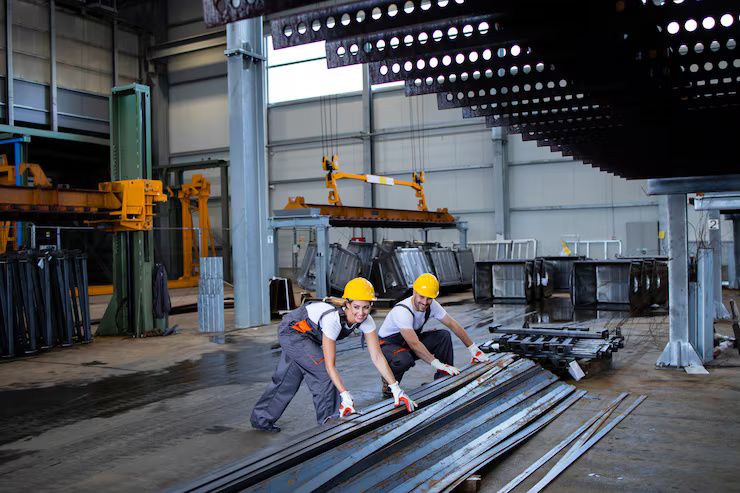
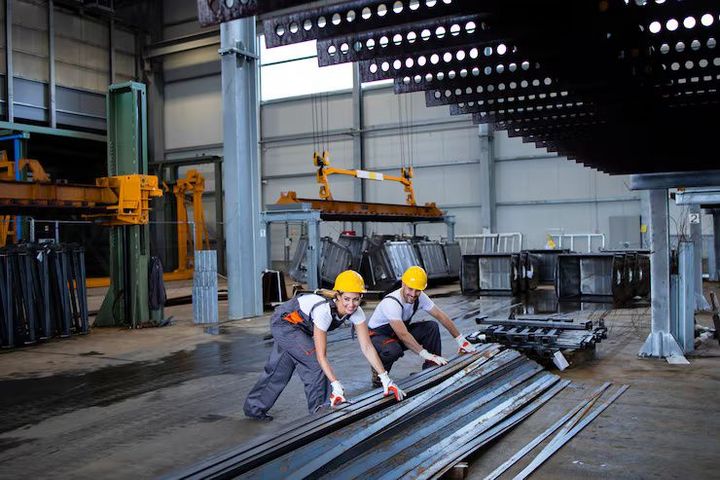
Common fabrication activities include cutting, bending, welding, drilling, machining, and surface finishing. Fabricated steel components may range from small industrial brackets to large structural frames used in heavy-duty industrial construction applications.
Importance
Steel fabrication manufacturing plays an important role in modern infrastructure development and industrial production. Fabricated steel structures provide strength, durability, and flexibility for a wide range of construction and engineering projects.
Support for Industrial Construction
Industrial construction projects depend heavily on fabricated steel systems because steel can handle high loads and challenging environmental conditions. Structural steel frameworks are commonly used in factories, warehouses, transportation hubs, and energy facilities.
Industries using fabricated steel components include:
| Industry | Steel Fabrication Application | Purpose |
|---|---|---|
| Construction | Structural frameworks | Building support |
| Manufacturing | Machine components | Industrial production |
| Energy | Pipeline structures | Infrastructure systems |
| Transportation | Bridge sections | Load-bearing support |
| Mining | Equipment frames | Heavy-duty operations |
Steel fabrication helps industries create customized structures designed for specific operational requirements.
Durability and Structural Strength
Steel is widely used because of its strength and long operational lifespan. Fabricated steel structures can withstand heavy loads, vibration, temperature changes, and outdoor exposure when properly designed and maintained.
This makes steel suitable for:
- Industrial plants
- Storage facilities
- Transportation infrastructure
- Manufacturing equipment
- Commercial construction
Protective coatings and finishing treatments also help reduce corrosion and environmental damage.
Flexibility in Design and Engineering
Modern fabrication technologies allow engineers to create complex steel structures with precise dimensions and customized designs. Digital modeling and CNC systems support accurate production for industrial construction applications.
Steel fabrication manufacturing supports:
- Modular construction systems
- Industrial machinery production
- Large-scale infrastructure projects
- Prefabricated building sections
This flexibility allows fabricated steel components to be adapted for different industries and project conditions.
Fabrication Processes
Steel fabrication manufacturing involves several production stages that convert raw steel into finished industrial products and structural systems.
Cutting and Shaping
The fabrication process usually begins with cutting steel into required shapes and dimensions. Modern fabrication facilities use automated machinery to improve cutting precision and production consistency.
Common cutting methods include:
- Laser cutting
- Plasma cutting
- Waterjet cutting
- Mechanical sawing
These methods are selected based on material thickness and project requirements.
Bending and Forming
After cutting, steel components may be bent or formed into specific shapes using industrial presses and forming equipment.
Bending processes are used to create:
- Structural beams
- Pipes and channels
- Industrial frames
- Support brackets
Precision forming is important for maintaining structural alignment during assembly.
Welding and Assembly
Welding joins separate steel components together to form complete structures or machinery parts. Different welding methods are used depending on material type, thickness, and structural requirements.
Common welding technologies include:
- MIG welding
- TIG welding
- Arc welding
- Robotic welding systems
Fabrication facilities may also use bolting and fastening systems during assembly operations.
Surface Treatment and Finishing
Finished steel components often receive protective coatings or surface treatments to improve durability and corrosion resistance.
Common finishing methods include:
- Powder coating
- Galvanization
- Sandblasting
- Industrial painting
Surface treatment requirements vary depending on environmental exposure and industrial application.
Inspection and Quality Testing
Fabricated steel products are inspected before installation or shipment. Quality control procedures help verify structural accuracy and welding integrity.
Testing methods may include:
- Dimensional inspection
- Weld testing
- Load testing
- Surface quality checks
These inspections help maintain engineering and safety standards.
Technologies Used in Steel Fabrication
Modern steel fabrication manufacturing increasingly uses digital systems and automated production technologies.
CNC Machinery
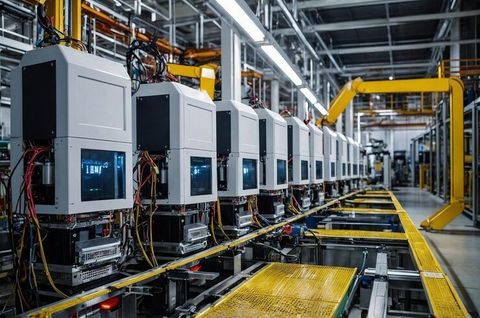
Computer numerical control (CNC) machines are widely used for automated steel cutting, drilling, and shaping processes. CNC systems improve production accuracy and reduce manual measurement errors.
Applications include:
- Precision cutting
- Hole drilling
- Sheet metal processing
- Structural component fabrication
Robotic Welding Systems
Robotic welding technology is becoming more common in fabrication facilities handling repetitive production tasks. Automated welding systems help maintain consistent weld quality and production speed.
Robotic systems are used in:
- Automotive manufacturing
- Structural steel production
- Industrial equipment assembly
3D Modeling and CAD Software
Engineers use computer-aided design (CAD) software and 3D modeling tools to plan fabrication projects before production begins.
Digital tools support:
- Structural visualization
- Material estimation
- Production planning
- Assembly simulation
These technologies improve coordination between design and manufacturing teams.
Smart Monitoring Systems
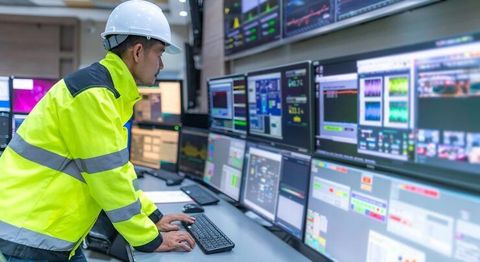
Some fabrication facilities now use digital monitoring systems connected to production machinery. These systems track machine performance, maintenance schedules, and production output.
Industrial Construction Applications
Fabricated steel products are widely used in industrial construction and infrastructure projects.
Commercial and Industrial Buildings
Steel structures are commonly used in factories, warehouses, airports, shopping centers, and industrial plants because they can support large open spaces and heavy operational loads.
Applications include:
- Structural frameworks
- Roofing systems
- Support columns
- Industrial platforms
Transportation Infrastructure
Steel fabrication manufacturing supports bridges, railway systems, shipping terminals, and transportation networks.
Fabricated steel components are used for:
- Bridge sections
- Rail support systems
- Highway structures
- Cargo handling systems
Energy and Utility Projects
Energy facilities and utility infrastructure rely on fabricated steel structures for operational support and equipment installation.
Common applications include:
- Power plant structures
- Wind turbine towers
- Oil and gas pipeline supports
- Water treatment facility frameworks
Heavy Equipment Manufacturing
Steel fabrication is also important in the production of industrial machinery, mining equipment, agricultural systems, and construction vehicles.
Recent Updates
Between 2024 and 2026, steel fabrication manufacturing continued evolving through automation, digital integration, and sustainability-focused production methods.
Growth of Automated Fabrication Systems
Fabrication facilities increasingly use automated cutting machines, robotic welding systems, and digital inspection technologies to improve operational efficiency.
Recent developments include:
- AI-assisted production monitoring
- Automated welding inspection
- Smart material tracking systems
- Integrated fabrication software
Sustainable Manufacturing Practices
Industrial construction sectors are focusing more on material efficiency and recycling practices. Fabrication facilities increasingly use recycled steel and energy-efficient production systems.
Expansion of Modular Construction
Prefabricated and modular construction systems continue growing in industrial and commercial building projects. Steel fabrication manufacturing supports this trend by producing pre-assembled structural components.
Advanced High-Strength Steel Materials
Manufacturers are also developing advanced steel materials designed for improved durability and reduced structural weight in industrial applications.
Laws or Policies
Steel fabrication manufacturing is influenced by workplace safety regulations, construction standards, and environmental policies.
Structural and Building Standards
Fabricated steel structures used in industrial construction must comply with engineering and structural safety requirements.
Standards often cover:
- Load-bearing capacity
- Welding procedures
- Material quality
- Structural stability
Workplace Safety Regulations
Fabrication facilities generally follow industrial safety rules related to:
- Welding operations
- Heavy machinery usage
- Material handling
- Fire prevention systems
Safety inspections help reduce operational risks during fabrication activities.
Environmental Regulations
Environmental policies may regulate emissions, waste management, and energy consumption within fabrication facilities.
Regulations can involve:
- Dust control systems
- Metal recycling practices
- Surface coating management
- Industrial wastewater handling
Tools and Resources
Several technical tools and software platforms support steel fabrication manufacturing and industrial construction planning.
CAD and Structural Design Software
Engineering software helps create structural models, fabrication drawings, and assembly layouts for steel projects.
CNC Programming Systems
Fabrication facilities use CNC programming tools to automate cutting and shaping operations with high precision.
Inspection and Measurement Equipment
Quality control systems help verify dimensions, weld quality, and structural alignment during fabrication.
Common tools include:
- Laser measurement systems
- Ultrasonic weld testing equipment
- Digital inspection devices
FAQs
What is steel fabrication manufacturing?
Steel fabrication manufacturing is the process of cutting, shaping, welding, and assembling steel materials into structures, machinery parts, and industrial construction components.
Which industries use fabricated steel structures?
Industries using fabricated steel structures include construction, manufacturing, transportation, mining, energy production, and infrastructure development.
What technologies are used in steel fabrication?
Modern steel fabrication uses CNC machinery, robotic welding systems, CAD software, automated cutting equipment, and digital inspection technologies.
Why is steel commonly used in industrial construction applications?
Steel is commonly used because of its strength, durability, structural flexibility, and ability to support heavy loads in industrial environments.
How are fabricated steel components inspected?
Fabricated steel components are inspected through dimensional checks, weld testing, load analysis, and surface quality inspections before installation.
Conclusion
Steel fabrication manufacturing is an important part of modern industrial construction and infrastructure development. The fabrication process combines cutting, forming, welding, and finishing technologies to create structural systems and industrial components used across multiple sectors. Modern fabrication facilities increasingly use automation, CNC equipment, and digital design systems to improve production accuracy and operational efficiency. Fabricated steel structures continue supporting transportation, manufacturing, energy, and commercial construction projects worldwide. Safety standards, engineering regulations, and environmental policies also influence how steel fabrication operations are managed.