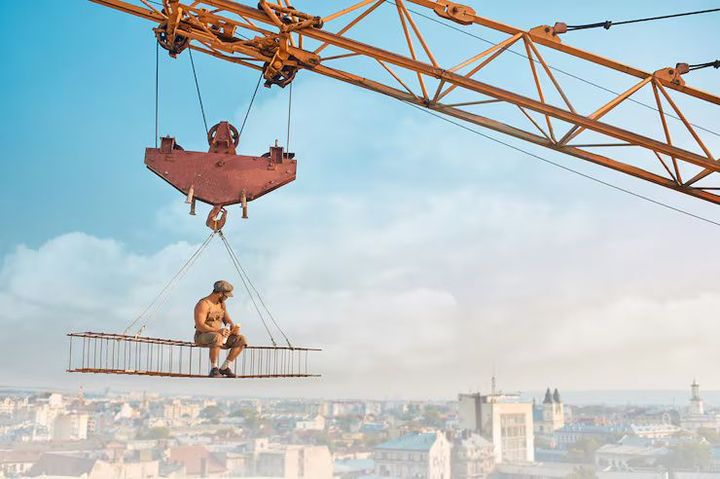
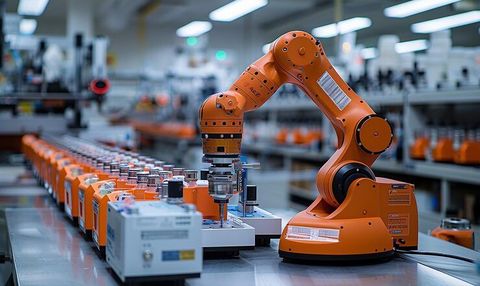
The importance of lifting equipment has increased due to larger construction projects, expanding warehouse operations, and the need for improved workplace safety. Efficient lifting systems help reduce physical strain, minimize accidents, and improve productivity.
Recent trends include automation, electric-powered lifting equipment, and smart monitoring systems. These innovations improve operational efficiency and safety. Understanding lifting equipment solutions helps businesses choose the right tools for specific material-handling needs.
Who It Affects and What Problems It Solves
Lifting equipment is relevant for construction managers, warehouse operators, logistics teams, engineers, and safety supervisors. These professionals rely on lifting systems to handle materials quickly and safely.
Without proper lifting equipment, businesses may face delays, injuries, and inefficient operations. These systems help solve common handling challenges.
Problems It Helps Solve
-
Difficulty moving heavy materials
-
Workplace injuries from manual lifting
-
Slow loading and unloading processes
-
Limited storage and stacking efficiency
-
Delays in construction or warehouse operations
-
Increased labor requirements
Recent Updates and Trends
In the past year, lifting equipment technology has advanced with more automation and smart controls. Electric forklifts and eco-friendly lifting systems are gaining popularity for lower emissions and reduced operating costs.
IoT-enabled monitoring systems are being integrated into cranes and hoists to track performance and maintenance needs. This improves safety and reduces downtime.
Automated guided vehicles (AGVs) and robotic lifting systems are becoming more common in warehouses. These tools streamline operations and reduce manual labor.
Compact and modular lifting equipment designs are improving flexibility in small or complex workspaces.
Safety regulations and digital inspections are also driving the adoption of smarter lifting systems.
Types of Lifting Equipment
| Equipment Type | Description | Application | Outcome |
|---|
| Cranes | Large machines for lifting heavy loads | Construction | High-capacity lifting |
| Forklifts | Powered vehicles for moving pallets | Warehousing | Fast transport |
| Hoists | Devices for vertical lifting | Industrial use | Controlled lifting |
| Hydraulic Lifts | Fluid-powered lifting platforms | Maintenance and loading | Precision |
| Slings and Chains | Flexible lifting accessories | Load securing | Safety |
Each type serves different operational needs.
Applications in Construction
| Application | Equipment Used | Benefit | Result |
|---|
| Material Lifting | Cranes, hoists | Faster construction | Efficiency |
| Worker Access | Hydraulic lifts | Safe elevated access | Safety |
| Heavy Load Transport | Forklifts | Quick movement | Productivity |
| Site Operations | Slings and chains | Secure handling | Reduced risk |
These applications improve construction workflows.
Applications in Warehousing
| Application | Equipment Used | Benefit | Result |
|---|
| Pallet Movement | Forklifts | Speed | Faster handling |
| Storage and Stacking | Reach trucks and lifts | Space optimization | Better organization |
| Loading and Unloading | Hydraulic lifts and conveyors | Efficiency | Reduced labor |
| Inventory Handling | Automated systems | Accuracy | Better management |
These systems enhance warehouse operations.
Safety Practices and Maintenance
| Practice | Description | Importance | Result |
|---|
| Regular Inspection | Check equipment condition | Prevent failures | Safety |
| Operator Training | Proper equipment handling | Reduce accidents | Compliance |
| Load Limits | Follow capacity guidelines | Prevent overload | Reliability |
| Preventive Maintenance | Routine servicing | Extend lifespan | Performance |
Following these practices ensures safe use.
Performance Factors and Optimization
| Factor | Description | Importance | Result |
|---|
| Load Capacity | Maximum weight handled | Operational fit | Safety |
| Energy Efficiency | Power consumption | Cost control | Savings |
| Speed | Lifting and transport speed | Productivity | Faster operations |
| Maneuverability | Ease of movement | Flexibility | Better workflow |
| Durability | Resistance to wear | Long-term use | Reliability |
Optimizing these factors improves performance.
Laws and Policies Related to Lifting Equipment
Lifting equipment is subject to workplace safety and industrial regulations. These guidelines ensure safe operation and reduce workplace hazards.
In India, lifting equipment standards are influenced by the Bureau of Indian Standards and occupational safety regulations.
Practical Guidance Table
| Situation | Recommended Approach | Practical Benefit |
|---|
| Heavy Construction Loads | Use cranes | High-capacity lifting |
| Warehouse Efficiency | Use forklifts and AGVs | Faster operations |
| Worker Safety | Train operators and inspect equipment | Risk reduction |
| Limited Space | Use compact lifting tools | Flexibility |
Tools and Resources for Equipment Management
Various tools and systems support lifting equipment operations.
Common Tools and Resources
-
Fleet management software
-
Inspection checklists
-
Maintenance tools
-
Training programs
-
Monitoring systems
Tools Comparison Table
| Tool Type | Functionality | Best Use Case |
|---|
| Fleet Software | Track equipment | Management |
| Monitoring Systems | Analyze performance | Optimization |
| Inspection Tools | Check safety | Compliance |
| Maintenance Kits | Service equipment | Reliability |
| Training Platforms | Improve skills | Workforce development |
Frequently Asked Questions
What is lifting equipment?
It includes machines and tools used to move heavy materials.
What equipment is used in warehouses?
Forklifts, lifts, conveyors, and automated systems are common.
Why is maintenance important?
It ensures safe operation and prevents breakdowns.
Are lifting systems automated?
Many modern systems include automation and smart monitoring.
How can lifting equipment improve productivity?
It speeds up material handling and reduces manual labor.
Conclusion
Lifting equipment solutions are essential for efficient construction and warehousing operations. By improving safety, speed, and handling capacity, these systems support better productivity and workflow management.
Recent advancements in automation, electric systems, and smart monitoring have improved equipment efficiency and reliability. These innovations help businesses reduce downtime and operational costs.
A data-driven approach indicates that selecting the right equipment, maintaining it properly, and training operators are key to successful operations. By implementing these practices, organizations can improve safety, efficiency, and long-term performance.