Cutting Machinery Guide: Explore Modern Industrial Cutting Systems
Cutting machinery plays a major role in manufacturing, construction, automotive production, aerospace engineering, and metal fabrication. Modern systems are designed to improve precision, reduce material waste, and support automated production processes. Technologies such as Laser Cutting, CNC Cutting, Plasma Cutting, and Waterjet Cutting are now widely used across industries for handling different materials and production needs.
Industrial cutting equipment has evolved from simple mechanical tools into computer-controlled systems that deliver highly accurate results. Machines can now process metals, plastics, composites, ceramics, and pipes with improved speed and consistency. As automation expands globally, cutting machinery continues to support efficient and standardized manufacturing operations.
Context
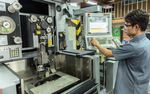
Cutting machinery refers to industrial equipment used to separate, shape, or trim materials into required dimensions. These systems are commonly used in factories, workshops, and fabrication facilities to process raw materials into finished components.
Types of Modern Cutting Systems
Different industries use different cutting technologies depending on the material and required precision.
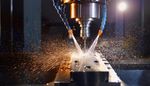
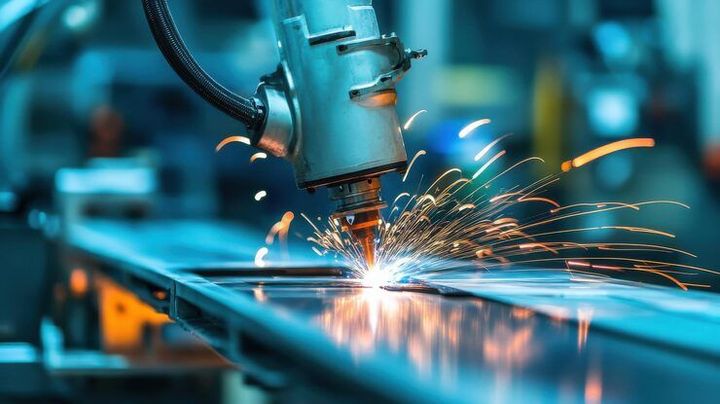
- Laser Cutting uses concentrated light beams to cut metal, acrylic, wood, and thin industrial materials.
- CNC Cutting uses computer numerical control systems for automated cutting operations.
- Plasma Cutting is commonly used for conductive metals such as steel and aluminum.
- Waterjet Cutting uses high-pressure water mixed with abrasives for precise cutting without heat damage.
- Pipe Cutter systems are designed for cutting industrial pipes and tubes in manufacturing plants.
- Metal Cutting equipment includes saws, shears, milling tools, and automated cutting machines.
Background and Purpose
Traditional cutting methods relied heavily on manual labor and mechanical tools. Over time, industries adopted automation to improve safety and production efficiency. CNC Cutting systems became popular because they reduced human error and supported repeatable production processes.
Modern cutting machinery is now integrated with digital software, sensors, and robotic systems. These technologies help manufacturers maintain precision while reducing downtime and material waste.
Importance
Industrial cutting systems are important because they support large-scale production across multiple sectors. Manufacturing companies depend on accurate cutting processes to maintain product quality and operational consistency.
Industries That Use Cutting Machinery
Many sectors rely on industrial cutting equipment every day.
| Industry | Common Cutting Technology | Main Purpose |
|---|---|---|
| Automotive | Laser Cutting, CNC Cutting | Vehicle parts production |
| Construction | Plasma Cutting | Structural steel processing |
| Aerospace | Waterjet Cutting | Precision component shaping |
| Energy | Pipe Cutter Systems | Pipeline fabrication |
| Electronics | Laser Cutting | Circuit and component production |
Cutting machinery also helps reduce production delays and improves workplace safety by limiting direct manual handling of sharp tools and heated materials.
Benefits of Automated Cutting Systems
Modern cutting technologies provide several operational advantages.
- Improved cutting precision
- Reduced material waste
- Faster production cycles
- Better consistency in repeated tasks
- Lower risk of operator error
- Support for complex industrial designs
These systems are especially useful in facilities that require continuous production and detailed fabrication work.
Recent Updates
From 2024 to 2026, industrial cutting systems have seen significant technological improvements. Automation and artificial intelligence are becoming more common in modern manufacturing environments.
One major trend is the integration of smart monitoring systems into CNC Cutting machines. Sensors can now track temperature, vibration, and machine performance in real time. This helps operators identify maintenance issues before equipment failure occurs.
Laser Cutting technology has also improved with higher energy efficiency and faster processing speeds. Fiber laser systems are increasingly replacing older carbon dioxide laser systems because they consume less energy and require less maintenance.
Waterjet Cutting systems are being updated with advanced software controls that improve precision while minimizing water and abrasive usage. These improvements help manufacturers reduce operational waste and environmental impact.
Another important development is robotic Plasma Cutting systems. Automated robotic arms are now used in shipbuilding, automotive manufacturing, and heavy equipment production. These systems improve consistency when cutting large metal structures.
Manufacturers are also focusing on digital connectivity through Industrial Internet of Things (IIoT) platforms. Machines can share performance data with centralized production systems, helping facilities improve workflow planning and machine utilization.
Laws or Policies
Industrial cutting machinery is regulated under workplace safety, environmental, and manufacturing standards in many countries. Regulations vary by region, but most policies focus on worker protection and machine safety.
Workplace Safety Regulations
Factories using Metal Cutting and Plasma Cutting systems often follow occupational safety rules related to:
- Machine guarding requirements
- Operator training standards
- Eye and respiratory protection
- Electrical safety procedures
- Fire prevention measures
Laser Cutting equipment may also require enclosed workspaces and protective shielding because of intense light exposure.
Environmental Policies
Some cutting systems generate fumes, dust, heat, or wastewater during operation. Environmental policies may regulate:
- Air emissions from Plasma Cutting
- Disposal of abrasive materials from Waterjet Cutting
- Noise levels in industrial facilities
- Energy efficiency standards for automated machinery
Many manufacturers now use filtration and ventilation systems to meet environmental compliance requirements.
International manufacturing standards such as ISO certifications are also commonly used to maintain quality control and operational consistency in industrial facilities.
Tools and Resources
Several digital tools and platforms help manufacturers manage cutting operations more effectively.
| Tool or Resource | Purpose |
| CAD Software | Create industrial design layouts |
| CAM Software | Convert designs into machine instructions |
| CNC Simulators | Test cutting operations virtually |
| Material Thickness Charts | Select proper cutting settings |
| Maintenance Tracking Systems | Monitor equipment performance |
Useful resources for learning about cutting systems include:
- Manufacturing training platforms
- Technical documentation libraries
- Industrial engineering publications
- Safety compliance manuals
- Equipment operation guides
Many educational institutions and industrial associations also provide training materials for CNC Cutting and Laser Cutting technologies.
FAQs
What is the difference between Laser Cutting and Plasma Cutting?
Laser Cutting uses focused light energy for precise cuts, while Plasma Cutting uses electrically conductive gas to cut metal materials. Laser systems are often used for detailed work, while plasma systems are commonly used for thicker metals.
Why is CNC Cutting important in manufacturing?
CNC Cutting improves accuracy and automation in production processes. It allows manufacturers to produce identical parts consistently with minimal manual adjustment.
What materials can Waterjet Cutting process?
Waterjet Cutting can process metals, glass, ceramics, stone, rubber, and composites. Because it does not use heat, it helps prevent material distortion.
What is a Pipe Cutter used for?
A Pipe Cutter is used to cut pipes and tubes in industries such as construction, oil and gas, plumbing, and manufacturing.
Are modern cutting machines environmentally regulated?
Yes. Many industrial cutting systems must follow environmental and workplace safety regulations related to emissions, waste handling, and operator protection.
Conclusion
Cutting machinery continues to support modern industrial production through precision, automation, and improved manufacturing efficiency. Technologies such as Laser Cutting, CNC Cutting, Plasma Cutting, Waterjet Cutting, and Pipe Cutter systems are widely used across many industries. Recent advancements between 2024 and 2026 have focused on automation, digital monitoring, and energy efficiency. As manufacturing evolves, industrial cutting systems are expected to become more connected, accurate, and environmentally responsible.