CNC Precision Engineering Explained: Advanced Machining, Precision Components & Industrial Applications
Modern manufacturing depends heavily on precision. Whether it's an aerospace component, automotive part, medical instrument, or industrial machine component, accuracy is essential. This is where CNC precision engineering plays a vital role.
CNC precision engineering combines advanced machining technology with computer-controlled manufacturing processes to create highly accurate components. These systems help industries produce complex parts with exceptional consistency, efficiency, and reliability.
From small custom components to large-scale industrial production, CNC machining has transformed how modern products are designed and manufactured. In this guide, we'll explore CNC precision engineering, its processes, technologies, applications, and importance in today's industrial world.
What Is CNC Precision Engineering?
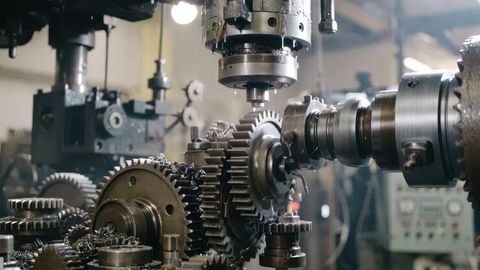
CNC precision engineering refers to the use of Computer Numerical Control (CNC) machines to manufacture parts with extremely tight tolerances and high accuracy.
Unlike traditional machining methods, CNC machines operate through programmed instructions. These instructions guide cutting tools and machinery to shape materials into finished components.
The primary goal is to produce parts that meet exact specifications while maintaining consistency across production runs.
Some key characteristics include:
- High dimensional accuracy
- Excellent repeatability
- Reduced production errors
- Efficient manufacturing processes
Because of these advantages, CNC technology has become a cornerstone of advanced manufacturing.
Understanding How CNC Machining Works
At its core, CNC machining converts digital designs into physical components.
The process begins with a computer-generated design. This design is then translated into machine instructions that guide the cutting tools throughout the manufacturing process.
Basic CNC Workflow
A typical CNC machining project follows several stages:
- Component design and modeling
- Programming machine instructions
- Material preparation
- Precision machining operations
- Inspection and quality verification
Each step contributes to producing a finished component that meets strict engineering requirements.
For example, a manufacturer producing aerospace brackets may require thousands of identical parts. CNC machining ensures each component matches the original design with minimal variation.
Types of CNC Machines
Different CNC machines are designed for specific manufacturing tasks. Selecting the right machine depends on the complexity and requirements of the component.
CNC Milling Machines
CNC milling machines remove material using rotating cutting tools.
They are commonly used to create:
- Complex shapes
- Precision slots
- Detailed contours
- Industrial machine parts
These machines are widely used across multiple industries because of their versatility.
CNC Turning Machines
Turning machines rotate the workpiece while cutting tools shape the material.
This process is ideal for manufacturing cylindrical components such as:
- Shafts
- Bushings
- Connectors
- Valve components
The method provides excellent surface finishes and dimensional accuracy.
CNC Grinding Machines
Grinding machines are used when extremely fine tolerances are required.
They help achieve:
- Smooth surface finishes
- Precise dimensions
- Improved component performance
This process is often used for high-performance industrial components.
Multi-Axis CNC Machines
Modern facilities increasingly use multi-axis systems capable of machining complex geometries from multiple directions.
These advanced systems improve efficiency and reduce production time for intricate parts.
Materials Used in CNC Precision Engineering
One of the major advantages of CNC machining is its ability to work with various materials.
Material selection depends on the component's intended application and performance requirements.
Metals
Metal components remain among the most common CNC-manufactured products.
Popular choices include:
- Aluminum
- Stainless steel
- Titanium
- Brass
These materials provide strength, durability, and excellent machining characteristics.
Engineering Plastics
Many industries utilize advanced plastics for lightweight and corrosion-resistant components.
Common examples include nylon, PEEK, and acetal materials.
These materials are often found in electronics, medical devices, and industrial equipment.
Specialized Materials
Some industries require unique materials capable of performing under extreme conditions.
Examples include high-temperature alloys and advanced composite materials used in aerospace and energy applications.
Advantages of CNC Precision Engineering
CNC technology has become a preferred manufacturing solution because of its numerous benefits.
Exceptional Accuracy
One of the biggest advantages is precision. CNC systems can consistently produce parts with extremely tight tolerances.
This level of accuracy is essential for industries where even small deviations can affect performance.
Improved Production Efficiency
Automated machining processes reduce manual intervention and help streamline production.
As a result, manufacturers can achieve:
- Faster production cycles
- Consistent output quality
- Better resource utilization
Enhanced Repeatability
Once a program is created, the same component can be produced repeatedly with identical specifications.
This consistency is particularly valuable in high-volume manufacturing environments.
Reduced Material Waste
Precise cutting and machining processes help optimize material usage and minimize waste.
This improves overall manufacturing efficiency while supporting sustainable production practices.
CNC Precision Components and Their Importance
Precision components are essential in many modern industries. These parts often perform critical functions and must meet strict quality requirements.
Examples include:
- Aerospace brackets
- Medical device components
- Automotive engine parts
- Industrial automation components
Because these parts operate in demanding environments, precision engineering ensures reliability and long-term performance.
For example, a small deviation in a medical device component could affect functionality. CNC machining helps maintain the accuracy required for safe and dependable operation.
Industrial Applications of CNC Precision Engineering
CNC precision engineering supports numerous industries that depend on high-quality manufactured components.
Aerospace Industry
Aerospace manufacturers require lightweight and highly accurate parts capable of operating under extreme conditions.
Common applications include structural components, engine parts, and specialized assemblies.
Automotive Manufacturing
Modern vehicles contain numerous precision-machined parts.
These include transmission components, braking systems, and engine assemblies that require consistent quality and durability.
Medical Equipment Manufacturing
The medical sector relies heavily on precision components.
Examples include surgical instruments, diagnostic equipment parts, and implantable device components.
Accuracy is critical because these products directly impact patient care.
Industrial Automation
Automation systems depend on precision-engineered components to ensure smooth and reliable operation.
Common examples include:
- Robotic assemblies
- Motion control systems
- Sensor housings
- Precision gears
As automation continues to expand, demand for CNC-manufactured components continues to grow.
Energy and Power Generation
Energy facilities require durable components capable of operating under demanding conditions.
CNC machining helps produce valves, turbine parts, and specialized equipment used throughout the sector.
Quality Control in CNC Manufacturing
Quality control is a critical part of CNC precision engineering.
Manufacturers use advanced inspection systems to verify component accuracy throughout production.
Common Quality Measures
Quality assurance often includes:
- Dimensional inspections
- Surface finish evaluation
- Material verification
- Performance testing
These processes help ensure that finished components meet industry requirements and customer expectations.
Modern facilities frequently use digital measurement systems to monitor quality with exceptional precision.
Emerging Technologies in CNC Precision Engineering
The CNC industry continues to evolve as new technologies improve manufacturing capabilities.
Automation and Robotics
Robotic systems are increasingly integrated with CNC machines to enhance efficiency and productivity.
These technologies help streamline material handling and reduce production delays.
Smart Manufacturing Systems
Modern factories are adopting connected manufacturing environments where machines communicate and share operational data.
This approach supports improved monitoring and production optimization.
Artificial Intelligence Integration
AI-powered systems help analyze machining data and identify opportunities for performance improvements.
This technology supports predictive maintenance and process optimization.
Future of CNC Precision Engineering
As industries demand greater accuracy and efficiency, CNC precision engineering will continue to advance.
Future developments are expected to focus on:
- Higher automation levels
- Advanced multi-axis machining
- Smarter production systems
- Greater manufacturing flexibility
These innovations will help manufacturers create increasingly sophisticated products while maintaining exceptional quality standards.
Conclusion
CNC precision engineering has revolutionized modern manufacturing by combining advanced machining technology with computer-controlled accuracy. It enables industries to produce high-quality components that meet demanding performance and reliability requirements.
From aerospace and automotive manufacturing to medical technology and industrial automation, CNC machining continues to play a crucial role in global production. As technology evolves, CNC precision engineering will remain at the forefront of innovation, helping industries achieve greater efficiency, accuracy, and manufacturing excellence.