Chemical Industry Guide for Modern Manufacturing
The modern Chemical Engineering sector plays a major role in global manufacturing, technology development, agriculture, healthcare, and infrastructure. From plastics and coatings to pharmaceuticals and water purification systems, the chemical industry supports countless products used every day. As industries continue to evolve with automation and sustainability goals, chemical manufacturing processes are becoming more advanced and efficient.
Today’s manufacturing environment relies heavily on chemical suppliers, specialty formulations, and advanced processing systems to maintain productivity and product quality. The industry also focuses on environmental responsibility, process safety, and energy efficiency to meet growing global expectations.
Understanding the Modern Chemical Industry
The chemical industry includes businesses involved in producing industrial chemicals, specialty compounds, petrochemicals, agricultural chemicals, polymers, and treatment solutions. These materials are used across sectors such as automotive, electronics, textiles, construction, healthcare, and food processing.
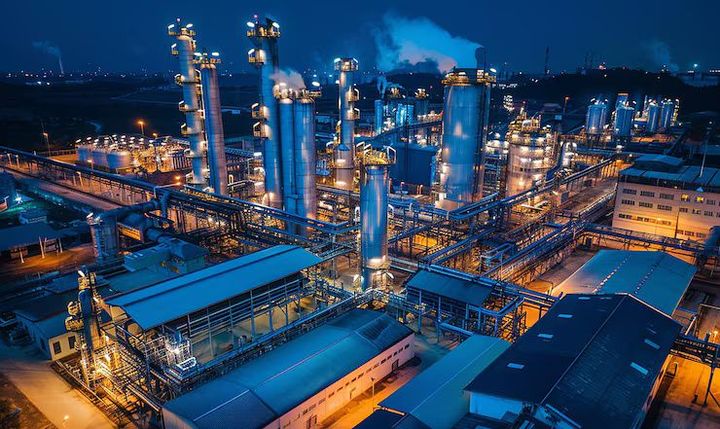
Modern chemical manufacturing combines scientific innovation with industrial-scale production. Companies use automated systems, digital monitoring, and advanced chemical process equipment to improve accuracy and reduce waste. Manufacturing facilities are also adopting sustainable production techniques to lower emissions and optimize resource usage.
Chemical manufacturing companies are often divided into several categories:
| Industry Segment | Main Purpose | Common Applications |
|---|---|---|
| Petrochemicals | Production of fuel-based chemicals | Plastics, synthetic fibers |
| Specialty Chemicals | High-performance formulations | Paints, adhesives, electronics |
| Agricultural Chemicals | Crop and soil support | Fertilizers, pesticides |
| Water Treatment Chemicals | Water purification and safety | Municipal and industrial water systems |
| Industrial Chemicals | General manufacturing support | Cleaning agents, solvents |
This wide range of production areas demonstrates how essential the chemical sector is to modern industrial operations.
Role of Chemical Suppliers in Manufacturing
Chemical suppliers are responsible for delivering raw materials and specialty compounds to manufacturing facilities worldwide. Reliable supply chains are essential because production systems depend on consistent material quality and timely delivery schedules.
Many manufacturers work closely with chemical suppliers to ensure compliance with safety regulations, environmental standards, and technical specifications. Suppliers also provide information related to material handling, storage conditions, and compatibility with production equipment.
Manufacturers usually evaluate suppliers based on several factors:
- Product consistency
- Technical support capabilities
- Regulatory compliance
- Logistics efficiency
- Sustainable sourcing practices
As global manufacturing expands, chemical suppliers increasingly use digital inventory tracking and automated logistics systems to improve supply chain management.
Importance of Specialty Chemical Manufacturers
Specialty chemical manufacturers focus on producing customized chemical formulations designed for specific industrial applications. Unlike bulk industrial chemicals, specialty chemicals are developed for performance, precision, and functionality.
Examples include:
- Electronic cleaning compounds
- Industrial coatings
- Textile processing chemicals
- Food-grade additives
- Pharmaceutical ingredients
These products often require advanced research and strict quality control procedures. Specialty chemical manufacturers invest heavily in laboratory testing, formulation development, and process optimization to meet industry standards.
The demand for specialty chemicals continues to grow due to technological innovation and the need for higher-performing materials in sectors like renewable energy, medical devices, and advanced electronics.
Chemical Process Equipment and Industrial Efficiency
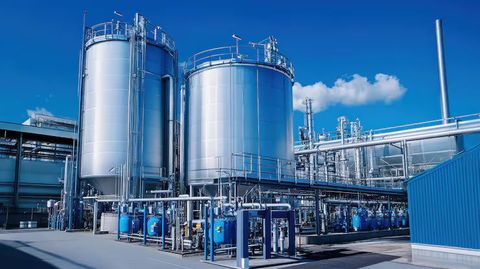
Chemical process equipment forms the backbone of manufacturing operations. This equipment is used to mix, separate, heat, cool, react, and transport chemical substances during production.
Modern facilities rely on automated systems that improve operational efficiency while maintaining safety and product consistency. Some commonly used chemical process equipment includes:
| Equipment Type | Primary Function |
|---|---|
| Reactors | Facilitate chemical reactions |
| Heat Exchangers | Control process temperatures |
| Distillation Columns | Separate chemical components |
| Pumps and Compressors | Move liquids and gases |
| Filtration Systems | Remove impurities |
| Storage Tanks | Hold raw materials and products |
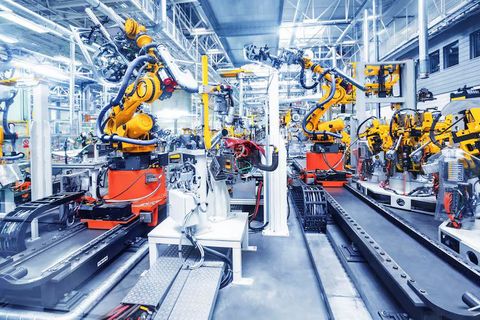
Automation technology has significantly improved equipment performance. Sensors and digital monitoring systems allow manufacturers to track temperature, pressure, and chemical composition in real time.
Advanced chemical process equipment also helps reduce production downtime and improve energy efficiency. Predictive maintenance systems can identify potential issues before equipment failure occurs, minimizing operational interruptions.
Digital Transformation in Chemical Manufacturing
Digital transformation is reshaping the chemical industry through the use of smart technologies and data-driven decision-making. Manufacturing companies increasingly adopt systems such as:
- Industrial Internet of Things (IIoT)
- Artificial intelligence
- Predictive analytics
- Cloud-based monitoring
- Robotics and automation
These technologies improve operational visibility and enhance production accuracy. Automated quality control systems can detect inconsistencies during manufacturing, reducing waste and improving product reliability.
Digital systems also help chemical manufacturing companies improve workplace safety. Real-time monitoring tools can identify hazardous conditions early and support faster response measures.
Another important development is the use of digital twins. A digital twin is a virtual representation of manufacturing equipment or processes that allows engineers to test operational changes before implementing them in physical facilities.
Importance of Water Treatment Chemicals
Water treatment chemicals are essential for maintaining safe and efficient industrial operations. Manufacturing facilities use large volumes of water for cooling, cleaning, processing, and steam generation. Without proper treatment, water systems can develop corrosion, scaling, and microbial contamination.
Water treatment chemicals help improve water quality and protect industrial equipment. Common treatment categories include:
- Corrosion inhibitors
- Disinfectants
- Coagulants
- Scale inhibitors
- pH control agents
Industries such as power generation, food processing, pharmaceuticals, and textile manufacturing rely heavily on water treatment systems.
Environmental regulations have also increased the importance of sustainable water management. Many manufacturers now implement water recycling and wastewater treatment strategies to reduce environmental impact and conserve resources.
Advanced filtration technologies and smart monitoring systems help facilities manage water usage more efficiently while maintaining compliance with environmental standards.
Sustainability and Environmental Responsibility
Sustainability has become a major focus within the chemical industry. Manufacturers are working to reduce emissions, improve energy efficiency, and minimize waste generation throughout production cycles.
Several strategies are shaping sustainable chemical manufacturing:
- Use of renewable raw materials
- Energy-efficient production systems
- Waste reduction programs
- Green chemistry techniques
- Carbon emission monitoring
Green chemistry involves designing chemical processes that reduce hazardous substances and environmental impact. This approach supports safer manufacturing while improving long-term operational sustainability.
Many chemical manufacturing companies are also investing in renewable energy integration and circular economy practices. Recycling industrial materials and recovering valuable byproducts help reduce resource consumption and improve environmental performance.
Government regulations and consumer awareness continue to encourage industries to adopt cleaner manufacturing technologies.
Safety Standards in Chemical Manufacturing
Safety remains one of the most important priorities in chemical manufacturing environments. Industrial facilities handle hazardous substances, high-pressure systems, and temperature-sensitive reactions that require strict operational controls.
Manufacturers follow comprehensive safety programs that include:
- Hazard identification procedures
- Emergency response planning
- Equipment inspections
- Employee safety training
- Environmental monitoring
Modern chemical process equipment often includes automated shutdown systems and advanced safety sensors that help reduce operational risks.
Regulatory organizations also establish standards for chemical storage, transportation, and waste disposal. Compliance with these standards supports worker safety and environmental protection.
Digital safety monitoring systems now provide continuous oversight of plant conditions, improving incident prevention and operational reliability.
Global Trends Influencing the Chemical Industry
Several global trends continue to shape the future of the chemical industry and modern manufacturing:
Rising Demand for Sustainable Materials
Industries increasingly seek environmentally responsible materials for packaging, construction, automotive components, and consumer products. Biodegradable plastics and renewable chemical feedstocks are becoming more important in manufacturing strategies.
Expansion of Advanced Manufacturing Technologies
Automation, robotics, and artificial intelligence are improving production precision and operational efficiency. Smart factories are becoming more common across large-scale chemical manufacturing facilities.
Growth of Specialty Chemicals
The demand for high-performance specialty chemicals continues to increase in industries such as electronics, healthcare, renewable energy, and advanced materials engineering.
Supply Chain Modernization
Manufacturers are improving supply chain resilience through digital logistics systems, local sourcing strategies, and predictive inventory management.
Future Outlook for Chemical Manufacturing
The future of the chemical industry will likely be shaped by innovation, sustainability, and digital integration. Chemical engineering services will continue supporting manufacturers through process optimization, equipment design, and environmental management solutions.
As industries pursue cleaner production methods, manufacturers will focus on:
- Low-emission technologies
- Smart production systems
- Resource conservation
- Safer chemical formulations
- Advanced recycling methods
Research and development activities are expected to expand in areas such as nanotechnology, bio-based chemicals, and energy-efficient manufacturing processes.
Collaboration between chemical suppliers, equipment manufacturers, and engineering experts will remain essential for achieving long-term industrial growth and sustainability goals.
Conclusion
The modern chemical industry serves as a critical foundation for manufacturing and industrial development worldwide. From chemical suppliers and specialty chemical manufacturers to advanced chemical process equipment and water treatment chemicals, every segment contributes to efficient and reliable production systems.
As technology evolves, chemical manufacturing companies continue adopting digital tools, automation, and sustainable practices to improve performance and environmental responsibility. The industry’s ongoing transformation highlights the importance of innovation, safety, and resource efficiency in shaping the future of manufacturing.