Bottling Machinery Basics: Everything You Need to Know
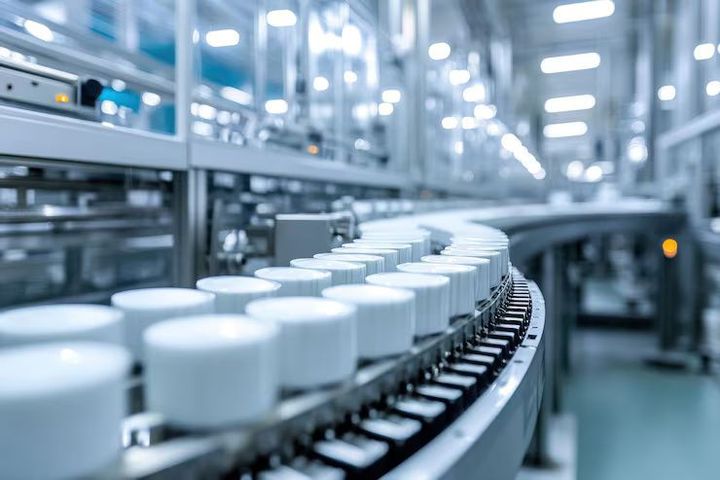
Bottling systems are an important part of modern manufacturing. Industries such as food processing, pharmaceuticals, cosmetics, and chemical production use these systems to fill and package liquids safely and efficiently. Industrial Bottling Machinery helps companies maintain consistent production while reducing manual handling and improving product quality.
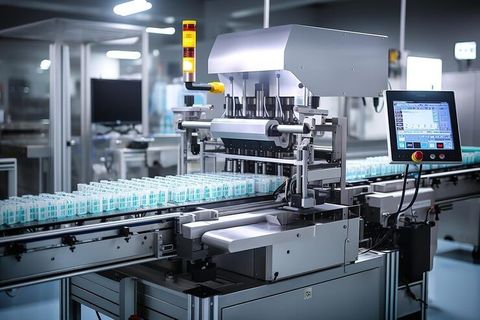
An Automatic Bottling Machine can perform tasks such as rinsing, filling, capping, labeling, and sealing containers. These systems are designed for different production sizes, from small facilities to high-volume industrial operations. Beverage Filling Equipment and Liquid Filling Machine systems are especially common in industries that require accurate measurements and hygiene standards.
Context
Industrial Bottling Machinery refers to equipment used to fill liquids into bottles or containers. These systems can process water, juice, dairy products, oils, medicines, chemicals, and cleaning products. The main purpose is to improve efficiency, accuracy, and safety during packaging operations.
Types of Bottling Machinery
Different industries use different filling systems depending on the liquid type and production requirements.
| Machinery Type | Common Use | Key Feature |
|---|---|---|
| Gravity Filling Machine | Water and thin liquids | Simple filling process |
| Piston Filling Machine | Thick liquids and creams | Accurate volume control |
| Vacuum Filling Machine | Glass bottles and perfumes | Reduced spillage |
| Overflow Filling Machine | Beverage production | Uniform fill levels |
| Pharmaceutical Filling Machine | Medicines and syrups | Sterile filling process |
An Industrial Filling Machine may operate manually, semi-automatically, or fully automatically. Modern Bottle Filling Equipment often includes digital monitoring systems and automated controls for better precision.
How Bottling Systems Work
Most bottling lines follow a similar process:
- Bottle cleaning or rinsing
- Liquid filling
- Capping or sealing
- Labeling
- Packaging and inspection
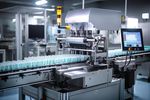
Automatic Bottling Machine systems can process thousands of bottles per hour depending on the production setup. Advanced Beverage Filling Equipment may also include sensors that detect filling levels and packaging errors.
Importance
Bottling machinery plays a major role in maintaining product consistency and production efficiency. Industries that handle liquids depend on these systems to reduce waste, improve hygiene, and support large-scale operations.
Food and beverage manufacturers use Liquid Filling Machine systems to maintain uniform product quantities. Pharmaceutical companies rely on Pharmaceutical Filling Machine technology to reduce contamination risks and improve dosage accuracy.
Important benefits include:
- Faster production cycles
- Improved packaging consistency
- Reduced manual labor requirements
- Better hygiene and safety standards
- Lower risk of product contamination
Industrial Filling Machine systems also help manufacturers meet industry regulations and quality standards. Accurate filling and secure sealing are especially important for medicines and packaged beverages.
Recent Updates
From 2024 to 2026, the bottling machinery industry has continued to adopt automation and digital technologies. Manufacturers are focusing on efficiency, sustainability, and smarter monitoring systems.
Recent developments include:
- Increased use of AI-based quality inspection
- Smart sensors for real-time production tracking
- Energy-efficient Beverage Filling Equipment
- Compact machinery for smaller production spaces
- Touchscreen controls and remote monitoring systems
Many Industrial Bottling Machinery systems now include predictive maintenance features. These tools can detect equipment wear before a breakdown occurs, helping reduce production interruptions.
Sustainability has also become a major focus. Some Bottle Filling Equipment systems are designed to reduce water usage and packaging waste. Lightweight packaging materials and recyclable bottle compatibility are becoming more common across production facilities.
Pharmaceutical Filling Machine systems are also improving sterile filling technology. This is especially important for injectable medicines and sensitive healthcare products.
Laws or Policies
Bottling machinery operations must follow safety, hygiene, and manufacturing regulations. Requirements vary depending on the country and industry.
Food and Beverage Regulations
Food and beverage manufacturers often follow guidelines related to sanitation, packaging safety, and contamination prevention. Many countries require production facilities to comply with food safety management standards.
Common regulatory areas include:
- Sanitary equipment design
- Cleaning and maintenance procedures
- Accurate product labeling
- Safe packaging materials
- Quality control inspections
Beverage Filling Equipment used in food production must often meet hygiene standards that reduce contamination risks during filling and packaging.
Pharmaceutical Manufacturing Rules
Pharmaceutical Filling Machine systems usually operate under stricter controls because medicines require sterile conditions and precise measurements.
Key compliance areas include:
- Sterile production environments
- Accurate dosage filling
- Batch tracking systems
- Validation and testing procedures
- Equipment cleaning documentation
Many pharmaceutical manufacturers follow Good Manufacturing Practice standards to maintain product quality and patient safety.
Industrial Filling Machine operators may also need workplace safety training related to machinery handling, electrical systems, and chemical exposure prevention.
Tools and Resources
Several digital tools and platforms help manufacturers manage bottling operations and production planning.
Useful resources include:
- Production monitoring software
- Filling volume calculators
- Maintenance scheduling platforms
- Packaging design templates
- Equipment efficiency tracking systems
Some Industrial Bottling Machinery systems include built-in software dashboards that display production speed, filling accuracy, and machine performance data.
Manufacturers also use simulation software to test production line layouts before installing new Bottle Filling Equipment. These tools can improve workflow planning and reduce operational delays.
Training manuals and equipment documentation are also important resources for machine operators and maintenance teams.
FAQs
What is an Automatic Bottling Machine?
An Automatic Bottling Machine is equipment that fills, seals, and packages bottles with minimal manual handling. It improves efficiency and consistency during production.
What industries use Liquid Filling Machine systems?
Industries such as beverages, pharmaceuticals, cosmetics, chemicals, and food processing commonly use Liquid Filling Machine technology.
Why is Pharmaceutical Filling Machine accuracy important?
Accurate filling helps maintain proper medicine dosage levels and reduces contamination risks during pharmaceutical production.
What is the difference between manual and automatic bottling systems?
Manual systems require more operator involvement, while automatic systems perform filling and packaging tasks through computerized controls and sensors.
How does Beverage Filling Equipment improve production?
Beverage Filling Equipment helps increase filling speed, maintain hygiene standards, and reduce packaging errors during beverage manufacturing.
Conclusion
Industrial Bottling Machinery is an essential part of modern liquid packaging and manufacturing. These systems improve production efficiency, support hygiene standards, and help maintain product consistency across many industries. Automatic Bottling Machine technology continues to evolve with smarter controls, energy-efficient systems, and advanced monitoring features. From Beverage Filling Equipment to Pharmaceutical Filling Machine systems, bottling technology remains important for safe and reliable packaging operations worldwide.