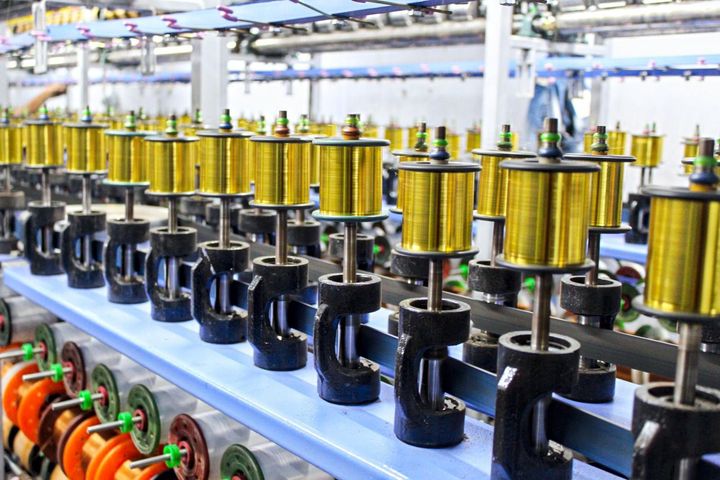
Zari Thread Production Equipment: Advanced Textile Manufacturing Solutions
Zari thread is a decorative textile material used to create metallic effects in fabrics. It is commonly associated with traditional clothing, embroidery, decorative borders, woven patterns, and ceremonial textiles. Its shiny appearance makes it an important component in many textile applications.
Zari thread manufacturing involves several stages, including preparing the base material, applying metallic layers or wrapping, winding the finished thread, and checking its quality. The exact process depends on the type of zari thread being produced and the materials selected.
Manufacturing machines play an important role in maintaining thread consistency. Different equipment is used for winding, twisting, coating, wrapping, and packaging. Understanding these machines helps explain how traditional textile materials are produced using modern industrial methods.
Importance of Zari Thread Production
Applications in the Textile Industry
Zari thread is widely used in decorative textile manufacturing. It can add brightness, texture, and visual detail to different fabrics. Traditional and contemporary textile designs often use metallic threads to create distinctive patterns.
Common applications include:
Traditional garments and embroidered clothing
Decorative textile borders and woven designs
Wedding and ceremonial fabrics
Home textile decoration
Fashion accessories and ornamental fabrics
The demand for different thread styles depends on textile design preferences, manufacturing requirements, and the intended use of the finished fabric.
Role of Manufacturing Machines
Manufacturing machines help organize production into repeatable steps. Manual processes may require close attention to winding and thread handling, while mechanized systems can support controlled movement and consistent operation.
Machine selection depends on the production scale, thread thickness, material characteristics, and desired output. A suitable production arrangement also helps reduce unnecessary handling between manufacturing stages.
Zari Thread Manufacturing Process
Preparation of Base Materials
The production process begins with selecting suitable base materials. These may include textile filaments, synthetic fibers, or other materials used according to the thread design.
The base thread is prepared through processes such as cleaning, unwinding, and tension adjustment. Proper preparation helps the material move smoothly through the subsequent manufacturing stages.
Metallic Wrapping and Coating
Some zari threads are produced by wrapping a metallic strip around a core thread. Other varieties may use metallic coatings or specialized decorative layers.
The wrapping process requires controlled material feeding and consistent tension. Uneven wrapping can affect the thread's appearance, flexibility, and suitability for weaving or embroidery.
Twisting and Winding
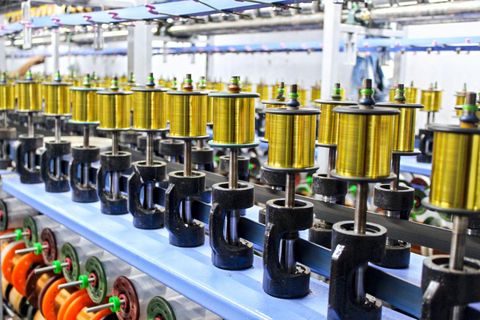
Twisting machines combine or stabilize thread components when required by the production method. Winding equipment transfers the finished thread onto suitable reels or bobbins.
These operations help prepare the material for storage, transportation, and use in textile manufacturing.
Advanced Manufacturing Technology
Automated Production Systems
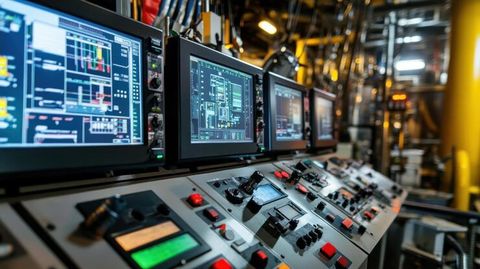
Advanced technology is increasingly used in textile production to manage repetitive operations. Automated systems can regulate winding speed, monitor thread tension, and support more consistent machine movement.
Automation does not remove the need for skilled operators. Workers still need to inspect materials, adjust machine settings, identify production problems, and maintain equipment.
Digital Monitoring and Process Control
Digital monitoring systems can display operating information such as machine speed, production status, and selected process settings. These systems help operators understand how equipment is performing.
Sensors may detect changes in tension, movement, or other operating conditions. Their usefulness depends on proper installation, calibration, and maintenance.
Comparison of Common Equipment
Equipment | Main Function | Production Stage |
|---|---|---|
Winding machine | Transfers thread onto reels | Preparation and finishing |
Twisting machine | Combines or stabilizes threads | Thread processing |
Metallic wrapping machine | Wraps metallic material around a core | Decorative thread formation |
Coating equipment | Applies a selected surface layer | Material finishing |
Inspection equipment | Checks thread appearance and consistency | Quality control |
Factory Setup
Planning the Production Area
A zari thread factory requires an organized workspace for raw materials, manufacturing machines, finished thread, and inspection activities. The layout should allow workers to move materials safely between production stages.
Separate areas for material storage and finished products can help maintain order. Proper ventilation, lighting, electrical arrangements, and machine spacing are also important considerations.
Selecting Manufacturing Machines
Machine selection should reflect the intended production process. A small manufacturing unit may begin with a limited number of machines, while a larger facility may use multiple production lines.
Before selecting equipment, manufacturers generally evaluate:
Thread types and material specifications
Required production capacity
Machine operating requirements
Maintenance and spare parts availability
Space and electrical requirements
A production guide should also include operator training, equipment maintenance schedules, and basic safety procedures.
Quality Control and Production Management
Thread Inspection
Quality control helps identify defects before the thread moves to the next manufacturing stage. Common inspection points include thread thickness, wrapping consistency, surface appearance, winding quality, and material strength.
Visual inspection and suitable measuring equipment can be used according to the product specification. Maintaining consistent inspection procedures supports reliable production records.
Machine Maintenance
Regular maintenance helps keep manufacturing machines in suitable operating condition. Cleaning, lubrication, component inspection, and replacement of worn parts may be required.
Operators should follow the equipment manufacturer's instructions and workplace safety procedures. Maintenance records can help identify recurring problems and plan servicing activities.
Recent Developments in Textile Manufacturing
Modern textile manufacturing increasingly uses automation, digital monitoring, and improved material handling. These developments are relevant to zari thread production because several manufacturing stages involve repetitive movements and precise material control.
Technology adoption varies according to factory size, equipment design, and production requirements. Some facilities use basic mechanical machines, while others integrate electronic controls and automated winding systems.
FAQs
What is zari thread manufacturing?
Zari thread manufacturing is the process of producing decorative metallic-effect threads used in textiles, embroidery, garments, and ornamental fabric designs.
Which machines are used for zari thread production?
Common equipment includes winding machines, twisting machines, metallic wrapping machines, coating equipment, and thread inspection systems.
What is required for zari thread factory setup?
Factory setup generally requires suitable manufacturing machines, raw materials, workspace planning, electrical arrangements, trained operators, and quality control procedures.
How does advanced technology support production?
Advanced technology can help regulate machine movement, monitor operating conditions, manage winding tension, and organize production information.
Why is quality control important?
Quality control helps identify inconsistencies in thread appearance, thickness, wrapping, and winding before the material is used in textile production.
Conclusion
Zari thread production combines textile materials, specialized manufacturing machines, and carefully managed processing stages. From base material preparation to metallic wrapping, winding, and inspection, each step contributes to the finished thread's appearance and usability.