Metal Scrap Shredders Explore: Modern Recycling and Scrap Processing Trends
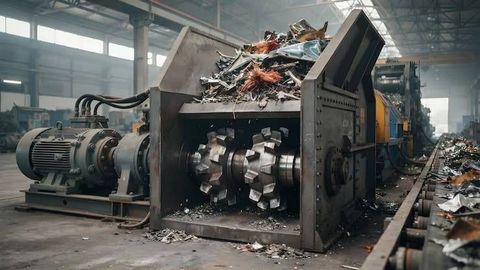
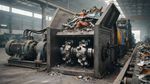
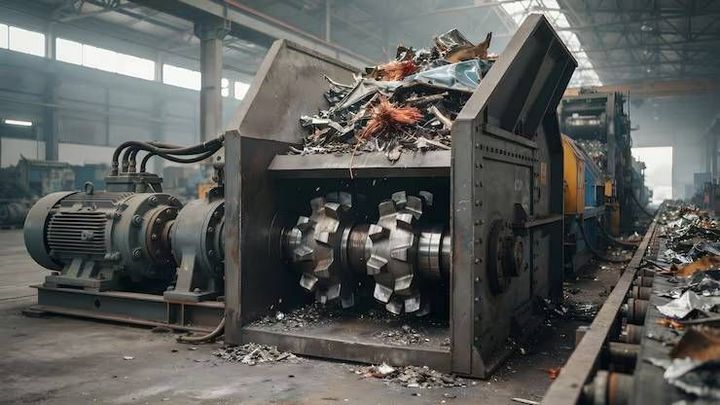
Metal scrap shredders are industrial machines designed to reduce large or irregular pieces of discarded metal into smaller, more manageable pieces. They are commonly used in recycling facilities, manufacturing plants, metal recovery operations, and waste-processing environments.
Metal materials can come from many sources, including discarded machinery, production remnants, automotive components, structural materials, appliances, cables, and other industrial products. These materials often vary in size, thickness, shape, and composition. Shredding helps prepare them for later stages of separation, sorting, and processing.
A typical metal scrap shredding system may include several connected stages:
- Material feeding
- Primary shredding
- Secondary size reduction
- Magnetic or other material separation
- Screening
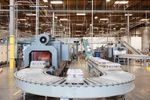
- Conveying
- Dust and safety management
Different shredders are designed for different materials. Common configurations include single-shaft, twin-shaft, four-shaft, hammer-based, and specialized scrap shredding systems.
The choice depends on factors such as material type, dimensions, hardness, required output size, throughput requirements, and the following processing stages.
Why Metal Scrap Shredders Matter Today
Metal recycling has become increasingly important as industries look for ways to use existing materials more efficiently. Shredding plays an important role because large pieces of scrap can be difficult to sort, transport, and process without initial size reduction.
One major advantage of shredding is improved material handling. Smaller and more uniform pieces can move more easily through conveyors, screens, magnets, and sorting equipment.
Metal scrap shredders can also support better separation. For example, ferrous metals can be separated using magnetic systems, while other sorting technologies can identify different material characteristics.
The technology affects several groups, including:
- Recycling and waste-processing facilities
- Manufacturing plants
- Automotive recycling operations
- Construction and demolition activities
- Metal recovery facilities
- Industrial material processors
- Environmental management teams
Supporting Material Recovery
Shredding is only one part of the recycling process. After size reduction, materials may pass through magnetic separation, eddy-current separation, screening, air classification, or sensor-based sorting.
A simplified processing flow can look like this:
Scrap Collection → Feeding → Shredding → Screening → Separation → Material Recovery
The objective is to produce material streams that are easier to process while reducing unnecessary handling.
Improving Processing Consistency
Large scrap pieces can have highly irregular shapes. A controlled shredding process creates a more consistent material stream.
This can help downstream equipment operate more predictably. Particle size, material density, moisture, and composition can still vary, but controlled size reduction provides a more manageable starting point.
Recent Trends in Metal Scrap Shredding
During 2025 and 2026, several technology trends have continued to influence industrial recycling and metal processing.
Automation and Digital Monitoring
Modern shredding equipment increasingly incorporates sensors and automated controls. These systems can monitor operating conditions such as motor load, temperature, vibration, and material flow.
Digital monitoring can help operators identify unusual operating conditions earlier. It can also provide historical information for maintenance planning and process analysis.
Artificial Intelligence and Smart Sorting
Artificial intelligence and machine-vision technologies are becoming more relevant to automated material identification and sorting.
Cameras and sensors can analyze material characteristics and support automated decisions. In larger recycling facilities, this can complement magnetic, eddy-current, and other separation methods.
AI does not replace every conventional sorting technology. Instead, it can work alongside mechanical and sensor-based systems.
Energy-Efficient Processing
Energy consumption remains an important consideration for industrial shredding. Equipment designers are therefore focusing on motor efficiency, variable-speed operation, improved drive systems, and better process control.
Energy monitoring can help facilities understand where electricity is being consumed and identify opportunities for process optimization.
Predictive Maintenance
Predictive maintenance uses equipment data to identify potential problems before major failures occur.
Sensors can monitor:
- Vibration
- Temperature
- Motor performance
- Bearing conditions
- Hydraulic pressure
- Operating hours
The collected information can support maintenance decisions and reduce unexpected interruptions.
Metal Scrap Shredder Types and Applications
Different shredder designs are suited to different material characteristics.
| Shredder Type | Typical Characteristics | Common Application |
|---|---|---|
| Single-Shaft | Controlled size reduction | Mixed industrial scrap |
| Twin-Shaft | High torque and slow-speed operation | Bulky metal materials |
| Four-Shaft | Multi-stage size reduction | More controlled particle sizing |
| Hammer-Based | High-speed impact processing | Suitable metal scrap streams |
| Specialized Systems | Designed for particular materials | Dedicated recycling applications |
The actual selection should consider the material rather than relying only on machine size or power rating.
For example, thin sheet metal behaves differently from heavy structural components. Aluminum, copper, steel, and mixed-metal scrap can also require different processing approaches.
Laws, Regulations, and Environmental Policies
Metal scrap shredding is affected by environmental, workplace safety, waste-management, and pollution-control requirements. Exact rules depend on the country, state, and type of material being processed.
In India, industrial recycling activities can be influenced by environmental regulations administered through national and state-level authorities. Facilities may need to consider requirements related to waste handling, air emissions, noise, worker safety, hazardous materials, and industrial operations.
The Environment (Protection) Act, 1986 provides an important legal framework for environmental protection in India. Other rules can apply depending on the specific waste stream and activity.
Metal-processing facilities should also consider occupational safety requirements. Shredders contain rotating components, cutting mechanisms, electrical systems, conveyors, and potentially high-noise areas.
Important safety practices include:
- Guarding moving components
- Emergency-stop systems
- Lockout and isolation procedures
- Operator training
- Personal protective equipment
- Dust and noise control
- Safe material-feeding procedures
- Regular equipment inspection
Regulations can change over time, so organizations should verify the current requirements applicable to their location and material category.
Tools and Resources for Scrap Processing
Several general tools can support planning, monitoring, and learning around metal scrap shredding.
Material Analysis Tools
Basic material-identification tools can help determine whether scrap contains ferrous or non-ferrous metals. More advanced facilities may use spectroscopy or sensor-based identification systems.
Capacity Calculators
Engineering calculators can help estimate theoretical throughput based on material density, feed dimensions, operating speed, and equipment characteristics.
Actual output can differ because of material composition, moisture, feeding practices, machine configuration, and operating conditions.
Energy Monitoring Tools
Electricity meters and industrial energy-monitoring systems can track power consumption during different processing stages.
This information can help compare operating conditions and identify unusual energy patterns.
Maintenance Checklists
Digital or printed maintenance templates can record:
- Inspection dates
- Lubrication activities
- Component condition
- Vibration observations
- Motor readings
- Safety checks
- Maintenance history
Consistent records can make equipment management easier and provide useful information for future planning.
Learning Resources
Technical manuals, recycling guidelines, equipment documentation, government publications, engineering references, and workplace safety training materials can help operators understand shredding systems and responsible material processing.
Frequently Asked Questions
What is a metal scrap shredder?
A metal scrap shredder is an industrial machine that reduces large or irregular metal materials into smaller pieces. The resulting material can then move through sorting, screening, and other recycling stages.
Which metals can be processed in shredders?
The suitable material depends on the machine design. Many industrial systems can process steel and other ferrous materials, while specialized equipment can handle aluminum, copper, and mixed-metal scrap. Material specifications should always be checked before processing.
How does shredding support metal recycling?
Shredding reduces the physical size of scrap and creates a more manageable material stream. This can make subsequent screening and separation processes easier to perform.
Are metal shredders automated?
Many modern systems include automated controls, sensors, monitoring equipment, and safety mechanisms. However, the level of automation varies between installations.
What factors affect shredder performance?
Material type, feed size, hardness, moisture, machine configuration, cutting technology, operating speed, maintenance condition, and feeding practices can all affect performance.
Conclusion
Metal scrap shredders are an important part of modern material recovery and recycling systems. By reducing large and irregular scrap into manageable pieces, they support subsequent sorting, screening, separation, and recovery processes.