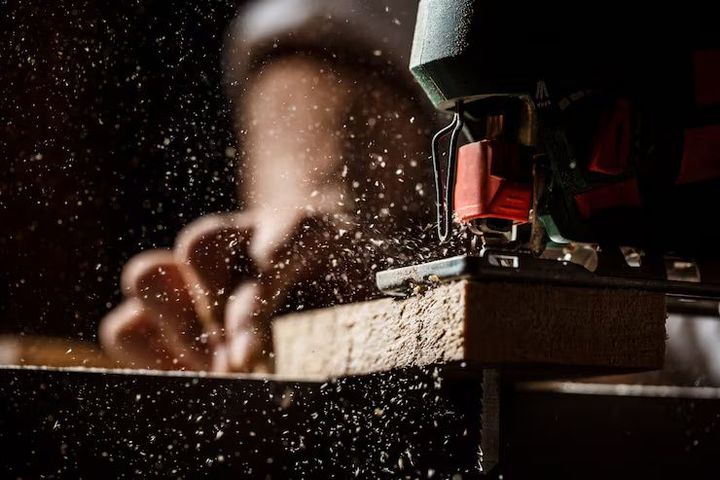
Woodworking Machinery Insights for Better Production
The woodworking industry has evolved rapidly with the introduction of automation, precision engineering, and digital control systems. From furniture manufacturing to custom wood design, advanced machinery plays a major role in improving efficiency, accuracy, and material utilization. Businesses and workshops now depend on modern equipment to handle cutting, shaping, drilling, sanding, and finishing with consistent results.
Modern production environments require machines that can process different wood materials while reducing waste and saving time. Equipment such as a cutting wood machine, tenon machine, and wood cutting laser machine has transformed how woodworking projects are completed. Understanding the capabilities of these machines can help manufacturers improve workflow and maintain quality standards.
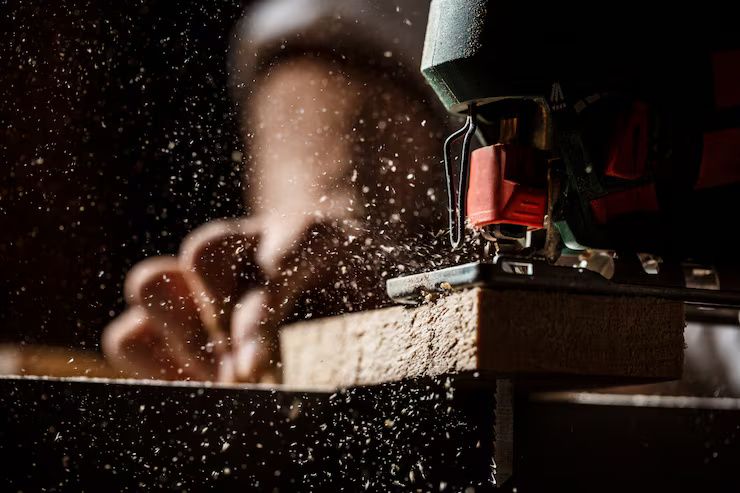
The Role of Modern Woodworking Machinery
Modern woodworking machinery combines mechanical engineering with computer-controlled technology. These systems are designed to handle repetitive tasks with greater precision than traditional manual methods. As production demands increase, automated machinery helps manufacturers maintain consistency across large batches of products.
Industrial workshops use different categories of machines depending on the production process. Some machines focus on cutting and shaping, while others are designed for carving, sanding, or assembling wood components. The integration of smart controls and safety systems has also improved operational reliability.
Key benefits of modern woodworking machinery include:
- Faster production cycles
- Reduced material waste
- Improved cutting precision
- Better workplace safety
- Consistent product quality
- Reduced manual effort
Many woodworking machine manufacturers now develop systems with digital interfaces, allowing operators to monitor machine performance and adjust settings efficiently.
Understanding Common Woodworking Machines
Different woodworking tasks require specialized machinery. Choosing the right equipment depends on production scale, material type, and project complexity.
Cutting Wood Machine Applications
A cutting wood machine is one of the most essential tools in woodworking operations. These machines are used for trimming, slicing, and shaping wood panels or solid timber into accurate dimensions. Precision cutting helps reduce errors and supports smoother assembly processes.
Modern cutting systems often include automated measuring features and programmable controls. These functions improve productivity while minimizing material wastage. In industrial settings, cutting machines are commonly used for cabinet production, flooring materials, decorative panels, and structural wood components.
Common types include:
- Panel saws
- Circular saw machines
- Band saws
- CNC cutting systems
- Table saw machines
Advanced cutting machines can also process engineered wood products such as MDF, plywood, and laminated boards with greater consistency.
The Importance of Tenon Machine Technology
A tenon machine is designed to create tenons, which are projections used in traditional wood joinery. Tenon joints are widely used in furniture production because they provide strength and durability.
Modern tenon machinery improves the speed and precision of joint preparation. Automated feed systems and adjustable cutting heads allow manufacturers to produce identical joints across multiple workpieces. This is especially important in large-scale furniture production where uniformity is essential.
Tenon machines are commonly used in:
- Chair manufacturing
- Door frame production
- Table construction
- Cabinet assembly
- Wooden structure fabrication
By improving joinery accuracy, these machines help reduce assembly errors and improve structural stability.
How Wood Cutting Laser Machine Technology Improves Accuracy
Laser-based woodworking equipment has become increasingly popular because of its precision and flexibility. A wood cutting laser machine uses concentrated laser beams to cut or engrave wood surfaces with minimal physical contact.
Unlike traditional cutting methods, laser systems can create intricate patterns and detailed shapes without damaging surrounding material. This makes them useful for decorative woodworking, signage production, customized furniture, and artistic designs.
Advantages of laser cutting systems include:
| Feature | Benefit |
|---|---|
| High precision | Produces detailed cuts and patterns |
| Minimal material waste | Reduces unnecessary wood loss |
| Faster operation | Supports higher production speed |
| Clean edges | Reduces finishing work |
| Versatile applications | Suitable for engraving and cutting |
Laser cutting technology also supports computer-aided design integration, enabling manufacturers to reproduce complex designs with consistency.
The Growing Influence of Industrial Woodworking Machinery
Industrial woodworking machinery is designed for high-volume manufacturing environments. These systems focus on efficiency, durability, and long operating cycles. Large furniture factories and commercial wood processing plants rely heavily on industrial machinery to maintain production targets.
Automated conveyor systems, robotic handling units, and CNC technology are now common in industrial woodworking facilities. These advancements reduce manual labor while improving workflow management.
Industrial machinery is commonly used for:
- Mass furniture production
- Wood panel processing
- Modular kitchen manufacturing
- Flooring material fabrication
- Construction wood components
Modern industrial systems also include dust collection mechanisms and energy-efficient motors to support safer and cleaner working conditions.
Automation and Smart Manufacturing
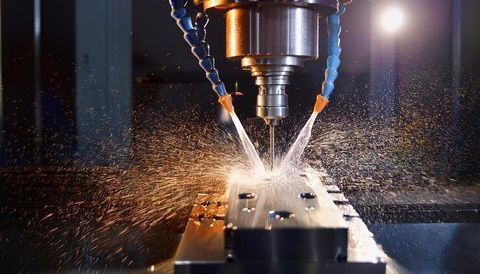
Automation has become a major trend in woodworking production. Computer numerical control systems allow machines to follow programmed instructions with minimal operator intervention. Smart manufacturing technology improves consistency while reducing operational downtime.
Features commonly found in automated woodworking systems include:
- Touchscreen control panels
- Real-time monitoring systems
- Automatic tool changing
- Material optimization software
- Predictive maintenance alerts
These technologies help manufacturers improve productivity while maintaining precision standards.
Safety and Maintenance Considerations
Safety remains a critical aspect of woodworking operations. Modern woodworking machinery includes protective systems designed to reduce workplace hazards. Emergency stop functions, protective guards, and automatic shutdown systems help improve operator safety.
Regular maintenance is equally important for maintaining machine efficiency. Preventive maintenance helps reduce breakdowns and extends equipment lifespan.
Essential maintenance practices include:
- Lubricating moving components
- Inspecting cutting blades
- Cleaning dust collection systems
- Monitoring motor performance
- Checking alignment accuracy
Proper maintenance also supports consistent cutting quality and operational stability.
Choosing Reliable Woodworking Machine Manufacturers
Selecting dependable woodworking machine manufacturers is important for long-term productivity. High-quality machinery provides better durability, operational efficiency, and technical support.
Manufacturers often specialize in different equipment categories, including CNC routers, laser systems, cutting machines, and sanding equipment. Evaluating machine specifications and production requirements can help businesses choose suitable solutions.
Important factors to consider include:
| Selection Factor | Why It Matters |
|---|---|
| Machine durability | Supports long-term operation |
| Technical support | Helps resolve operational issues |
| Automation features | Improves production efficiency |
| Safety systems | Enhances workplace protection |
| Spare parts availability | Reduces downtime |
Many manufacturers now focus on energy-efficient systems that support sustainable woodworking operations.
CNC Technology in Modern Woodworking
Computer numerical control technology has significantly changed woodworking production. CNC systems automate cutting, drilling, carving, and shaping processes with exceptional precision.
CNC woodworking machinery is widely used in:
- Furniture design
- Cabinet production
- Decorative carving
- Interior panel manufacturing
- Prototype development
One major advantage of CNC systems is repeatability. Once a design program is created, the machine can reproduce the same product multiple times without variation.
CNC machinery also reduces human error and supports complex design capabilities that are difficult to achieve manually.
Sustainability and Efficient Material Usage
Sustainability has become increasingly important in woodworking industries. Manufacturers now focus on reducing material waste and improving energy efficiency.
Modern woodworking machinery contributes to sustainability through:
- Precision cutting that minimizes scrap material
- Energy-efficient motors
- Automated material optimization
- Improved dust extraction systems
- Reduced production errors
Laser cutting and CNC systems are especially effective at maximizing material usage because they can calculate optimal cutting paths automatically.
Recycling wood waste and using eco-friendly manufacturing practices are also becoming more common across industrial woodworking facilities.
Future Trends in Woodworking Machinery
The woodworking machinery industry continues to evolve with new technological advancements. Artificial intelligence, machine learning, and smart factory integration are expected to influence future production systems.
Emerging trends include:
- AI-assisted production monitoring
- Cloud-connected machinery
- Advanced robotics integration
- Improved laser cutting systems
- Energy-efficient automation
As digital manufacturing expands, woodworking companies are likely to adopt more connected and data-driven systems to improve operational performance.
The future of woodworking machinery will likely focus on balancing productivity, precision, sustainability, and flexibility. Businesses that adapt to these innovations may achieve better production efficiency and improved product quality.
Conclusion
Woodworking machinery has become an essential part of modern manufacturing and fabrication processes. Equipment such as a cutting wood machine, tenon machine, and wood cutting laser machine provides improved precision, efficiency, and consistency for a wide range of woodworking applications.
Modern woodworking machinery supports both small workshops and large industrial facilities by improving production speed and reducing operational errors. Industrial woodworking machinery combined with automation and CNC technology has transformed traditional woodworking into a more efficient and data-driven industry.
Choosing reliable woodworking machine manufacturers and maintaining equipment properly can help businesses achieve long-term productivity and stable performance. As technology continues to evolve, woodworking production systems are expected to become even more advanced, sustainable, and intelligent.