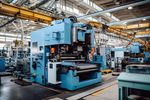
Wafer Processing Machines: An Overview of Advanced Wafer Fabrication Systems
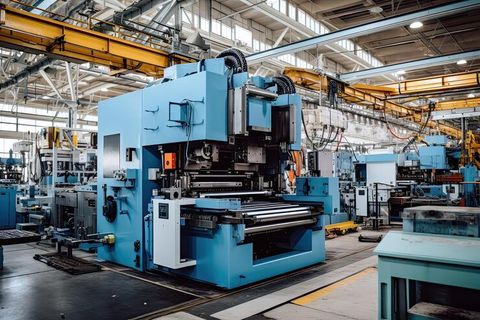
Wafer processing machines are specialized pieces of equipment used in semiconductor manufacturing to transform silicon wafers into integrated circuits and microchips. These machines perform highly precise operations that create the tiny electronic structures found in processors, memory devices, sensors, communication components, and many other technologies.
A silicon wafer serves as the foundation for semiconductor devices. Through a sequence of carefully controlled manufacturing steps, wafer processing machines build microscopic circuits layer by layer. The accuracy of these systems is measured in nanometers, making them among the most advanced manufacturing technologies in the world.
Modern electronics, including smartphones, computers, electric vehicles, medical devices, industrial automation systems, and telecommunications equipment, depend heavily on efficient wafer processing operations.
How Wafer Processing Machines Work
Wafer fabrication involves multiple stages that gradually create electronic circuits on a silicon substrate. Different machines are responsible for each production step.
The process typically begins with wafer preparation and cleaning. The wafer then moves through deposition, photolithography, etching, ion implantation, inspection, and packaging preparation stages.
Each machine operates within tightly controlled environments known as cleanrooms. These facilities minimize contamination from dust particles, moisture, and other environmental factors that could affect semiconductor quality.
The manufacturing sequence often repeats many times because advanced chips contain dozens or even hundreds of microscopic layers.
Main Types of Wafer Processing Machines
| Machine Type | Primary Function | Typical Application |
|---|---|---|
| Wafer Cleaning Systems | Remove contaminants and particles | Surface preparation |
| Deposition Equipment | Add thin material layers | Circuit formation |
| Photolithography Systems | Transfer circuit patterns | Chip design creation |
| Etching Machines | Remove selected materials | Pattern development |
| Ion Implantation Equipment | Modify electrical properties | Transistor creation |
| Chemical Mechanical Planarization Systems | Polish wafer surfaces | Layer leveling |
| Inspection and Metrology Systems | Measure and verify structures | Quality control |
| Wafer Handling Systems | Move wafers safely | Automated production |
Key Components of Wafer Processing Machines
Precision Motion Systems
- High-accuracy positioning stages
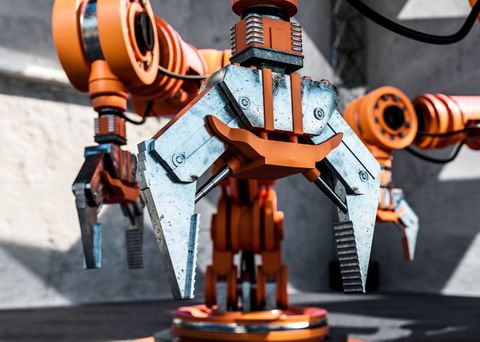
- Robotic wafer transport mechanisms
- Alignment and calibration modules
- Vibration control technologies
Process Chambers
- Vacuum chambers
- Plasma generation systems
- Temperature-controlled environments
- Gas distribution networks
Control Systems
- Industrial automation software
- Sensor monitoring platforms
- Process control algorithms
- Data collection and analysis systems
Inspection Technologies
- Optical imaging equipment
- Laser measurement tools
- Defect detection systems
- Artificial intelligence-assisted analysis
Importance of Wafer Processing Machines
Wafer processing machines play a critical role in semiconductor manufacturing because they determine device performance, reliability, and production consistency.
Their importance includes:
Manufacturing Precision
- Creation of nanometer-scale structures
- Accurate layer placement
- Consistent pattern formation
- High-quality semiconductor devices
Production Efficiency
- Automated manufacturing workflows
- Reduced manual intervention
- Increased throughput
- Improved operational consistency
Technology Advancement
- Support for advanced processors
- Development of AI hardware
- Growth of high-performance computing
- Expansion of communication networks
Quality Assurance
- Continuous process monitoring
- Early defect identification
- Statistical process control
- Improved production reliability
Applications Across Industries
Wafer processing machines support a wide variety of industries that depend on semiconductor technology.
Consumer Electronics
- Smartphones
- Tablets
- Laptops
- Smart wearables
- Gaming systems
Automotive Technology
- Electric vehicle control systems
- Advanced driver assistance systems
- Battery management electronics
- Vehicle connectivity modules
Healthcare Equipment
- Medical imaging systems
- Diagnostic instruments
- Implantable electronics
- Patient monitoring devices
Telecommunications
- 5G infrastructure equipment
- Network processors
- Optical communication devices
- Wireless communication chips
Industrial Automation
- Robotics controllers
- Smart factory systems
- Industrial sensors
- Machine monitoring platforms
Challenges Solved by Wafer Processing Machines
Semiconductor production involves extraordinary complexity. Wafer processing machines address numerous manufacturing challenges.
Miniaturization Requirements
As electronic devices become smaller and more powerful, semiconductor structures must shrink. Advanced wafer fabrication equipment enables the production of increasingly compact transistor architectures.
Manufacturing Consistency
Large-scale semiconductor production requires millions of identical devices. Automated wafer processing systems help maintain uniformity across production batches.
Defect Reduction
Microscopic defects can affect chip performance. Inspection, cleaning, and metrology equipment help identify and reduce potential issues throughout fabrication.
Material Control
Modern chips utilize multiple specialized materials. Wafer processing machines provide precise control over deposition, removal, and modification processes.
Advanced Technologies Used in Modern Equipment
The semiconductor industry continuously introduces innovations to improve manufacturing capabilities.
Artificial Intelligence Integration
- Predictive maintenance systems
- Process optimization tools
- Automated defect classification
- Production analytics platforms
Advanced Robotics
- High-speed wafer handling
- Reduced contamination risks
- Improved production efficiency
- Enhanced operational accuracy
Digital Twin Technology
- Virtual manufacturing simulations
- Equipment performance modeling
- Process validation
- Production optimization
Smart Manufacturing Systems
- Real-time monitoring
- Connected equipment networks
- Automated quality control
- Data-driven decision making
Recent Trends and Developments (2025–2026)
The semiconductor sector has experienced significant advancements during the past year.
Expansion of AI Chip Manufacturing
During 2025 and early 2026, semiconductor manufacturers increased investments in wafer fabrication equipment designed for artificial intelligence processors. Advanced nodes require more sophisticated lithography, deposition, and inspection systems.
Greater Manufacturing Automation
Many fabrication facilities have adopted enhanced automation technologies to improve productivity, reduce contamination risks, and increase operational efficiency.
Increased Focus on Energy Efficiency
Equipment manufacturers are developing systems that reduce energy consumption, optimize resource utilization, and support environmental sustainability goals.
Advanced Packaging Integration
Wafer-level packaging technologies have continued to evolve throughout 2025 and 2026. New processing equipment supports higher-density chip integration and improved performance.
Growth of Wide-Bandgap Semiconductor Production
Manufacturing equipment for silicon carbide and gallium nitride devices has gained attention due to growing demand from electric vehicles, renewable energy systems, and industrial electronics.
Industry Standards and Regulatory Considerations
Wafer processing operations must comply with various standards and regulations related to manufacturing quality, environmental management, and workplace safety.
Common Regulatory Areas
- Cleanroom operation requirements
- Hazardous material handling procedures
- Environmental protection regulations
- Occupational safety standards
- Quality management frameworks
Widely Recognized Standards
- ISO 9001 quality management standards
- ISO 14001 environmental management standards
- Semiconductor equipment safety guidelines
- Industrial automation compliance requirements
Organizations typically implement rigorous monitoring procedures to maintain compliance while ensuring consistent semiconductor production quality.
Useful Tools and Learning Resources
Individuals interested in semiconductor manufacturing can explore various educational and technical resources.
Learning Resources
- Semiconductor industry publications
- Technical research journals
- University semiconductor engineering programs
- Manufacturing technology training materials
Software Platforms
- Computer-aided design tools
- Process simulation software
- Manufacturing execution systems
- Equipment monitoring platforms
Technical Knowledge Sources
- Semiconductor industry associations
- Engineering conferences
- Research institutions
- Academic publications
FAQs
What is the primary purpose of a wafer processing machine?
Wafer processing machines create semiconductor structures on silicon wafers through processes such as deposition, lithography, etching, cleaning, and inspection. These steps enable the production of integrated circuits and electronic components.
Why are cleanrooms important for wafer processing?
Semiconductor structures are extremely small and sensitive. Cleanrooms help prevent contamination from particles, moisture, and environmental pollutants that could affect manufacturing quality.
What materials are commonly processed besides silicon?
Modern semiconductor manufacturing may also involve silicon carbide, gallium nitride, copper, tungsten, and various dielectric materials depending on device requirements.
How does automation improve wafer fabrication?
Automation increases accuracy, improves consistency, reduces contamination risks, enhances productivity, and supports continuous monitoring throughout the manufacturing process.
Which industries rely most heavily on wafer processing machines?
Consumer electronics, automotive technology, healthcare, telecommunications, industrial automation, aerospace systems, and artificial intelligence hardware development all depend heavily on semiconductor manufacturing equipment.
Conclusion
Wafer processing machines form the foundation of modern semiconductor manufacturing. These highly sophisticated systems enable the production of microchips that power countless technologies used in daily life and industry. Through precise operations such as deposition, lithography, etching, cleaning, and inspection, wafer fabrication equipment creates increasingly advanced semiconductor devices.
As artificial intelligence, electric vehicles, telecommunications infrastructure, and industrial automation continue to expand, the importance of wafer processing technology will grow even further. Ongoing developments in automation, advanced materials, energy efficiency, and smart manufacturing are helping shape the next generation of semiconductor production. Understanding wafer processing machines provides valuable insight into one of the most important technological manufacturing sectors in the modern world.