Understanding Antibody Testing Technologies and Their Role in Clinical and Laboratory Investigations
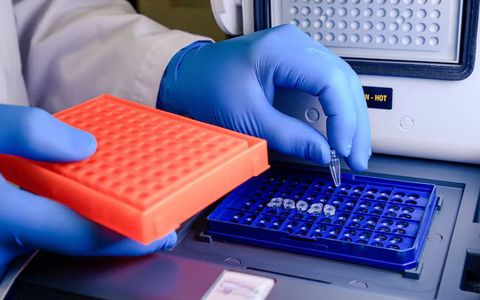
Antibody testing technologies play an important role in modern clinical and laboratory investigations. These methods help detect antibodies produced by the immune system in response to infections, vaccines, environmental exposures, or autoimmune conditions. By identifying specific immune responses, antibody testing supports research, diagnostics, and disease monitoring across many healthcare settings.
As laboratory science continues to evolve, antibody testing technologies have become more accurate, efficient, and scalable. Advances in diagnostic systems, laboratory automation, and digital data analysis have improved the reliability of test results while helping laboratories manage growing testing demands.
The increasing focus on precision medicine, public health monitoring, and biomedical research has further highlighted the value of antibody-based investigations. Healthcare professionals, researchers, and laboratory specialists rely on these technologies to better understand immune responses and support evidence-based decision-making.
Because antibody testing intersects with clinical diagnostics, biotechnology, laboratory management, and healthcare technology, understanding the underlying methods and applications has become increasingly relevant. The following sections explore who benefits from these technologies, current industry developments, practical comparisons, and future directions.
Who it affects and what problems it solves
Antibody testing technologies affect a wide range of stakeholders globally. Clinical laboratories, hospitals, diagnostic centers, biotechnology organizations, pharmaceutical researchers, academic institutions, and public health agencies all use antibody testing in different ways. Healthcare professionals often depend on antibody data to support diagnostic evaluations and monitor immune-related conditions.
These technologies help address several common challenges. One major challenge involves identifying previous exposure to infectious agents or determining whether an immune response has developed after vaccination or treatment. Antibody testing can also assist in investigating autoimmune disorders, allergy-related conditions, and certain chronic diseases.
Researchers benefit from antibody testing when studying disease mechanisms, evaluating therapeutic effectiveness, and developing new diagnostic tools. In laboratory environments, these technologies support quality control processes and contribute to more consistent analytical outcomes.
A common mistake is assuming that all antibody tests provide identical information. Different testing methods vary in sensitivity, specificity, turnaround time, and intended use. Another misunderstanding involves interpreting antibody presence as a direct indicator of complete immunity. Clinical interpretation often requires consideration of additional laboratory and medical information.
As healthcare systems continue to generate large volumes of diagnostic data, antibody testing technologies help transform complex biological information into actionable insights that support patient care, research, and operational efficiency.
Recent updates and industry trends
Over the past year, antibody testing technologies have continued to benefit from advancements in laboratory automation and digital diagnostics. Many organizations globally have increased investment in automated analyzers that improve testing throughput while reducing manual processing requirements.
Recent industry research suggests growing interest in multiplex testing platforms. These systems allow laboratories to evaluate multiple antibody targets simultaneously, improving efficiency and generating broader diagnostic information from a single sample.
Artificial intelligence and advanced data analytics are also becoming more integrated into laboratory workflows. Software platforms increasingly support result interpretation, quality monitoring, and laboratory information management. These developments contribute to greater consistency and operational transparency.
Another notable trend involves the expansion of point-of-care diagnostic technologies. While laboratory-based testing remains essential, portable testing solutions continue to evolve, providing additional flexibility in certain clinical and research environments.
Many organizations globally are also focusing on cybersecurity, data integrity, and digital record management. As laboratory systems become more interconnected, protecting diagnostic information has become a critical operational priority.
The combination of automation, cloud-based laboratory management systems, advanced biotechnology, and digital diagnostics continues to shape the future of antibody testing technologies worldwide.
Comparison of major antibody testing technology characteristics
Different antibody testing technologies provide unique advantages depending on laboratory goals and clinical requirements.
| Comparison Factor | ELISA | CLIA | Rapid Tests | Western Blot | Multiplex Assays |
|---|---|---|---|---|---|
| Efficiency | High | Very High | Moderate | Low | High |
| Automation | Moderate | High | Low | Low | High |
| Scalability | High | Very High | Moderate | Low | High |
| Maintenance Requirements | Moderate | Moderate | Low | High | Moderate |
| Flexibility | High | Moderate | Moderate | High | Very High |
| Testing Speed | Moderate | Fast | Very Fast | Slow | Fast |
| Reliability | High | Very High | Moderate | High | High |
| Energy Use | Moderate | Moderate | Low | Moderate | Moderate |
| Implementation Complexity | Moderate | High | Low | High | High |
| Integration Capability | High | Very High | Limited | Moderate | Very High |
The comparison demonstrates that no single technology is universally suitable for every application. High-throughput laboratories often prioritize automation and scalability, making CLIA and multiplex systems attractive options.
Meanwhile, research environments may value flexibility and analytical depth, where technologies such as Western Blot and specialized multiplex platforms can provide additional insights. Selection typically depends on laboratory objectives, workflow requirements, and analytical expectations.
Regulations and practical guidance
Antibody testing technologies operate within frameworks designed to support accuracy, safety, and quality assurance. International standards emphasize validation procedures, quality management systems, documentation practices, and ongoing performance monitoring.
Laboratories are generally expected to implement standardized operating procedures, maintain equipment calibration schedules, and conduct regular quality control assessments. Proper staff training is also essential to ensure reliable sample handling and result interpretation.
Compliance considerations often include data security, record retention, analytical validation, and traceability requirements. As laboratory information systems become increasingly digital, organizations must establish robust safeguards to protect sensitive diagnostic information.
Environmental considerations have also gained importance. Many laboratories are exploring ways to reduce waste generation, improve energy efficiency, and optimize resource utilization without compromising analytical performance.
Industry best practices typically include:
- Regular equipment verification
- Continuous quality improvement programs
- Standardized documentation procedures
- Internal and external quality assessments
- Risk management planning
- Secure data management practices
Organizations that follow established standards generally achieve more consistent results while improving operational reliability and stakeholder confidence.
Which option suits different situations?
Small operations:
Smaller laboratories often benefit from methods that balance reliability and operational simplicity. ELISA-based systems are commonly selected due to their versatility and manageable implementation requirements.
Large-scale systems:
High-volume testing environments frequently prioritize CLIA platforms and multiplex technologies because they support automation, scalability, and faster processing of large sample volumes.
Beginners:
Organizations introducing antibody testing programs may start with established methodologies that have extensive validation history and widely available training resources.
Experienced professionals and growing organizations:
Advanced laboratories often integrate multiple testing technologies, combining automation, software analytics, and specialized assays to meet evolving clinical and research needs.
Tools and resources
Several tools and resources help support antibody testing workflows and laboratory management:
- Laboratory Information Management Systems (LIMS) — Organize samples, workflows, and test records.
- Quality Control Management Software — Supports monitoring of testing consistency and performance.
- Automated Immunoassay Analyzers — Improve testing throughput and operational efficiency.
- Data Analytics Platforms — Assist with trend analysis and result interpretation.
- Laboratory Validation Templates — Help standardize method verification processes.
- Diagnostic Workflow Management Systems — Coordinate testing activities across laboratory departments.
- Regulatory Compliance Checklists — Support documentation and quality assurance efforts.
Frequently asked questions
What are antibody testing technologies?
Antibody testing technologies are laboratory methods used to detect antibodies produced by the immune system. These technologies help researchers and healthcare professionals investigate immune responses associated with infections, vaccinations, autoimmune conditions, and other biological processes. Different methods vary in complexity, speed, and analytical capabilities.
How do antibody tests differ from antigen tests?
Antibody tests identify immune responses that have developed over time, while antigen tests detect specific components associated with an active biological target. Because they measure different markers, the two approaches serve different purposes and are often used in complementary ways within clinical and laboratory investigations.
Are all antibody testing methods equally accurate?
No. Accuracy depends on the testing technology, laboratory procedures, sample quality, and intended application. Sensitivity and specificity may differ among methods such as ELISA, CLIA, rapid tests, and multiplex assays. Proper validation and quality control are important for achieving reliable and reproducible results.
What regulations influence antibody testing laboratories?
Laboratories generally follow international quality standards, validation requirements, documentation procedures, and operational guidelines. Compliance expectations may vary depending on local regulations, but common goals include ensuring analytical accuracy, protecting data integrity, maintaining traceability, and supporting consistent laboratory performance.
What future developments are expected in antibody testing?
Future developments are likely to focus on automation, artificial intelligence, multiplex diagnostics, digital laboratory management, and advanced analytical software. Many organizations are exploring integrated systems that combine diagnostic testing with data analytics to improve efficiency, scalability, and decision-making across clinical and research environments.
Conclusion
Antibody testing technologies have become a fundamental component of modern clinical and laboratory investigations. From supporting diagnostic assessments to advancing biomedical research, these methods provide valuable insights into immune system activity and biological responses. The growing availability of automated systems, digital diagnostics, laboratory software, biotechnology innovations, and data analytics continues to enhance testing capabilities across many sectors.
Organizations selecting antibody testing solutions should evaluate factors such as reliability, scalability, integration capability, operational complexity, and long-term quality management requirements. A balanced approach that aligns technology selection with specific laboratory objectives often delivers the most effective outcomes.
Looking ahead, global developments in automation, artificial intelligence, cybersecurity, laboratory information systems, and precision diagnostics are expected to further transform antibody testing technologies. Professionals and organizations should monitor these evolving trends as they shape the future of clinical investigations, healthcare innovation, and laboratory science worldwide.

You May Also Like