Table of Contents

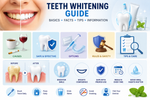
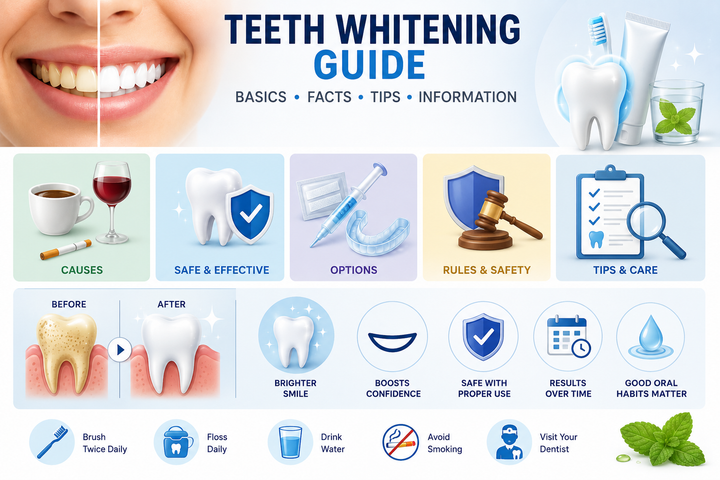
Teeth Whitening Guide: Basics, Facts, Tips, and Helpful Information

Teeth Whitening Guide: Basics, Facts, Tips, and Helpful Information

Teeth whitening is a cosmetic dental care topic related to making teeth appear lighter by reducing stains or discoloration. It exists because natural teeth can darken over time due to food, drinks, tobacco exposure, aging, certain medicines, oral hygiene habits, and changes inside the tooth structure.

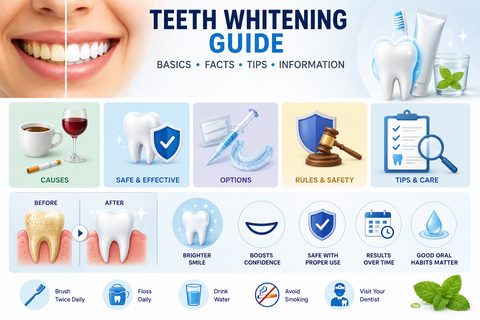
Whitening does not mean changing teeth into an artificial shade. In simple terms, it means improving the visible brightness of natural teeth within safe limits. The process may involve stain-removing toothpaste, whitening strips, dental trays, peroxide-based gels, or procedures performed under dental supervision.

The main whitening ingredients used in many products are hydrogen peroxide and carbamide peroxide. These ingredients help break down stain molecules inside or on the tooth. However, whitening is not suitable for every person in the same way. Dental restorations such as crowns, veneers, bonding, and fillings do not respond like natural enamel, so uneven color can happen.

According to the American Dental Association, temporary tooth sensitivity and gum irritation are among the most common side effects linked with whitening. The ADA also notes that overuse may damage enamel or gums, so directions and dental guidance matter.

Why Teeth Whitening Matters Today

Teeth whitening matters because tooth color can affect confidence, appearance, and how people feel about their smile. It is commonly discussed in oral health, cosmetic dentistry, dental care, enamel safety, and personal hygiene education.

Modern diets include many staining items, such as coffee, tea, cola, sauces, berries, and highly pigmented foods. Lifestyle factors such as smoking or vaping can also contribute to visible staining. For many people, whitening information helps them understand whether discoloration is external, internal, age-related, or linked to dental conditions.

Teeth whitening can help with:

  • Understanding the difference between surface stains and deeper discoloration
  • Learning when dental cleaning may be enough
  • Avoiding unsafe home experiments
  • Managing tooth sensitivity during whitening
  • Knowing why dental restorations may not whiten
  • Choosing safer oral care habits

A major problem this topic solves is confusion. Many people assume all stains can be treated the same way, but that is not accurate. Yellowing from aging, brown staining from tobacco, white spots from enamel changes, and gray tones from trauma or medicines may need different dental evaluation.

Whitening is mainly cosmetic, not a cure for dental disease. If discoloration is linked with cavities, gum issues, enamel erosion, infection, or trauma, whitening alone does not address the underlying concern. A dental checkup is important when tooth color changes suddenly, affects one tooth only, or comes with pain.

Common Causes of Tooth Discoloration

Tooth discoloration can be grouped into external and internal causes.

Type of DiscolorationCommon CausesBasic Explanation
External stainsCoffee, tea, tobacco, colored foodsStains collect on the outer tooth layer
Internal discolorationAging, trauma, medicines, enamel changesColor changes happen inside the tooth
Mixed discolorationDiet, aging, oral hygiene, enamel wearBoth outer and inner factors may be involved
Restoration mismatchCrowns, veneers, fillings, bondingDental materials do not whiten like enamel

External stains are usually easier to manage than internal discoloration. Brushing, professional cleaning, and stain-control toothpaste may help with outer stains. Internal changes may need dental assessment before any whitening approach is considered.

A simple way to understand whitening potential is this:

Whitening Response LevelSituationExpected Response
HigherSurface stains from drinks or tobaccoOften responds better
ModerateAge-related yellowingMay improve gradually
LowerGray tones, trauma-related color changesNeeds dental review
LimitedCrowns, veneers, fillingsUsually does not whiten

Recent Updates and Trends

During 2025 and early 2026, the teeth whitening discussion became more focused on safety, sensitivity, enamel protection, and responsible use. Many consumer articles and dental education sources continued highlighting whitening strips, peroxide gels, and sensitivity-focused formulas, but the repeated advice remained consistent: follow directions, avoid overuse, and consult a dental professional when there is sensitivity, gum disease, cavities, or dental restorations.

In July 2025, consumer dental guidance continued discussing whitening strips and the role of ingredients such as hydrogen peroxide and carbamide peroxide, with dentists emphasizing moderation and gum protection.

Another trend is growing interest in peroxide alternatives and enamel-supporting formulas. Some products highlight lower-irritation approaches, but “gentle” does not automatically mean riskless. Any whitening method can cause problems when used too often or used incorrectly.

A useful trend graph can be understood like this:

Whitening TopicEarlier Focus2025–2026 Focus
Main goalBrighter appearanceBrighter appearance with sensitivity control
Ingredient attentionPeroxide strengthPeroxide level, enamel safety, gum comfort
Consumer concernFaster visible changeSafer use and realistic expectations
Dental adviceWhitening method choiceSuitability, oral health status, and moderation

The strongest update is not one dramatic new rule, but a clearer safety message: whitening should be treated as a controlled cosmetic dental process, not a daily habit without limits.

U.S. Rules and Policy Context

In the United States, teeth whitening products can fall into a complex regulatory area depending on ingredients, claims, and product design. Whitening toothpaste, peroxide-based whiteners, dental trays, LED devices, and professional-use products may be treated differently depending on how they are presented and what they claim to do.

The FDA has historically had a complex position on peroxide-containing tooth whiteners, and legal commentary has described this category as a long-standing gray area in U.S. regulation.

Some dental-related products may also be affected by medical device or over-the-counter drug rules depending on ingredients and claims. For example, fluoride-related dental products and certain devices may require specific compliance steps.

For advertising and public information, the safest approach is to avoid exaggerated claims. Content should not promise permanent results, instant transformation, disease treatment, guaranteed shade changes, or universal suitability. Educational content should clearly state that results vary and that dental advice may be needed for people with sensitivity, gum disease, cavities, restorations, or medical concerns.

For comparison, the European Union has stricter concentration limits for hydrogen peroxide in tooth whitening products. Guidance linked to EU rules states that products containing more than 0.1% and up to 6% hydrogen peroxide may be used only under dental practitioner supervision and not for people under 18.

Safety Basics Before Whitening

Before using any whitening method, it is useful to understand the condition of the teeth and gums. Whitening on unhealthy teeth may lead to discomfort or uneven results.

Important safety points include:

  • Do not use whitening as a substitute for brushing, flossing, or dental checkups
  • Avoid repeated whitening cycles without a break
  • Stop use if strong sensitivity or gum irritation appears
  • Do not apply whitening gels to damaged gums
  • Be cautious if there are crowns, veneers, bonding, or fillings
  • Avoid acidic or abrasive home mixtures

The ADA’s MouthHealthy guidance explains that peroxide can pass through enamel to dentin and irritate the tooth nerve, which is why sensitivity may occur. It also warns that overuse can damage enamel or gums.

Whitening is generally more predictable when the mouth is healthy. Plaque, tartar, cavities, gum inflammation, and enamel erosion can interfere with results and comfort.

Helpful Tools and Resources

Several informational tools and resources can help people learn about teeth whitening safely:

Resource TypeHow It Helps
ADA MouthHealthy teeth whitening pageExplains whitening basics and safety concerns
ADA oral health topic libraryGives professional dental education in simple language
Dentist consultation checklistHelps prepare questions before whitening
Tooth sensitivity trackerRecords sensitivity level during whitening
Shade guide chartHelps compare tooth shade changes realistically
Oral care routine plannerSupports brushing, flossing, and stain-control habits
Ingredient label checklistHelps identify peroxide, abrasives, fluoride, and warnings

A simple sensitivity tracker can look like this:

DaySensitivity Level 1–5Gum IrritationNotes
Day 11NoNormal
Day 32MildAvoided cold drinks
Day 53MildTook a break
Day 71NoImproved

This type of tracking helps people notice whether whitening is causing discomfort. It also creates a clear record to discuss with a dentist.

Practical Teeth Whitening Tips

Good whitening advice starts with realistic expectations. Teeth naturally vary in color. A healthy smile does not need to be extremely white.

Helpful tips include:

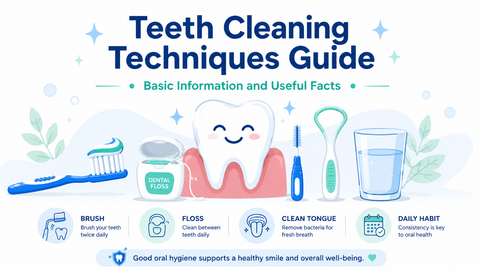
  • Brush twice daily with a soft-bristle toothbrush
  • Floss daily to reduce plaque between teeth
  • Rinse with water after coffee, tea, or staining foods
  • Avoid brushing aggressively, because enamel wear can increase yellow appearance
  • Follow product directions exactly
  • Take breaks if sensitivity appears
  • Ask a dentist before whitening if there are restorations or gum issues

Diet habits also matter. Dark-colored drinks can stain teeth over time. Using a straw for some beverages, drinking water afterward, and maintaining oral hygiene can reduce visible staining.

People with sensitive teeth may need a gentler routine. This may include desensitizing toothpaste, shorter whitening sessions, or dental evaluation before starting. Whitening should not continue through pain.

Teeth Whitening Facts

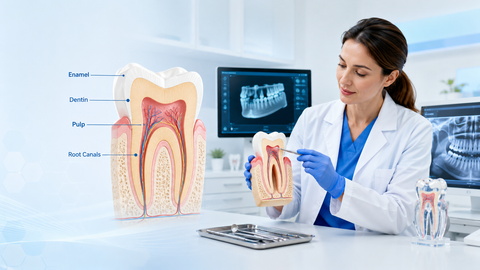
Teeth whitening works best on natural tooth enamel, not artificial dental materials. This means crowns, veneers, fillings, and bonding may remain the same color while natural teeth become lighter.

Whitening results are not permanent. New stains can appear due to diet, tobacco exposure, aging, and oral hygiene patterns.

Whitening toothpaste usually works mainly on surface stains. It may polish or remove outer discoloration but may not change deeper tooth color as much as peroxide-based methods.

More whitening does not always mean better results. Excessive use may lead to sensitivity, gum irritation, enamel damage, or unnatural translucency. ADA-related guidance warns that frequent overuse can harm enamel and gums.

Not all discoloration should be whitened immediately. A single dark tooth, sudden color change, pain, or swelling should be assessed by a dental professional.

FAQs

What is teeth whitening?

Teeth whitening is a cosmetic dental process that helps reduce stains or discoloration on natural teeth. It may involve stain-removing toothpaste, whitening strips, gels, trays, or dental procedures. It does not treat cavities, gum disease, infection, or damaged enamel.

Is teeth whitening safe?

Teeth whitening may be safe when used correctly and when the teeth and gums are healthy. The main possible side effects are temporary sensitivity and gum irritation. Overuse or incorrect use can increase risk, so directions and dental guidance are important.

Does whitening work on crowns or veneers?

No, whitening usually does not change the color of crowns, veneers, fillings, or bonding. These materials are different from natural enamel. If natural teeth become lighter, existing restorations may look darker by comparison.

Why do teeth become sensitive after whitening?

Sensitivity can happen when peroxide reaches the dentin layer under enamel and irritates the tooth nerve. This is often temporary, but whitening should be paused if discomfort increases. People with existing sensitivity should speak with a dentist before starting.

How long do whitening results last?

Results vary. Diet, oral hygiene, tobacco exposure, enamel condition, and age can all affect how long teeth stay lighter. Regular brushing, flossing, dental checkups, and stain-control habits can help maintain results.

Conclusion

Teeth whitening is a common cosmetic dental topic, but it should be approached with accurate information and realistic expectations. It can help reduce stains on natural teeth, especially when discoloration comes from food, drinks, or surface buildup. However, whitening is not suitable for every dental condition and does not replace oral health care.

The most important facts are simple: results vary, restorations do not whiten like natural teeth, sensitivity can happen, and overuse can cause harm. A safe approach focuses on oral health first, careful product use, and dental guidance when needed.

For general readers, the best teeth whitening knowledge is not about chasing the brightest shade. It is about understanding enamel safety, stain causes, whitening limits, and healthy dental habits.

author-image

Saurabh Chawla

We are a performance-driven media buying team focused on scaling brands through smart, data-backed advertising strategies

June 02, 2026 . 8 min read