Smart Meter Technology Explained: Discover Energy Tracking Systems, Facts, Information and Knowledge
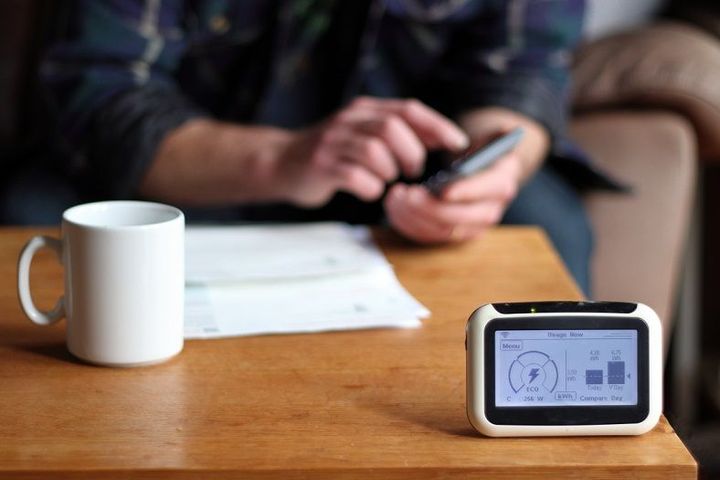
Smart meter technology refers to advanced digital devices that measure and record energy consumption automatically. Unlike traditional utility meters that require manual readings, smart meters collect usage data and transmit it electronically to utility providers and authorized energy management systems.
The development of smart meter technology emerged from the need for more accurate energy monitoring, improved grid management, and better communication between consumers and utility networks. As energy demand has increased worldwide, utilities have sought modern solutions that provide real-time or near-real-time visibility into electricity, gas, and water consumption.
Smart meters are considered a key component of modern energy infrastructure. They help create smarter electrical grids capable of managing resources more efficiently while providing users with greater awareness of their energy consumption patterns.
Why Smart Meter Technology Matters Today
Energy consumption continues to rise due to population growth, urbanization, digital transformation, and the increasing use of electronic devices. Traditional meter-reading methods often provide limited information, making it difficult for utilities and consumers to understand usage behavior.
Smart meter technology addresses several important challenges:
• Improved accuracy in energy measurement
• Reduced manual meter-reading requirements
• Better detection of outages and technical issues
• Enhanced energy efficiency awareness
• Support for renewable energy integration
• Faster identification of unusual consumption patterns
The technology affects multiple groups, including households, businesses, utility providers, energy regulators, and infrastructure planners. By offering detailed consumption information, smart meters contribute to informed decision-making and more efficient resource management.
Key Benefits of Smart Meter Systems
| Benefit | Description |
|---|---|
| Real-Time Monitoring | Tracks energy usage more frequently than traditional meters |
| Data Accuracy | Minimizes human reading errors |
| Grid Management | Supports efficient energy distribution |
| Outage Detection | Helps utilities identify disruptions quickly |
| Energy Awareness | Enables consumers to understand consumption habits |
| Sustainability Support | Assists integration of renewable energy sources |
How Smart Meter Data Flows
| Stage | Activity |
| Measurement | Smart meter records energy usage |
| Collection | Data is stored digitally |
| Transmission | Information is sent through communication networks |
| Analysis | Utilities analyze usage patterns |
| Reporting | Consumers and utilities access energy insights |
Recent Updates and Industry Trends
The smart meter industry has experienced significant developments throughout 2025 and early 2026. Many utility providers have continued large-scale modernization programs aimed at improving grid resilience and operational efficiency.
Several major trends have emerged:
• Increased adoption of Advanced Metering Infrastructure (AMI)
• Greater use of artificial intelligence for energy analytics
• Expansion of cloud-based energy management platforms
• Enhanced cybersecurity measures for utility networks
• Growth in smart grid modernization projects
• Increased integration with renewable energy systems
During 2025, numerous utilities expanded deployment programs focused on digital energy monitoring. Industry reports also highlighted rising investments in data analytics platforms capable of processing large volumes of smart meter information.
Another notable trend is the use of machine learning algorithms to identify consumption anomalies and forecast energy demand. These developments support more efficient planning and resource allocation across energy networks.
Global Smart Meter Adoption Snapshot
| Region | Adoption Trend |
| North America | Mature deployment and modernization programs |
| Europe | Continued expansion under energy efficiency initiatives |
| Asia-Pacific | Rapid growth driven by infrastructure upgrades |
| Middle East | Increasing deployment within smart city projects |
| Latin America | Gradual adoption through utility modernization efforts |
Smart Meter Technology and Government Policies
Smart meter implementation is often influenced by government regulations, energy policies, and infrastructure modernization programs. Regulatory frameworks vary between countries, but common objectives include improving energy efficiency, increasing grid reliability, and supporting environmental goals.
Many governments encourage smart meter adoption through:
• Energy efficiency initiatives
• Smart grid modernization programs
• Infrastructure investment frameworks
• Carbon reduction strategies
• Renewable energy integration policies
• Digital transformation initiatives
Regulators typically establish standards governing:
• Meter accuracy requirements
• Data privacy protections
• Cybersecurity safeguards
• Communication protocols
• Consumer information access
• Utility reporting obligations
Privacy regulations are particularly important because smart meters generate detailed consumption information. Utility providers must often comply with data protection rules that define how information is collected, stored, processed, and shared.
Smart Meter Communication Technologies
Different communication methods are used to transmit meter data.
| Technology | Common Purpose |
| Radio Frequency (RF) | Wireless meter communication |
| Cellular Networks | Wide-area data transmission |
| Power Line Communication | Uses existing power infrastructure |
| Wi-Fi Systems | Local connectivity applications |
| Mesh Networks | Utility-scale communication networks |
Each communication approach offers advantages depending on infrastructure requirements, geographic conditions, and network objectives.
Useful Tools and Resources
A variety of digital tools help users understand and analyze energy consumption data generated by smart meters.
Helpful resources include:
• Energy monitoring dashboards
• Utility customer portals
• Consumption analytics platforms
• Carbon footprint calculators
• Smart home management applications
• Energy usage reporting systems
• Grid status monitoring platforms
• Demand forecasting tools
Common features available through these tools include:
• Historical consumption tracking
• Daily and monthly usage reports
• Energy trend visualization
• Alert notifications
• Usage comparison features
• Efficiency recommendations
Example Energy Consumption Trend
The following illustration demonstrates how energy awareness can influence consumption patterns.
| Month | Relative Energy Usage |
| January | ██████████ |
| February | █████████ |
| March | ████████ |
| April | ███████ |
| May | ██████ |
This simplified example shows how monitoring information may help identify usage trends over time.
Challenges Associated with Smart Meter Technology
While smart meters provide many benefits, several challenges remain important considerations.
These include:
• Cybersecurity risks
• Data privacy concerns
• Infrastructure investment requirements
• Network connectivity limitations
• Technology compatibility issues
• Consumer awareness and education needs
Utilities and regulators continue working to address these concerns through updated standards, security frameworks, and public information initiatives.
Frequently Asked Questions
What is a smart meter?
A smart meter is a digital device that automatically records energy consumption and transmits usage information electronically. It replaces traditional manual meter-reading methods with automated data collection.
How is a smart meter different from a traditional meter?
Traditional meters generally require manual readings and provide limited consumption visibility. Smart meters automatically transmit data and support more detailed energy monitoring.
Do smart meters improve energy efficiency?
Smart meters themselves do not reduce energy usage directly. However, the information they provide can help consumers and organizations better understand consumption patterns and make informed decisions.
Is smart meter data protected?
Most jurisdictions require utility providers to follow privacy and cybersecurity regulations. Protection measures typically include secure communications, access controls, and data management standards.
Can smart meters support renewable energy systems?
Yes. Smart meters can help manage energy flows associated with renewable sources such as solar and wind power, supporting modern grid operations and energy balancing.
What industries use smart meter technology?
Smart meter technology is commonly used in electricity, gas, water, utilities, infrastructure management, smart cities, energy analytics, and environmental monitoring applications.
Conclusion
Smart meter technology represents an important advancement in modern energy management. By replacing traditional manual processes with digital monitoring systems, smart meters provide more accurate consumption data, support smarter grid operations, and improve visibility into energy usage patterns.
Recent developments in advanced metering infrastructure, artificial intelligence, data analytics, and smart grid modernization continue to expand the role of smart meters within energy ecosystems. Regulatory frameworks, cybersecurity standards, and privacy protections remain essential components of successful deployment strategies.
As energy systems become increasingly digital and interconnected, smart meter technology is expected to remain a significant part of future infrastructure planning, helping utilities, organizations, and consumers better understand and manage energy resources.