Understanding Smart Management Software
Smart management software refers to digital systems designed to organize, automate, monitor, and improve business or operational activities. These platforms are commonly used for project management, workflow tracking, customer communication, inventory monitoring, financial reporting, and team collaboration.
Over the past decade, organizations have increasingly shifted from manual spreadsheets and disconnected tools toward integrated management systems. This transition happened because businesses needed faster communication, better data visibility, improved productivity, and stronger operational control.
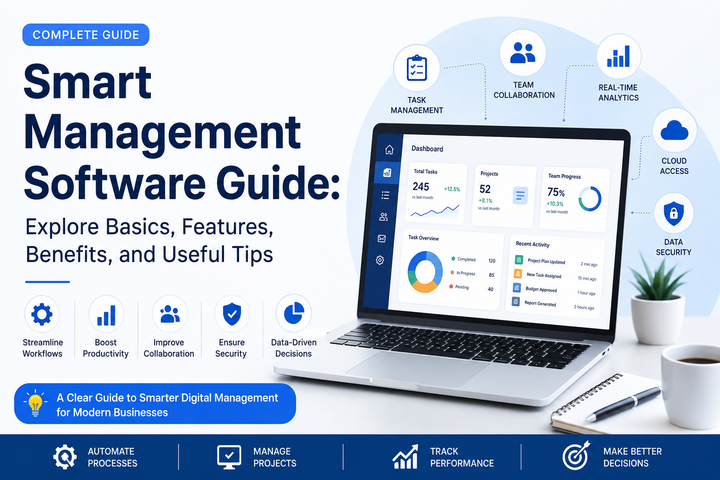
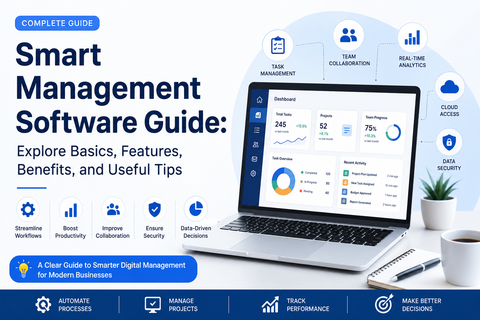
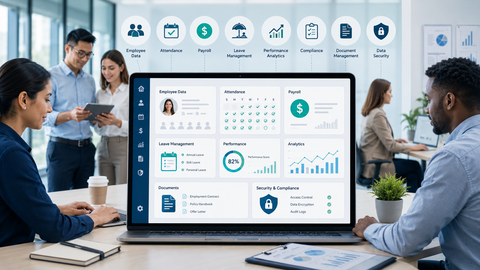
Modern smart management software often combines several functions into one centralized dashboard. Instead of using separate applications for scheduling, reporting, analytics, and communication, businesses can manage multiple processes through a unified platform.
Common examples include:
-
Workflow automation systems
-
Cloud-based project management platforms
-
CRM and ERP software
-
Team collaboration tools
-
Task management dashboards
-
Data analytics platforms
-
Inventory and asset management systems
Many industries now depend on digital management solutions, including healthcare, education, logistics, finance, manufacturing, retail, and information technology.
Why Smart Management Software Matters Today
The rise of remote work, digital operations, and data-driven decision-making has made management software more important than ever. Businesses today handle larger volumes of information, customer interactions, and operational tasks than in previous years.
Without organized systems, companies often face problems such as:
| Common Challenge | Possible Impact |
|---|
| Manual data entry | Increased errors and delays |
| Poor communication | Missed deadlines |
| Unorganized workflows | Lower productivity |
| Limited reporting visibility | Weak decision-making |
| Multiple disconnected tools | Data inconsistency |
| Delayed approvals | Operational inefficiency |
Smart management systems help reduce these problems through automation, centralized information storage, and real-time collaboration.
These tools affect a wide range of users:
-
Small business owners
-
Corporate teams
-
Remote employees
-
IT departments
-
Educational institutions
-
Healthcare administrators
-
Logistics managers
-
Finance professionals
Organizations now rely heavily on productivity software and business intelligence tools to improve efficiency and support long-term planning.
Major Benefits of Smart Management Software
Some of the most recognized advantages include:
-
Better workflow organization
-
Faster reporting and analytics
-
Improved collaboration between teams
-
Centralized document management
-
Reduced repetitive manual tasks
-
Enhanced cybersecurity monitoring
-
Real-time business tracking
-
Improved customer relationship management
The growing adoption of cloud computing has also increased accessibility. Employees can now access systems from laptops, smartphones, and tablets across different locations.
Core Features Commonly Found in Modern Platforms
Most modern management platforms include a combination of the following capabilities:
| Feature | Purpose |
|---|
| Workflow Automation | Reduces repetitive tasks |
| Cloud Storage | Centralizes files and records |
| Real-Time Analytics | Supports faster decisions |
| Task Tracking | Monitors deadlines and responsibilities |
| Collaboration Tools | Enables team communication |
| Reporting Dashboards | Visualizes performance metrics |
| Access Controls | Improves security management |
| Mobile Accessibility | Supports remote operations |
Artificial intelligence is also becoming more common in enterprise software tools. AI-powered systems can now analyze patterns, suggest optimizations, and automate repetitive administrative processes.
Recent Trends and Updates in Smart Management Software
The management software industry has changed rapidly during the past year. Several important trends have influenced how organizations use digital management systems.
AI Integration Became Mainstream in 2025–2026
Many software platforms introduced AI-based productivity features in 2025. These include:
-
Automated report generation
-
Smart scheduling systems
-
Predictive analytics
-
AI-powered customer support
-
Intelligent workflow recommendations
Businesses are increasingly exploring AI-enhanced enterprise software to improve operational efficiency and reduce administrative workloads.
Increased Focus on Cybersecurity Compliance
Following several global cybersecurity incidents in 2025, organizations began strengthening data protection standards within management platforms.
Software vendors expanded:
-
Multi-factor authentication
-
Role-based access systems
-
Encrypted cloud storage
-
Security monitoring dashboards
-
Compliance tracking tools
This shift became especially important for industries handling sensitive customer or financial information.
Growth of Low-Code and No-Code Platforms
Another major trend is the rise of low-code software development platforms. These tools allow businesses to customize workflows and automation without advanced programming knowledge.
This has helped smaller businesses adopt business automation software more easily.
Expansion of Cloud-Based Operations
Cloud management systems continued to grow globally during 2025. Many organizations moved away from locally installed software because cloud platforms provide:
-
Easier updates
-
Remote accessibility
-
Better scalability
-
Reduced infrastructure maintenance
-
Faster collaboration
Adoption Across Different Industries
| Industry | Typical Use Cases |
|---|
| Healthcare | Patient records and scheduling |
| Education | Student management and communication |
| Retail | Inventory and sales analytics |
| Logistics | Fleet tracking and route planning |
| Finance | Reporting and compliance monitoring |
| Manufacturing | Production workflow management |
| IT Services | Project tracking and ticket management |
Laws, Regulations, and Policy Considerations
Smart management software is often affected by digital regulations, privacy laws, and cybersecurity standards. Different countries have different legal requirements regarding data storage, employee monitoring, and customer information management.
Data Privacy Regulations
Many regions now require organizations to protect user information through stronger compliance measures.
Examples include:
-
GDPR in Europe
-
Digital Personal Data Protection Act in India
-
CCPA in California
-
Industry-specific compliance standards in healthcare and finance
These regulations influence how software systems collect, store, and process user data.
Cybersecurity and Data Storage Policies
Governments and regulatory bodies increasingly emphasize cybersecurity standards for cloud-based platforms.
Organizations may need to follow rules related to:
-
Data encryption
-
User authentication
-
Data retention periods
-
Audit logs
-
Incident reporting
Businesses operating internationally often need management systems capable of supporting multi-region compliance requirements.
Digital Transformation Initiatives
Several countries launched digital transformation programs during recent years to encourage businesses to modernize operations.
In India, programs supporting digitization, startup technology adoption, and cloud infrastructure development have contributed to increased use of digital management solutions among small and medium enterprises.
Helpful Tools and Resources
There are many useful platforms and resources available for learning and managing digital workflows effectively.
Popular Productivity and Management Tools
| Tool Type | Common Purpose |
|---|
| Project Management Platforms | Task coordination |
| CRM Software | Customer management |
| ERP Systems | Business operations |
| Cloud Collaboration Tools | Team communication |
| Analytics Dashboards | Performance reporting |
| Documentation Platforms | Knowledge management |
Useful Resource Categories
Professionals often use the following resources to improve operational efficiency:
-
Workflow templates
-
KPI dashboards
-
Team planning calendars
-
Automation checklists
-
Compliance documentation tools
-
Cybersecurity assessment frameworks
Educational Resources
Useful learning sources may include:
-
Official software documentation
-
Digital productivity courses
-
Cybersecurity awareness programs
-
Business automation webinars
-
Cloud computing certifications
Tips for Choosing Smart Management Software
When evaluating management systems, users often consider:
-
Ease of use
-
Scalability
-
Security features
-
Mobile compatibility
-
Integration capabilities
-
Reporting tools
-
Collaboration functions
-
Data backup options
Organizations should also evaluate long-term operational requirements before implementing large-scale systems.
Common Mistakes to Avoid
Many businesses face implementation challenges due to poor planning or unrealistic expectations.
Some common mistakes include:
-
Choosing overly complex platforms
-
Ignoring employee training
-
Failing to define workflows
-
Overlooking cybersecurity settings
-
Using too many disconnected applications
-
Not reviewing software scalability
Clear planning and gradual implementation can improve software adoption outcomes.
Frequently Asked Questions
What is smart management software used for?
Smart management software helps organizations organize workflows, automate tasks, monitor performance, manage data, and improve communication across teams and departments.
Is cloud-based management software secure?
Most modern cloud management platforms include security features such as encryption, multi-factor authentication, and access controls. However, organizations should still follow cybersecurity best practices and compliance requirements.
Can small businesses use management software effectively?
Yes. Many modern platforms are designed for both small and large organizations. Smaller businesses often use project management tools, CRM platforms, and workflow automation systems to improve productivity and organization.
What industries commonly use management software?
Industries such as healthcare, retail, logistics, finance, manufacturing, education, and information technology commonly use digital management systems for operations and reporting.
How does automation improve business management?
Automation reduces repetitive manual work, improves accuracy, speeds up approvals, enhances reporting, and allows employees to focus on strategic activities instead of routine administrative tasks.
Are AI features becoming common in management platforms?
Yes. AI integration has expanded significantly during 2025 and 2026. Many platforms now include predictive analytics, automated reporting, smart scheduling, and AI-based workflow recommendations.
Final Thoughts
Smart management software has become an important part of modern digital operations. As organizations continue adopting cloud systems, automation tools, and AI-powered analytics, the role of integrated management platforms will likely expand further.
Businesses today face increasing pressure to improve efficiency, strengthen cybersecurity, and support remote collaboration. Digital management systems help address these operational challenges through centralized workflows, automation, and real-time insights.
At the same time, organizations must remain aware of compliance requirements, cybersecurity responsibilities, and evolving technology trends. Careful planning, employee training, and clear workflow design remain essential for successful implementation.
As digital transformation continues across industries, smart management software is expected to remain a major component of productivity, operational planning, and business optimization strategies worldwide.