HR Management Software Overview: Key Details and Basic Information
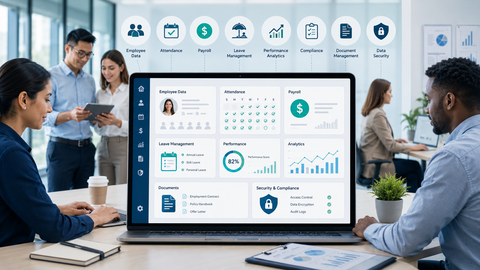
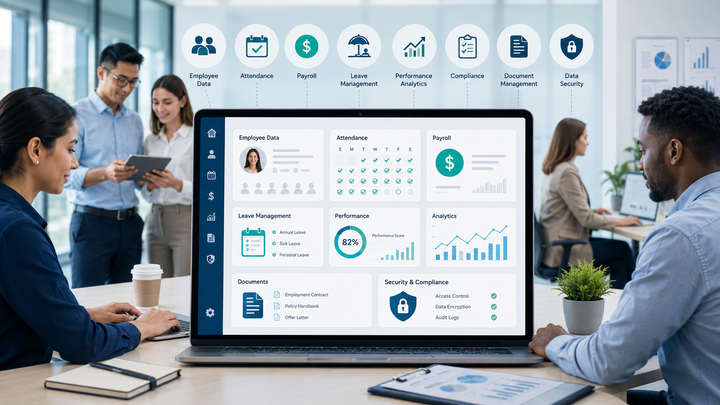
HR management software is a digital system used by organizations to manage employee-related processes in one place. It may include employee records, attendance tracking, leave management, payroll processing, performance records, HR analytics, workforce planning, and compliance documentation.
The main purpose of HR management software is to reduce manual work and improve accuracy in people operations. In many organizations, employee information is stored across spreadsheets, email folders, paper files, and separate payroll systems. This can make routine HR tasks slow, repetitive, and error-prone.
A human resource management system, commonly called HRMS, helps organize these activities through a structured platform. It allows HR teams, managers, and employees to access relevant information based on permissions. For example, an employee may check leave balance, a manager may review attendance, and an HR team may prepare payroll records.
In India, HR technology has become more important as businesses manage hybrid work, growing compliance needs, employee data privacy, and digital payroll processes. The rise of AI, cloud-based HR platforms, and employee self-access tools has also changed how companies handle workforce operations.
Why HR Management Software Exists
HR management software exists because organizations need a reliable way to manage people-related information. As a business grows, manual HR processes become difficult to control.
Common challenges include:
- Repeated manual data entry
- Incorrect attendance or leave records
- Delayed payroll calculations
- Missing employee documents
- Limited visibility into workforce data
- Difficulty tracking statutory compliance
- Inconsistent employee communication
- Slow approval workflows
An HRMS creates a centralized record system. This does not remove human decision-making, but it improves the availability of accurate data. It also gives organizations a clearer view of employee lifecycle activities, from onboarding documentation to payroll, performance tracking, training records, and exit formalities.
Why This Topic Matters Today
HR management software matters because employee data is now a critical business asset. Companies need accurate records to manage payroll, attendance, benefits, compliance, performance, and internal planning.
For small businesses, HRMS tools can reduce dependence on scattered spreadsheets. For medium and large organizations, these systems help maintain consistency across departments, locations, and business units.
The topic affects:
- HR teams managing employee records and policies
- Finance teams handling salary and payroll data
- Business owners tracking workforce structure
- Employees accessing personal HR information
- Compliance teams managing statutory documentation
- Managers reviewing attendance, leave, and performance data
The key problems solved by HR management software are accuracy, visibility, documentation, and workflow control. Instead of depending on fragmented records, organizations can maintain structured employee information in a single digital environment.
| HR Function | Manual Method Challenge | HRMS Role |
|---|---|---|
| Attendance | Errors in manual registers or spreadsheets | Digital attendance tracking |
| Payroll | Repeated calculations and corrections | Structured payroll processing |
| Leave | Email-based approvals and confusion | Leave balance and approval workflow |
| Employee Records | Scattered documents | Centralized employee profile |
| Compliance | Difficult record tracking | Statutory data organization |
| HR Analytics | Limited visibility | Reports and dashboards |
Recent Updates and Trends
Over the past year, HR management software has been shaped by AI, employee data privacy, cloud adoption, and workflow automation.
A major trend is the use of AI in HR technology. Workday said in May 2026 that it would continue expanding its India workforce and deepen AI investments. The company also noted that some client AI applications have helped speed up recruitment-related work and automate a large part of time-intensive tasks. This reflects a wider shift toward AI-supported HR operations in India.
Another trend is the increasing use of AI by Indian employees. A 2025 workplace trends report cited by Economic Times said around 70% of Indian workers used AI tools to validate ideas and solve workplace problems. This matters for HRMS because employee experience, internal productivity, and workplace technology are becoming more closely connected.
HR leaders are also paying attention to the limits of AI-based evaluation. A 2025 report discussed concerns that AI-driven performance systems may miss emotional and behavioral context, especially when employees are disengaged or mentally fatigued. This highlights the need for balanced HR systems where analytics support human judgment rather than replacing it.
Data privacy has also become central. India’s Digital Personal Data Protection Rules, 2025 were notified on 14 November 2025, fully operationalizing the Digital Personal Data Protection Act, 2023. These rules affect how organizations collect, process, secure, retain, and delete digital personal data, including employee information stored in HR systems.
A simple trend view:
| Trend Area | 2025–2026 Direction | HRMS Impact |
|---|---|---|
| AI in HR | More automation and analytics | Faster routine workflows |
| Data Privacy | Stronger personal data rules | Better consent, access, and retention controls |
| Cloud HRMS | Wider adoption | Easier access across locations |
| Employee Self-Access | More digital HR interaction | Reduced dependency on HR teams |
| HR Analytics | More dashboard-led decisions | Improved workforce planning |
Text graph: HRMS feature importance in modern organizations
Payroll Compliance ██████████
Employee Data Security ██████████
Attendance Tracking █████████
HR Analytics ████████
Employee Engagement ███████
Leave Workflow ███████
Document Management ██████
Laws, Policies, and Compliance Context in India
HR management software in India is affected by employment rules, payroll regulations, and data privacy requirements. The exact compliance requirement depends on the organization’s size, sector, state, and employee structure.
Important areas include:
- Provident Fund records
- Employees’ State Insurance records
- Professional tax, where applicable
- Tax deducted at source on salary
- Gratuity-related records
- Leave and attendance records
- Wage and salary documentation
- Employee identity and personal data protection
- Workplace policy acknowledgements
India’s Digital Personal Data Protection framework is especially relevant because HRMS platforms often store personal information such as names, addresses, identification details, bank information, salary data, attendance records, performance notes, and family details. The DPDP Rules, 2025 define how personal data should be handled, secured, retained, and deleted. EY notes that the rules introduce a structured framework for transparency, accountability, and responsible data handling, with phased compliance timelines.
The Ministry of Labour and Employment also stated that four labour codes became effective from 21 November 2025. This is relevant for payroll and HR records because changes in labour regulation can affect how organizations maintain wage, attendance, social security, and employment documentation.
HR management software does not automatically make an organization compliant. It only provides tools and structured records. Human review, legal interpretation, and accurate configuration remain important.
Helpful Tools and Resources
Organizations may use different HR tools based on size, industry, and internal processes. The following categories are commonly related to HR management software.
Employee record management tools
These help maintain employee profiles, identification data, documents, emergency contacts, role details, and department information.
Attendance and leave management systems
These track working days, leave balances, shift schedules, holidays, and approval workflows.
Payroll management platforms
These support salary structure, deductions, reimbursements, statutory records, payslip generation, and tax-related data.
HR analytics dashboards
These provide insights into attrition, attendance trends, headcount, payroll data, performance cycles, and workforce planning.
Employee self-access portals
These allow employees to view salary slips, update personal information, submit leave requests, download documents, and check policy information.
Compliance calendars
These help track recurring payroll and statutory deadlines.
Document templates
Useful templates may include onboarding checklists, policy acknowledgement forms, exit checklists, asset handover forms, and attendance correction forms.
Government and official information sources
Organizations may refer to official portals for labour, tax, provident fund, and employee insurance information. These sources should be checked regularly because rules may change.
Practical HRMS Feature Checklist
| Feature | Why It Matters |
|---|---|
| Employee database | Maintains structured employee records |
| Payroll processing | Supports salary and statutory data |
| Attendance tracking | Improves workforce visibility |
| Leave workflow | Reduces approval confusion |
| Document storage | Keeps records organized |
| Role-based access | Limits sensitive data exposure |
| HR analytics | Supports workforce decisions |
| Mobile access | Helps employees complete routine actions |
| Compliance reports | Supports audit and documentation needs |
| Data security controls | Protects employee information |
FAQs
What is HR management software?
HR management software is a digital system used to manage employee records, attendance, leave, payroll, performance data, documents, and HR workflows. It helps organizations keep people-related information organized and accessible to authorized users.
Is HRMS useful only for large companies?
No. Small and medium organizations may also use HRMS platforms to reduce manual work and improve record accuracy. The required features depend on employee count, payroll complexity, compliance needs, and internal HR processes.
What is the difference between HRMS and payroll software?
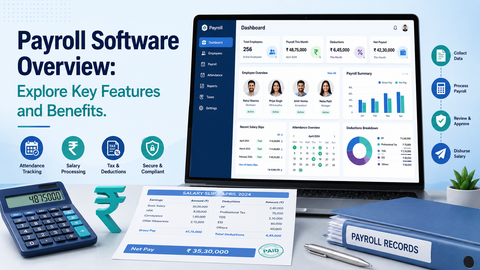
Payroll software mainly focuses on salary, deductions, tax data, payslips, and statutory records. HRMS is broader. It may include payroll along with employee records, attendance, leave, performance, documents, analytics, and employee self-access.
Does HR management software improve compliance?
It can support compliance by keeping records structured and easier to review. However, compliance depends on correct configuration, updated policies, accurate data, and professional review of applicable laws.
Why is data privacy important in HR software?
HR systems store sensitive employee information. This may include salary details, bank information, identity documents, contact details, and attendance data. Strong privacy controls help reduce misuse, unauthorized access, and retention-related risks.
Conclusion
HR management software is now an important part of modern workforce administration. It helps organizations manage employee records, payroll, attendance, leave, documents, HR analytics, and compliance-related information in a structured way.
In India, the relevance of HRMS has increased because of digital payroll practices, AI adoption, hybrid work models, and stronger attention to employee data privacy. The DPDP Rules, 2025 and recent labour-code developments make structured record management more important for organizations handling employee information.
An HRMS should be seen as an operational support system, not a replacement for HR judgment or compliance review. The best use of HR technology is to combine accurate data, clear workflows, secure access, and responsible human decision-making.