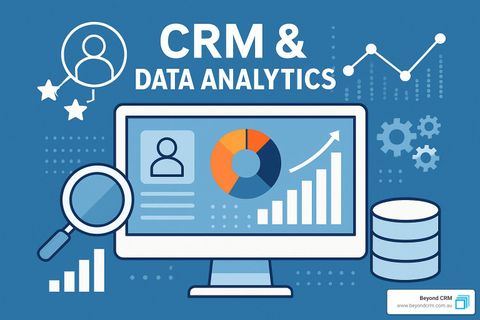
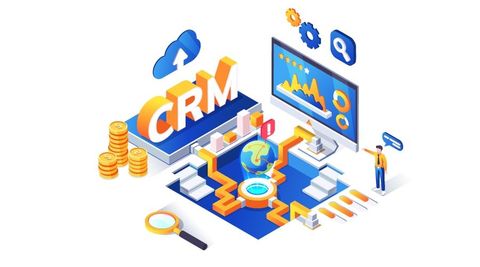
Instead of manually transferring data or relying on isolated workflows, integration platforms act as a central layer that automates data flow between applications. This ensures consistency, reduces errors, and enables real-time synchronization. These platforms are often referred to as Integration Platform as a Service (iPaaS), highlighting their cloud-native architecture and scalability.
Modern digital ecosystems are highly fragmented. Businesses use dozens of tools, each serving a specific purpose. Without integration, this leads to data silos, inefficiencies, and poor decision-making. SaaS integration platforms solve this by enabling unified workflows and centralized data visibility.
Key components of a SaaS integration platform include:
-
API management for connecting applications
-
Data transformation tools for compatibility
-
Workflow automation engines
-
Monitoring and analytics dashboards
These platforms are designed to simplify complex integrations, making them accessible even to non-technical users through visual interfaces and pre-built connectors.
Why SaaS Integration Platforms Matter Today
The importance of SaaS integration platforms has increased due to the rapid adoption of cloud computing and digital transformation strategies. Organizations across industries rely on multiple SaaS applications to manage operations, customer relationships, and internal processes.
Without integration, businesses face challenges such as:
-
Data duplication and inconsistency
-
Delayed reporting and analytics
-
Increased manual workload
-
Limited scalability
SaaS integration platforms address these issues by enabling automated workflows and real-time data exchange. This improves operational efficiency and enhances decision-making capabilities.
They are especially relevant for:
-
Enterprises managing large-scale cloud ecosystems
-
Small and medium organizations adopting digital tools
-
Data-driven teams requiring real-time insights
-
IT departments focused on system interoperability
From a financial perspective, integration platforms also contribute to better resource utilization. By reducing manual processes and improving system efficiency, organizations can optimize operational performance.
Another key benefit is improved customer experience. When systems are integrated, customer data is consistent across platforms, allowing for personalized interactions and faster service deliveryRecent Developments and Trends in SaaS Integration
Over the past year, several trends have shaped the evolution of SaaS integration platforms. These changes reflect the growing complexity of digital ecosystems and the need for smarter, more secure integrations.
AI-Powered Integration (2025)
Artificial intelligence is being integrated into SaaS platforms to automate workflows, predict integration issues, and recommend optimizations. AI-driven mapping and error detection have become more common, reducing the need for manual configuration.
Low-Code and No-Code Platforms (2025–2026)
Integration tools now offer low-code interfaces, allowing users with minimal technical expertise to build workflows. This democratizes access to integration technology and accelerates deployment timelines.
Event-Driven Architecture Adoption (Late 2025)
Event-driven integrations enable systems to respond instantly to changes, improving real-time data processing. This is particularly useful for applications like financial transactions and customer engagement platforms.
Enhanced API Security Standards (2025)
With increased data exchange, API security has become a priority. New authentication protocols and encryption methods are being implemented to protect sensitive data.
Hybrid Integration Models (2026)
Organizations are combining cloud and on-premise systems. Integration platforms now support hybrid environments, ensuring compatibility across different infrastructures.
Regulatory and Policy Considerations
SaaS integration platforms operate within a framework of data protection and cybersecurity regulations. These rules influence how data is transferred, stored, and accessed across systems.
Common regulatory considerations include:
-
Data privacy laws that govern user information
-
Cross-border data transfer restrictions
-
Security compliance standards for cloud systems
-
Industry-specific regulations for sectors like finance and healthcare
For example, data protection regulations require organizations to ensure that integrated systems handle personal data responsibly. This includes encryption, access controls, and audit trails.
Organizations must also ensure compliance with:
-
General data protection frameworks
-
Cloud security certifications
-
API governance policies
Failure to comply with these regulations can result in legal consequences and reputational risks. Therefore, integration platforms often include built-in compliance features such as logging, monitoring, and role-based access control.
Tools and Resources for SaaS Integration
There are several tools and platforms available that help manage SaaS integrations efficiently. These tools vary in complexity, features, and use cases.
Below is a comparison table of commonly used integration tools:
| Tool Name | Key Feature | Best Use Case |
|---|
| Zapier | Workflow automation | Simple app integrations |
| MuleSoft | API-led connectivity | Enterprise-level integration |
| Workato | Intelligent automation | Business process automation |
| Dell Boomi | Cloud-native integration | Hybrid environments |
| Make (Integromat) | Visual workflow builder | Custom automation workflows |
Additional useful resources include:
-
API documentation platforms for developers
-
Integration templates for common workflows
-
Monitoring dashboards for performance tracking
-
Data mapping tools for compatibility
When selecting a tool, it is important to consider factors such as scalability, security features, ease of use, and compatibility with existing systems.
Frequently Asked Questions
What is the difference between SaaS integration and API integration?
SaaS integration focuses on connecting cloud applications, while API integration refers to the technical method used to enable communication between systems. SaaS integration often uses APIs as a core component.
Do SaaS integration platforms require coding knowledge?
Many modern platforms offer low-code or no-code interfaces, allowing users to create integrations without extensive programming skills. However, advanced use cases may still require technical expertise.
How do integration platforms improve data accuracy?
They automate data transfer between systems, reducing manual entry errors and ensuring consistent information across applications.
Are SaaS integration platforms secure?
Most platforms include security features such as encryption, authentication, and access controls. However, organizations must also follow best practices to ensure data protection.
Can integration platforms scale with business growth?
Yes, cloud-based integration platforms are designed to scale as the number of applications and data volume increases.
Conclusion
SaaS integration platforms have become an essential part of modern digital infrastructure. They enable seamless communication between cloud applications, improve operational efficiency, and support data-driven decision-making.
As organizations continue to adopt multiple SaaS tools, the need for integration will only grow. Advances in AI, low-code development, and security standards are making these platforms more accessible and powerful.
Understanding how SaaS integration works, along with its regulatory and technical aspects, helps organizations build efficient and compliant systems. By leveraging the right tools and strategies, businesses can create a connected ecosystem that supports long-term growth and innovation.