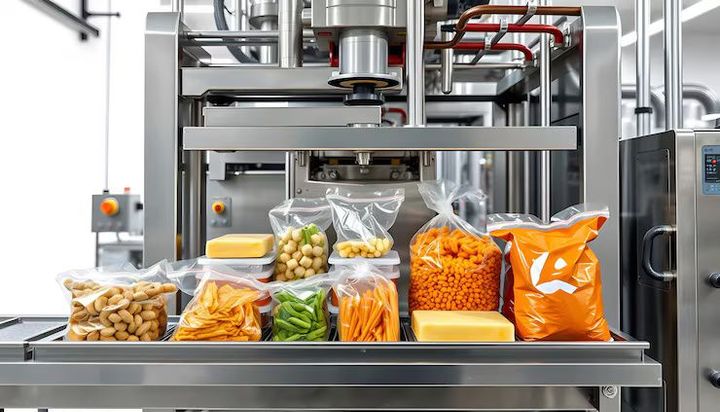
Smart Food Sealing Machines: Essential Facts and Practical Insights
Smart food sealing machines help preserve food quality, improve packaging consistency, and support efficient food handling. This guide explains how they work, why they matter, recent industry developments, regulatory considerations, useful resources, and frequently asked questions.
Smart food sealing machines are packaging systems designed to seal food containers, pouches, trays, and bags using automated controls and digital technologies. They help create secure packaging that protects food from air, moisture, dust, and contamination.
These machines have evolved from simple manual equipment into advanced systems featuring programmable controls, temperature monitoring, digital displays, and intelligent sensors. As food production continues to modernize, reliable sealing technology has become an important part of maintaining packaging quality and reducing unnecessary waste.
Industries such as food processing, commercial kitchens, agricultural packaging, dairy production, snack manufacturing, frozen foods, and beverage packaging commonly use smart food sealing machines. Their growing popularity reflects the increasing focus on packaging consistency and food safety.
Importance
Food packaging plays a major role in protecting products during storage and transportation. Smart food sealing machines improve packaging accuracy while supporting better operational efficiency.
Some key advantages include:
- Consistent sealing quality across different packaging materials.
- Reduced packaging errors through automated controls.
- Better protection against environmental contamination.
- Improved shelf stability for many packaged food products.
- Easier monitoring through digital control systems.
- Enhanced production workflow in modern packaging facilities.
The technology benefits food manufacturers, packaging facilities, commercial kitchens, agricultural processors, and distribution centers that handle packaged food products every day.
Packaging Technology Comparison
| Feature | Traditional Sealing | Smart Food Sealing Machines |
|---|---|---|
| Temperature Control | Manual | Digital Monitoring |
| Process Consistency | Moderate | High |
| Automation | Limited | Advanced |
| Data Tracking | Minimal | Available |
| Quality Monitoring | Manual Inspection | Sensor-Based Monitoring |
| Energy Efficiency | Standard | Optimized Operations |
Recent Updates
The past year has seen continued improvements in food packaging automation. During 2025 and early 2026, manufacturers introduced more intelligent monitoring systems capable of tracking sealing temperature, pressure, and cycle consistency in real time.
Several industry trends are becoming more common:
- Greater integration with Industrial Internet of Things (IIoT) platforms.
- Increased adoption of predictive maintenance software.
- Better energy-efficient heating technologies.
- Improved compatibility with recyclable packaging materials.
- Expansion of touchscreen control panels with multilingual interfaces.
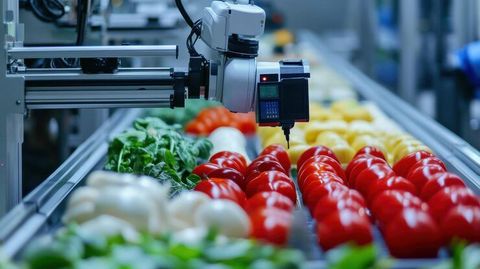
- More automated quality inspection using vision systems.
Another noticeable trend is the growing interest in sustainable packaging solutions. Many packaging facilities are adapting equipment to work with recyclable and environmentally friendly packaging materials while maintaining reliable seal quality.
Industry Adoption Overview
| Industry | Typical Packaging Need | Automation Level |
|---|---|---|
| Dairy Processing | Leak-resistant packaging | High |
| Frozen Foods | Moisture protection | High |
| Bakery Products | Freshness preservation | Medium |
| Snack Manufacturing | Airtight packaging | High |
| Ready-to-Eat Meals | Tray sealing | High |
| Agricultural Products | Protective packaging | Medium |
Laws or Policies
Food sealing machines operate within broader food safety and packaging regulations established by national authorities. Although requirements vary by country, manufacturers generally follow frameworks related to:
- Food contact material standards.
- Food safety management systems.
- Packaging hygiene practices.
- Equipment sanitation requirements.
- Manufacturing quality management.
- Environmental packaging regulations.
Many countries also encourage compliance with internationally recognized food safety systems that emphasize cleanliness, traceability, quality control, and documented manufacturing processes.
As sustainability policies continue to evolve, recyclable packaging materials and environmentally responsible manufacturing practices are receiving greater attention across the food industry.
Tools and Resources
Several practical resources help organizations understand food packaging technology and quality management.
Useful learning resources include:
- Packaging design templates.
- Production planning worksheets.
- Food safety checklists.
- Packaging material compatibility guides.
- Maintenance scheduling templates.
- Temperature monitoring logs.
- Digital quality inspection software.
- Packaging efficiency calculators.
- Equipment performance dashboards.
- Technical training manuals.
These resources assist packaging teams in maintaining consistent operations while improving process documentation and quality monitoring.
FAQs
What is a smart food sealing machine?
A smart food sealing machine is an automated packaging system that uses digital controls, sensors, and programmable settings to create consistent and reliable food package seals.
How does smart sealing improve food packaging?
Digital monitoring helps maintain stable sealing conditions, reduces inconsistencies, improves packaging quality, and supports efficient production workflows.
Which industries commonly use these machines?
Food processing, dairy production, frozen food manufacturing, snack production, bakery operations, agricultural packaging, beverage packaging, and commercial kitchens commonly use smart sealing technology.
Are smart food sealing machines suitable for sustainable packaging?
Many modern systems are designed to work with recyclable and environmentally friendly packaging materials, depending on packaging specifications and production requirements.
What technologies are becoming common in modern sealing machines?
Recent developments include intelligent sensors, predictive maintenance systems, digital monitoring, touchscreen interfaces, automated inspection, Industrial IoT connectivity, and production data analytics.
Conclusion
Smart food sealing machines have become an important part of modern food packaging by combining automation, digital monitoring, and consistent sealing performance. Their role extends beyond packaging efficiency to supporting food protection, operational reliability, and improved production quality.
As packaging technology continues to evolve throughout 2026, greater automation, sustainability, and intelligent monitoring are expected to shape future developments. Understanding these systems helps businesses, students, and industry professionals appreciate how advanced packaging technologies contribute to safer and more efficient food handling practices.
Disclaimer
This article is intended for educational and informational purposes only. Regulations, equipment specifications, and packaging practices may vary by country, industry, and application. Readers should consult applicable local regulations and official technical guidance when evaluating food packaging processes.