Sleep Study Equipment Explained: Explore Guide, Basics, Tips, Insights, Knowledge, Facts, and Helpful Resources
Sleep study equipment refers to the devices and monitoring systems used to evaluate sleep patterns, breathing, movement, heart activity, and other physiological functions during sleep. These tools are commonly associated with sleep diagnostics, sleep apnea testing, respiratory monitoring, polysomnography systems, and digital sleep health technologies.
Sleep-related disorders affect millions of people worldwide. Conditions such as obstructive sleep apnea, insomnia, restless legs syndrome, circadian rhythm disorders, and narcolepsy can influence overall health, daily functioning, and quality of life. Sleep study equipment exists to help healthcare professionals collect objective information that supports accurate assessment and clinical decision-making.
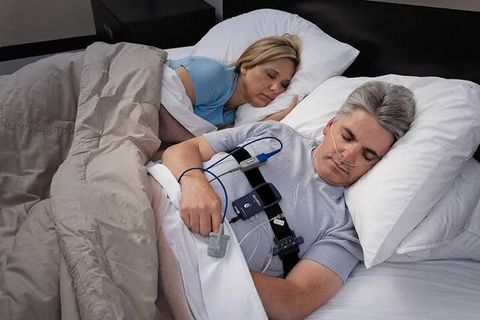
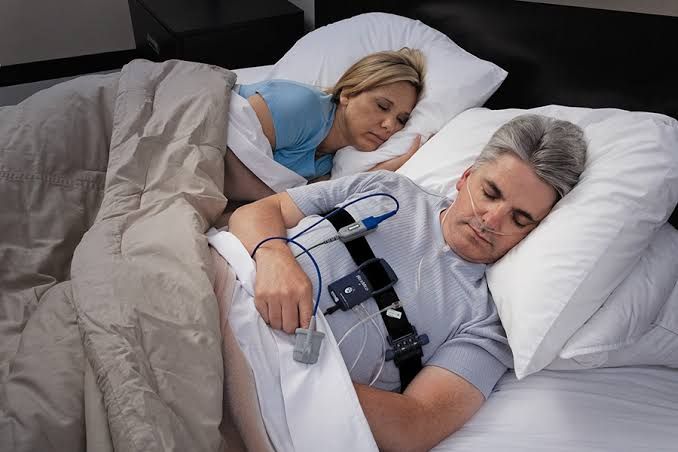
Traditional sleep studies are often conducted in specialized sleep laboratories, where multiple sensors monitor different body functions throughout the night. Advances in medical technology have also led to portable sleep monitoring devices that can collect data outside of clinical environments.
Common Types of Sleep Study Equipment
| Equipment Type | Primary Function |
|---|---|
| Polysomnography System | Comprehensive overnight sleep monitoring |
| EEG Sensors | Record brain activity during sleep |
| ECG Sensors | Monitor heart rhythm |
| Pulse Oximeter | Measure blood oxygen levels |
| Respiratory Sensors | Track breathing patterns |
| CPAP Monitoring Devices | Evaluate sleep apnea treatment effectiveness |
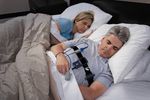
| Home Sleep Test Devices | Collect sleep data outside sleep laboratories |
| Actigraphy Monitors | Measure movement and sleep-wake cycles |
Many modern sleep diagnostic systems integrate cloud-based reporting, digital data analysis, and automated event detection technologies.
Why Sleep Study Equipment Matters Today
Sleep health has become an increasingly important public health topic. Research continues to show strong links between sleep quality and cardiovascular health, cognitive performance, metabolic function, and emotional well-being.
Sleep study equipment plays a significant role in identifying underlying conditions that may otherwise remain undetected. Individuals experiencing chronic fatigue, loud snoring, breathing interruptions during sleep, or excessive daytime sleepiness may benefit from sleep evaluation.
Several groups are commonly affected by sleep-related challenges:
- Adults with suspected sleep apnea
- Older individuals experiencing sleep disturbances
- People with cardiovascular conditions
- Individuals with obesity-related breathing issues
- Shift workers with disrupted sleep schedules
- Patients with neurological disorders
Problems Sleep Monitoring Equipment Helps Address
Sleep diagnostic technology helps identify:
- Obstructive sleep apnea
- Central sleep apnea
- Insomnia-related patterns
- Restless legs syndrome
- Periodic limb movement disorders
- Circadian rhythm disruptions
- Sleep-related breathing disorders
Early identification can support appropriate medical evaluation and ongoing management strategies.
Key Benefits of Modern Sleep Diagnostics
| Benefit | Description |
|---|---|
| Data Accuracy | Provides objective sleep measurements |
| Early Detection | Helps identify sleep disorders sooner |
| Treatment Monitoring | Tracks changes over time |
| Remote Monitoring | Supports home-based testing |
| Digital Reporting | Improves data accessibility |
| Long-Term Tracking | Allows trend analysis across multiple studies |
Recent Updates and Industry Trends
Sleep technology has experienced notable developments throughout 2025 and early 2026.
Several manufacturers introduced advanced wearable sleep monitoring technologies with enhanced sensor accuracy and machine-learning-assisted sleep analysis. Healthcare organizations have also increased interest in remote patient monitoring systems that allow sleep-related data collection outside traditional laboratory settings.
Recent trends include:
- Greater adoption of home sleep apnea testing devices
- Increased use of artificial intelligence in sleep data interpretation
- Expanded cloud-based sleep reporting platforms
- Improved wireless sensor technologies
- Integration with digital health records
- Enhanced remote respiratory monitoring capabilities
Sleep Technology Trends Overview
Trend Adoption Growth

AI-Assisted Analysis        ██████████
Home Sleep Testing          ████████████
Wireless Sensors            ██████████
Cloud Reporting             ███████████
Wearable Monitoring         █████████████
Remote Monitoring           ███████████
Industry discussions during 2025 highlighted growing demand for portable diagnostic equipment, particularly for sleep apnea assessment and long-term monitoring applications. Researchers have also explored the use of advanced algorithms to improve detection accuracy for respiratory events and sleep-stage classification.
Medical technology publications throughout 2025 reported continued investment in digital health infrastructure that supports sleep medicine and remote diagnostics.
Emerging Technologies
New developments frequently focus on:
- Contactless sleep monitoring systems
- AI-powered diagnostic support
- Smart respiratory sensors
- Advanced pulse oximetry technologies
- Digital polysomnography platforms
- Integrated patient data management systems
These innovations aim to improve efficiency, accessibility, and data quality within sleep medicine.
Regulations and Policies Affecting Sleep Study Equipment
Sleep study equipment is generally classified under medical device regulations in many countries. Regulatory frameworks help ensure device safety, performance, and reliability.
Key regulatory areas often include:
- Medical device registration requirements
- Clinical evaluation standards
- Data privacy protections
- Quality management systems
- Patient safety requirements
- Cybersecurity standards for connected devices
Examples of Regulatory Oversight
| Regulatory Area | Purpose |
|---|---|
| Medical Device Rules | Device safety and effectiveness |
| Data Protection Laws | Safeguarding patient information |
| Clinical Standards | Consistent testing procedures |
| Quality Assurance Requirements | Equipment reliability |
| Digital Health Policies | Management of electronic health data |
Healthcare facilities and manufacturers typically follow established standards related to sleep diagnostics, respiratory monitoring systems, and patient monitoring equipment.
Government health agencies and regulatory bodies may periodically update guidance regarding connected medical devices, cybersecurity protections, and digital health technologies as innovations continue to evolve.
Data Privacy Considerations
Because sleep monitoring systems often collect sensitive health information, data protection regulations have become increasingly important. Organizations managing sleep data generally focus on:
- Secure storage practices
- Controlled data access
- Patient consent procedures
- Encrypted information transfer
- Cybersecurity risk management
These measures help maintain trust and support responsible use of health-related information.
Helpful Tools and Resources
Many educational and professional resources help individuals learn more about sleep diagnostics and sleep health technologies.
Useful categories include:
- Sleep assessment questionnaires
- Sleep tracking applications
- Medical device databases
- Sleep research publications
- Clinical practice guidelines
- Respiratory health resources
- Sleep health education portals
Resource Categories
| Resource Type | Purpose |
|---|---|
| Sleep Diaries | Track sleep habits |
| Sleep Calculators | Estimate sleep schedules |
| Research Databases | Access scientific studies |
| Medical Guidelines | Review clinical recommendations |
| Health Tracking Apps | Monitor sleep patterns |
| Educational Portals | Learn about sleep disorders |
Commonly Used Sleep Health Metrics
Sleep studies often evaluate:
- Total sleep time
- Sleep efficiency
- Oxygen saturation
- Respiratory event frequency
- Heart rate variability
- Sleep stage distribution
- Wake-after-sleep-onset measurements
Understanding these metrics can help individuals better appreciate how sleep assessment technologies function.
Frequently Asked Questions
What is a sleep study?
A sleep study is a diagnostic assessment that records various physiological activities during sleep, including breathing, heart rhythm, oxygen levels, body movement, and brain activity.
What equipment is used during a sleep study?
Common equipment includes EEG sensors, respiratory monitors, pulse oximeters, ECG sensors, airflow sensors, and polysomnography systems that collect comprehensive sleep-related data.
Can sleep studies be performed outside a sleep laboratory?
Yes. Home sleep testing devices are increasingly used for specific sleep-related assessments, particularly for evaluating suspected sleep apnea under appropriate clinical guidance.
What conditions can sleep study equipment help identify?
Sleep study equipment may help identify sleep apnea, insomnia-related patterns, restless legs syndrome, circadian rhythm disorders, periodic limb movement disorders, and other sleep-related conditions.
Why are oxygen levels monitored during sleep studies?
Oxygen monitoring helps detect breathing disruptions that may occur during sleep. Changes in oxygen saturation can provide important information about respiratory function and sleep-related breathing disorders.
How has technology changed sleep diagnostics?
Advances in wireless sensors, artificial intelligence, cloud-based reporting, wearable monitoring devices, and remote patient monitoring systems have expanded the capabilities of modern sleep diagnostics.
Conclusion
Sleep study equipment plays an important role in understanding sleep health and supporting the assessment of various sleep-related conditions. From traditional polysomnography systems to advanced wearable monitoring technologies, these tools provide valuable information about breathing patterns, brain activity, oxygen levels, movement, and overall sleep quality.
Recent developments in artificial intelligence, remote monitoring, digital health infrastructure, and wireless sensor technology continue to shape the future of sleep diagnostics. At the same time, regulatory frameworks and data protection requirements help promote safety, reliability, and responsible handling of sensitive health information.
As awareness of sleep health grows, sleep study equipment remains an important component of modern healthcare, contributing to improved understanding of sleep patterns and supporting evidence-based approaches to sleep assessment and monitoring.

You May Also Like