Jump to a Chapter

Explore Surgical Microscopes: Tips, Information, Overview, Details, Knowledge, and Helpful Resources

Explore Surgical Microscopes: Tips, Information, Overview, Details, Knowledge, and Helpful Resources

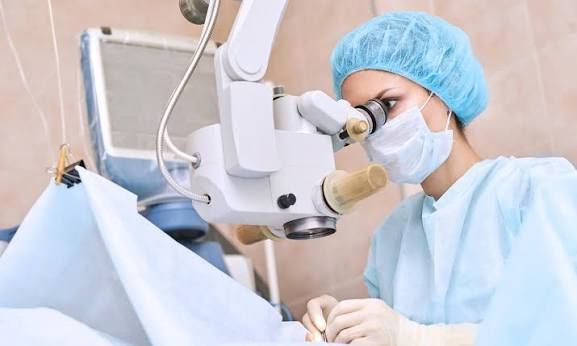
Surgical microscopes are advanced optical devices used to provide magnified and illuminated views of small anatomical structures during medical procedures. They help healthcare professionals perform precise examinations and treatments in areas where visibility is limited.

The development of surgical microscope technology emerged from the need for greater precision in medical procedures involving delicate tissues, nerves, blood vessels, and microscopic structures. Traditional visual methods often made it difficult to observe very small details, leading to the adoption of magnification systems in operating environments.

Today, surgical microscopes are commonly associated with specialties such as neurosurgery, ophthalmology, otolaryngology (ENT), spinal procedures, reconstructive surgery, and dentistry. Their role continues to expand as medical technology advances and procedures become increasingly precise.

The growing use of digital imaging, optical magnification systems, medical imaging technology, healthcare equipment solutions, and surgical visualization platforms has increased interest in this field among healthcare professionals and researchers.

Overview of Common Surgical Microscope Applications

Medical FieldTypical Use
NeurosurgeryViewing nerves, blood vessels, and brain structures
OphthalmologyEye-related procedures and examinations
ENT ProceduresEar, nose, and throat treatments
DentistryEndodontic and restorative procedures
Plastic SurgeryFine tissue reconstruction
Spine SurgeryVisualization of spinal anatomy

Why Surgical Microscopes Matter Today

Modern healthcare increasingly relies on precision. Surgical microscopes support this need by providing enhanced visualization of treatment areas that may otherwise be difficult to observe.

Healthcare professionals benefit from improved visibility when working near sensitive anatomical structures. Better visualization can contribute to more accurate assessments and support procedural efficiency.

Several factors have increased the importance of surgical microscope technology:

  • Growth of minimally invasive procedures
  • Increasing complexity of medical treatments
  • Advances in microsurgical techniques
  • Higher demand for precision-based healthcare
  • Integration of digital imaging systems

Patients, healthcare institutions, medical researchers, educational organizations, and technology developers are all affected by developments in surgical microscope systems.

Key Benefits of Advanced Surgical Visualization

FeaturePurpose
High MagnificationEnlarges small structures
LED IlluminationImproves visibility
Digital ImagingEnables image capture and review
Ergonomic DesignSupports practitioner comfort
3D VisualizationEnhances depth perception
Image DocumentationAssists training and records

The combination of optical engineering, medical imaging technology, surgical navigation systems, and digital healthcare tools continues to influence the evolution of surgical microscopes.

Recent Updates and Industry Trends

The surgical microscope sector has experienced notable developments throughout 2025 and 2026. Healthcare technology organizations and medical equipment manufacturers have focused on improving visualization quality, workflow integration, and digital capabilities.

Several recent trends include:

  • Increased adoption of digital surgical microscopy
  • Expansion of 3D visualization technologies
  • Integration with artificial intelligence-assisted imaging
  • Enhanced image recording and documentation features
  • Greater compatibility with hospital information systems

Many healthcare institutions have also explored hybrid operating room environments where advanced imaging systems work alongside surgical microscopes.

Recent Technology Developments

TrendImpact
AI-Assisted ImagingSupports image analysis and visualization
Digital MicroscopyEnables screen-based viewing
3D Optical SystemsImproves depth awareness
High-Resolution CamerasEnhances image clarity
Workflow IntegrationSupports clinical efficiency
Remote Collaboration ToolsFacilitates education and consultation

Another emerging trend involves educational use. Universities and medical training centres increasingly use digital microscope platforms to support teaching, simulation, and procedural demonstrations.

Research publications during 2025 and early 2026 have also highlighted growing interest in augmented visualization technologies, which may further expand surgical microscope capabilities in the future.

Visual Representation of Current Technology Trends

Digital Integration      ██████████ 90%
3D Visualization         █████████  85%
AI Imaging Support       ████████   75%
Remote Collaboration     ███████    70%
Data Documentation       █████████  80%
Augmented Visualization  ██████     60%

The graph above illustrates general industry trends and adoption interest rather than exact market measurements.

Regulations, Standards, and Healthcare Policies

Surgical microscopes are regulated medical devices in many countries. Regulatory requirements help ensure safety, quality, performance, and reliability.

Different regions maintain specific frameworks governing medical equipment.

In the United States, medical devices are regulated by the U.S. Food and Drug Administration. Manufacturers must comply with applicable medical device regulations before products enter the healthcare market.

Within the European Union, medical devices are generally governed under the Medical Device Regulation (MDR), which establishes requirements related to safety, clinical evaluation, quality systems, and post-market monitoring.

Many countries also apply standards developed by the International Organization for Standardization and the International Electrotechnical Commission. These standards help promote consistency across medical technology products.

Healthcare facilities may additionally follow policies related to:

  • Equipment maintenance
  • Clinical documentation
  • Infection prevention
  • Staff training
  • Data protection
  • Quality assurance

Government healthcare modernization initiatives in several regions have encouraged adoption of advanced medical imaging and visualization technologies, indirectly supporting the use of surgical microscope systems.

Helpful Tools and Resources

Individuals researching surgical microscopes may find the following resources useful for educational purposes.

Resource TypePurpose
Medical JournalsResearch findings and clinical studies
Healthcare Technology PublicationsIndustry updates and trends
Clinical Training PlatformsEducational materials
Medical Device DatabasesProduct classifications and regulations
Hospital Technology ReportsEquipment insights
Professional Medical AssociationsGuidance and best practices

Useful categories of resources include:

  • Surgical visualization knowledge centres
  • Medical imaging education platforms
  • Healthcare technology publications
  • Clinical research databases
  • Biomedical engineering resources
  • Medical device regulatory portals
  • Academic healthcare libraries

Common digital tools associated with surgical microscope environments may include:

  • Medical image viewers
  • Surgical planning software
  • Digital documentation systems
  • Training simulators
  • Clinical imaging archives
  • Data management platforms

These resources help healthcare professionals, students, researchers, and policy analysts better understand developments in medical visualization technology.

Frequently Asked Questions

What is a surgical microscope?

A surgical microscope is a specialized optical device that provides magnification and illumination of small anatomical structures during medical procedures. It allows healthcare professionals to view details that may not be visible with the naked eye.

Which medical specialties commonly use surgical microscopes?

Surgical microscopes are frequently used in neurosurgery, ophthalmology, ENT procedures, dentistry, spinal surgery, reconstructive surgery, and microsurgery-related fields.

How do digital surgical microscopes differ from traditional systems?

Digital surgical microscopes often include integrated cameras, image recording capabilities, display screens, and connectivity features. Traditional systems primarily rely on optical viewing through eyepieces.

Why is magnification important during medical procedures?

Magnification helps clinicians observe fine anatomical details, supporting accurate identification of tissues, nerves, vessels, and other structures that require careful attention.

Are surgical microscopes regulated medical devices?

Yes. In many countries, surgical microscopes fall under medical device regulations and must comply with applicable safety, quality, and performance requirements established by regulatory authorities.

Conclusion

Surgical microscopes have become an important part of modern healthcare by providing enhanced visualization during complex medical procedures. Their development reflects the growing demand for precision, accuracy, and advanced imaging capabilities across multiple medical specialties.

Recent advances in digital microscopy, artificial intelligence-assisted imaging, high-resolution visualization, and integrated healthcare technologies continue to shape the future of this field. At the same time, regulatory frameworks and international standards help maintain safety and quality expectations.

As healthcare technology evolves, surgical microscopes are expected to remain a significant component of clinical practice, medical education, research, and surgical innovation. Understanding their role, applications, trends, and supporting resources can help readers gain a broader perspective on the importance of advanced surgical visualization in contemporary medicine.

author-image

Harshit Sharma

We are a performance-driven media buying team focused on scaling brands through smart, data-backed advertising strategies

July 29, 2026 . 8 min read