Hearing Test Machine Explained: Explore Guide, Key Features, Tips, Insights, Knowledge, Facts, and Helpful Resources
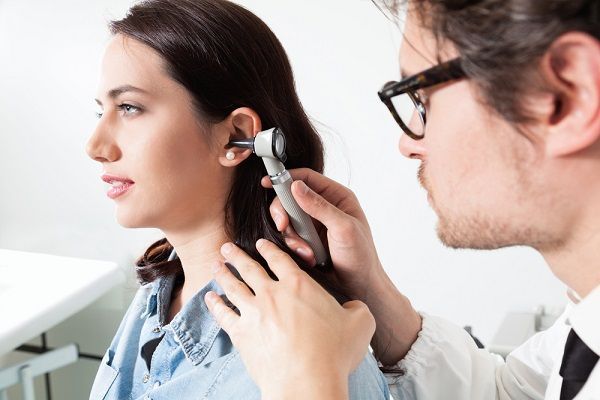
Hearing plays an important role in communication, learning, workplace productivity, and overall quality of life. A hearing test machine is a specialized medical device used to evaluate a person's hearing ability and identify potential hearing-related concerns. These machines are commonly found in hospitals, clinics, audiology centers, educational institutions, occupational health programs, and research facilities.
The primary purpose of a hearing test machine is to measure how well a person can hear sounds at different frequencies and volumes. By analyzing hearing responses, healthcare professionals can identify hearing loss, monitor hearing changes over time, and support appropriate treatment planning.
Modern hearing assessment technology has become more precise, efficient, and accessible. Advances in digital audiology equipment have improved testing accuracy while helping healthcare providers gather detailed hearing information in a structured manner.
Why Hearing Test Machines Matter
Hearing difficulties can affect people of all ages, from newborn infants to older adults. Early identification of hearing challenges can help reduce communication barriers and support educational, social, and professional development.
Several groups benefit from hearing assessments:
- Children undergoing developmental screenings
- Students receiving educational evaluations
- Workers exposed to occupational noise
- Adults experiencing hearing changes
- Older individuals requiring routine hearing monitoring
- Patients receiving medical treatments that may affect hearing
Hearing test machines help address several important challenges:
- Detecting hearing loss at an early stage
- Monitoring hearing health over time
- Supporting workplace hearing conservation programs
- Assisting medical diagnosis and treatment planning
- Evaluating hearing performance after medical procedures
The increasing awareness of hearing health has contributed to the wider use of digital hearing assessment tools across healthcare systems worldwide.
Key Features Found in Modern Hearing Test Machines
Modern hearing evaluation systems include various functions designed to improve testing quality and reporting accuracy.
| Feature | Purpose |
|---|---|
| Pure Tone Audiometry | Measures hearing thresholds at different frequencies |
| Speech Audiometry | Assesses understanding of spoken words |
| Digital Data Storage | Stores patient hearing records electronically |
| Automated Testing | Reduces manual intervention during assessments |
| Noise Monitoring | Helps maintain appropriate testing conditions |
| Touchscreen Interface | Improves ease of operation |
| Wireless Connectivity | Supports data transfer and integration |
| Reporting Software | Generates hearing assessment reports |
Many advanced systems also integrate with electronic medical records and audiology management software, improving workflow efficiency and documentation quality.
Recent Updates and Industry Trends
The hearing diagnostics field has experienced notable developments during the past year.
In 2025 and early 2026, healthcare organizations continued expanding the use of digital audiology platforms and connected diagnostic equipment. Remote hearing assessment technologies have also received increased attention, particularly for populations with limited access to specialized healthcare services.
Several emerging trends include:
- Greater use of cloud-based hearing data management
- Integration of artificial intelligence for hearing assessment support
- Expansion of tele-audiology programs
- Improved portable audiometric testing devices
- Enhanced hearing screening initiatives in schools and workplaces
- Increased focus on preventive hearing healthcare
The growing use of data analytics has also enabled healthcare providers to track hearing health patterns and improve long-term monitoring programs.
The chart below illustrates common trends influencing hearing assessment technology.
| Technology Trend | Industry Focus Level |
| Digital Audiology Systems | Very High |
| Portable Testing Equipment | High |
| Tele-Audiology Solutions | High |
| AI-Assisted Analysis | Growing |
| Cloud Data Management | High |
| Automated Screening Programs | Growing |
As healthcare systems continue adopting digital transformation strategies, hearing assessment equipment is expected to become increasingly connected and data-driven.
Laws, Regulations, and Public Health Policies
Hearing test machines operate within regulated healthcare environments. Medical device regulations help ensure that equipment meets safety, performance, and quality requirements before being used in clinical settings.
Common regulatory areas affecting hearing assessment equipment include:
- Medical device certification requirements
- Healthcare quality standards
- Patient data privacy regulations
- Occupational hearing conservation guidelines
- Clinical testing and calibration standards
Many countries require periodic calibration of hearing testing equipment to maintain measurement accuracy. Calibration procedures help ensure reliable hearing threshold results and support consistent patient evaluations.
Workplace safety programs often include hearing conservation requirements for employees exposed to elevated noise levels. These programs may involve regular hearing screenings, hearing protection education, and monitoring of occupational noise exposure.
Public health initiatives in several regions also encourage hearing screening for newborns, school-aged children, and older adults to promote early detection and intervention.
Helpful Tools and Resources
A variety of educational and professional resources support hearing health awareness and audiology practice.
Useful resources include:
- Hearing threshold reference charts
- Audiogram interpretation guides
- Occupational noise exposure calculators
- Hearing conservation program templates
- Audiology research databases
- Medical device regulatory guidance documents
- Electronic health record integration tools
- Telehealth communication platforms
Common categories of hearing-related applications and software include:
| Resource Type | Purpose |
| Hearing Screening Apps | Preliminary hearing awareness |
| Audiology Software | Patient record management |
| Noise Measurement Tools | Environmental sound monitoring |
| Hearing Education Platforms | Public awareness and learning |
| Telehealth Systems | Remote healthcare communication |
| Data Reporting Solutions | Hearing assessment documentation |
When using digital resources, individuals should remember that professional hearing evaluations remain important for accurate diagnosis and medical guidance.
Tips for Understanding Hearing Assessment Results
Hearing test reports often contain technical information that may seem unfamiliar to the general public. Understanding a few basic concepts can help improve interpretation.
Important concepts include:
- Frequency refers to sound pitch.
- Decibels measure sound intensity.
- Hearing threshold indicates the softest sound a person can detect.
- Audiograms provide a visual representation of hearing performance.
- Speech recognition scores evaluate understanding of spoken language.
Individuals should discuss hearing assessment results with qualified healthcare professionals who can explain findings within the context of overall hearing health.
Frequently Asked Questions
What is a hearing test machine?
A hearing test machine is a medical diagnostic device used to evaluate hearing ability by measuring responses to sounds at different frequencies and intensity levels.
How accurate are modern hearing test machines?
Modern digital hearing assessment systems are designed to provide highly accurate results when properly calibrated and operated according to established clinical standards.
Who should undergo hearing testing?
Children, adults, older individuals, workers exposed to loud environments, and anyone experiencing hearing-related concerns may benefit from hearing evaluations.
How often should hearing assessments be performed?
The frequency depends on age, health conditions, occupational exposure, and individual risk factors. Healthcare professionals can recommend appropriate testing schedules.
Can hearing test machines detect all hearing problems?
Hearing test machines provide valuable diagnostic information, but comprehensive hearing evaluations may involve multiple assessment methods and professional clinical interpretation.
Conclusion
Hearing test machines are essential tools for evaluating hearing health and supporting accurate diagnosis of hearing-related conditions. Their role extends across hospitals, clinics, schools, workplaces, and public health programs. Modern hearing assessment technology continues to evolve through digital innovation, data integration, automation, and remote healthcare capabilities.
As awareness of hearing health grows, hearing evaluation systems are becoming increasingly important for early detection, ongoing monitoring, and preventive healthcare strategies. Understanding how these machines work, the regulations that govern them, and the resources available for hearing assessment can help individuals make informed decisions about hearing health and long-term wellness.
Educational resources, hearing conservation programs, digital audiology tools, and professional healthcare guidance all contribute to a more informed approach to hearing assessment and hearing care.

You May Also Like