Skin Safety Guide: Essential Tips for Healthy Skin Protection
Healthy skin acts as the body's first line of defense against environmental factors, bacteria, and harmful ultraviolet (UV) radiation. A proper skin safety routine helps maintain skin health while reducing the risk of irritation, infections, sun damage, and long-term skin conditions. Learning practical skin protection habits is useful for people of all ages and lifestyles.
This Skin Safety Guide explains the importance of healthy skin protection, common preventive measures, recent developments, and relevant regulations. By understanding basic skin care principles and environmental risks, individuals can make informed decisions that support healthier skin throughout the year.
Context
Skin safety refers to practices that protect the skin from physical, chemical, biological, and environmental damage. Human skin is the body's largest organ and plays a vital role in regulating body temperature, preventing dehydration, and protecting internal organs from harmful substances and microorganisms.
Everyday exposure to sunlight, pollution, harsh weather, allergens, and certain chemicals can affect skin health. Skin protection includes maintaining proper hygiene, using appropriate sun protection, avoiding unnecessary exposure to harmful substances, and recognizing early signs of skin problems. A Skin Safety Guide helps people understand preventive measures that reduce avoidable skin damage.
Common Causes of Skin Damage
Several factors contribute to skin problems, including:
- Excessive UV radiation
- Air pollution
- Dry weather
- Chemical exposure
- Poor hygiene
- Allergic reactions
- Friction and repeated irritation
- Lack of hydration
Understanding these factors allows individuals to develop healthier daily habits.
Importance
Healthy skin protection is important because skin continuously protects the body against external threats. When the skin barrier becomes damaged, the risk of infection, irritation, dehydration, and inflammation increases.
People working outdoors, children, older adults, athletes, healthcare workers, and individuals with sensitive skin may require additional skin protection depending on their environment. However, everyone benefits from following basic skin safety practices.
Benefits of maintaining skin safety include:
- Lower risk of sunburn
- Better skin hydration
- Reduced irritation
- Support for healthy skin aging
- Improved protection against environmental pollutants
- Early identification of unusual skin changes
Maintaining skin health is also an important part of overall personal wellness rather than focusing only on appearance.
Recent Updates
Between 2024 and 2026, skin health research and public awareness have continued to evolve. Many health organizations have increased educational campaigns about UV exposure, heat-related skin conditions, and environmental pollution.
Several trends have gained attention during this period:
- Greater public awareness of year-round sun protection.
- Increased research on the effects of air pollution on skin health.
- More emphasis on protecting children from excessive UV exposure.
- Growing use of digital applications that estimate local UV index levels.
- Expanded educational resources about skin cancer prevention and early detection.
- Increased focus on skin barrier protection using gentle cleansing routines.
Researchers have also continued studying how climate change, rising temperatures, and extreme weather influence skin health. Longer heat waves may increase dehydration, while changing environmental conditions can affect people with eczema and other chronic skin disorders.
Laws or Policies
Many countries regulate products and workplace practices that affect skin safety. These regulations help improve consumer protection and reduce health risks.
Examples include product labeling requirements for cosmetic ingredients, occupational safety rules that require protective equipment for chemical exposure, and public health recommendations regarding UV radiation.
The following table summarizes common policy areas.
| Policy Area | Purpose |
|---|---|
| Cosmetic ingredient labeling | Helps consumers understand product contents |
| Workplace safety standards | Reduces exposure to hazardous chemicals |
| Sun safety education | Promotes awareness of UV protection |
| Product safety testing | Evaluates safety before public availability |
| Consumer protection regulations | Supports accurate labeling and health information |
Government health agencies often publish guidance on safe sun exposure, skin cancer awareness, workplace protection, and chemical handling. Following these recommendations supports healthy skin protection in everyday life.
Personal Skin Protection Practices
Simple habits can significantly improve skin safety:
- Wear protective clothing during prolonged sun exposure.
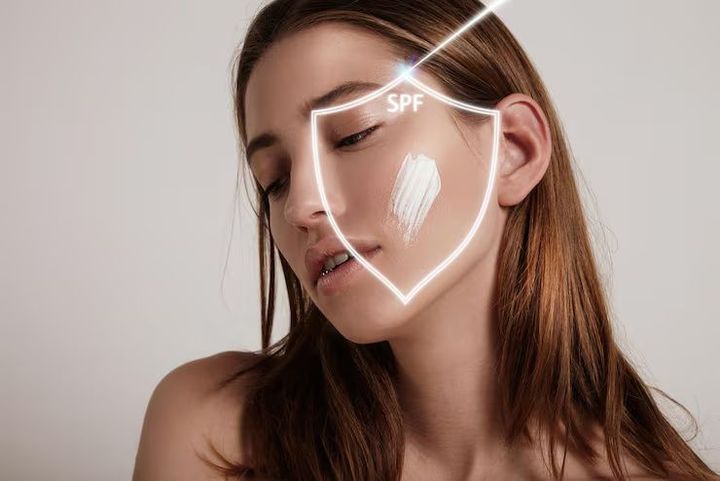
- Use broad-spectrum sunscreen according to product directions.
- Stay hydrated throughout the day.
- Wash skin gently after exposure to dirt or chemicals.
- Avoid excessive tanning.
- Check skin regularly for unusual changes.
- Seek medical evaluation for persistent rashes, changing moles, or unexplained skin symptoms.
Tools and Resources
Reliable educational resources help individuals stay informed about healthy skin protection. Many public organizations provide evidence-based guidance, educational materials, and environmental information.
Useful resources include:
- National public health agency websites
- Dermatology association educational pages
- World Health Organization health information
- UV Index forecasting websites
- Weather platforms that display UV levels
- Skin self-examination guides
- Educational brochures from healthcare organizations
Some mobile weather applications also provide daily UV index information, helping users plan outdoor activities while reducing unnecessary sun exposure.
Individuals managing chronic skin conditions may also benefit from symptom tracking templates that record flare-ups, environmental triggers, hydration, and skincare routines for discussion with healthcare professionals.
FAQs
What is skin safety?
Skin safety refers to daily practices that protect the skin from damage caused by sunlight, chemicals, pollution, infections, and physical injury while maintaining healthy skin function.
Why is sun protection important even on cloudy days?
Ultraviolet rays can pass through clouds, meaning skin may still receive significant UV exposure even when the weather appears overcast.
How often should skin be checked?
Many health organizations encourage regular self-examinations to identify new or changing spots. Any unusual or persistent changes should be evaluated by a qualified healthcare professional.
Can pollution affect skin health?
Yes. Air pollution may contribute to skin irritation, dryness, inflammation, and premature aging in some individuals, particularly with prolonged exposure.
Who benefits most from a Skin Safety Guide?
Everyone can benefit, including children, outdoor workers, athletes, older adults, travelers, and individuals with sensitive skin or chronic skin conditions.
Conclusion
Skin safety is an essential part of maintaining overall health and well-being. Consistent healthy skin protection practices can reduce exposure to common environmental risks while supporting the skin's natural protective barrier. Staying informed about current recommendations, following practical preventive measures, and recognizing early signs of skin problems contribute to long-term skin health. Simple daily habits, combined with reliable health information, help individuals protect their skin throughout every stage of life.