Learn Spa Massage Basics for Stress Relief and Calmness
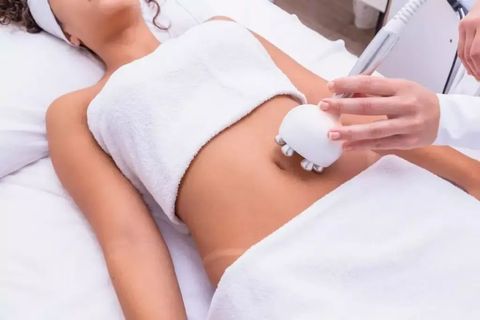
Spa massage is a wellness practice that focuses on relaxation, muscle comfort, and mental calmness. Different massage methods are used around the world to help people manage physical tension and everyday stress. Today, many people explore spa treatments as part of a balanced lifestyle focused on comfort and relaxation.
Common massage styles include Deep Tissue Massage, Thai Massage, Body Massage, Couples Massage, and Hot Stone Massage. Each technique uses different movements, pressure levels, or tools. Some methods focus on flexibility, while others are designed to relax muscles or improve comfort after long work hours.
Common Types of Spa Massage
| Massage Type | Main Focus | Common Technique |
|---|---|---|
| Deep Tissue Massage | Muscle tension relief | Firm pressure and slow strokes |
| Thai Massage | Flexibility and movement | Stretching and body positioning |
| Body Massage | General relaxation | Smooth and gentle motions |
| Couples Massage | Shared relaxation | Two-person massage session |
| Hot Stone Massage | Warm muscle comfort | Heated stones on body areas |
The spa environment often includes calm music, soft lighting, and quiet spaces to support relaxation. While massage practices have existed for centuries, modern wellness centers now combine traditional methods with updated techniques and safety practices.
Purpose of Spa Treatments
The main purpose of spa massage is to support relaxation and reduce physical discomfort linked to stress. Some people use massage sessions after exercise, while others include them in personal wellness routines.
Massage may also support:
- Better relaxation habits
- Temporary muscle comfort
- Improved mood
- Reduced mental stress
- A calmer daily routine
Importance
Stress affects people of all age groups and work backgrounds. Long screen time, limited movement, and busy schedules can increase physical tension and mental fatigue. Spa massage is often discussed as one method that may help people relax and slow down.
Deep Tissue Massage is commonly chosen by individuals who experience muscle stiffness after physical activity. Thai Massage is often connected with stretching and flexibility exercises. Body Massage is widely used for general relaxation and stress management.
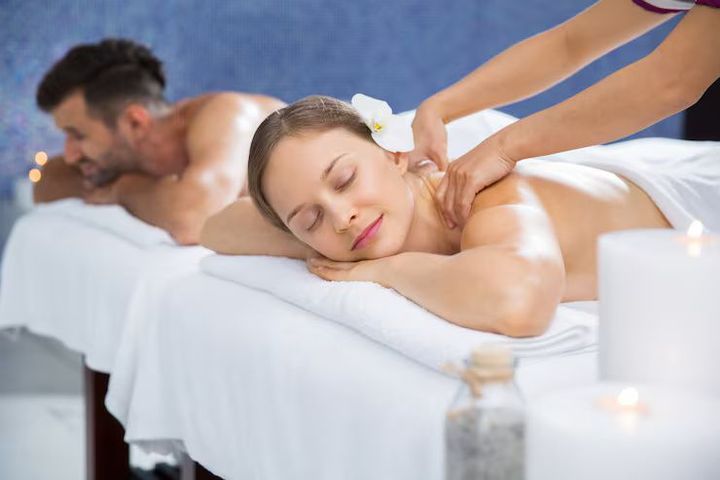
Couples Massage has also become more common in wellness centers. It allows two people to experience relaxation together in a calm setting. Some individuals view it as a way to improve personal wellness routines and shared relaxation time.
Hot Stone Massage uses heated stones placed on specific body areas. The warmth may help some people feel calmer during a massage session. This technique is commonly connected with relaxation-focused spa environments.
Recent Updates
The spa and wellness industry has changed significantly between 2024 and 2026. Many wellness centers now focus more on personalized experiences, hygiene standards, and digital wellness support.
One major trend is the use of wellness technology. Some spa centers now use digital booking systems, wellness tracking apps, and guided relaxation programs. These tools help people manage appointments and wellness schedules more efficiently.
Wellness Trends From 2024–2026
- Increased interest in stress management practices
- Growth of wellness-focused travel experiences
- More awareness about mental relaxation techniques
- Use of eco-friendly spa products
- Expansion of mobile wellness applications
Another noticeable trend is the growing popularity of traditional wellness methods. Thai Massage and Hot Stone Massage have gained attention in wellness discussions because people are looking for calm and mindful experiences.
Many wellness centers are also improving accessibility and comfort by providing quieter spaces, sensory-friendly rooms, and customized massage pressure options. These changes are designed to support different comfort levels and wellness preferences.
Laws or Policies
Spa and massage activities are regulated differently across countries and regions. Local authorities may establish health, hygiene, and professional practice requirements for wellness centers and massage practitioners.
In many regions, spa businesses must follow:
- Cleanliness and sanitation standards
- Health and safety guidelines
- Proper staff training requirements
- Consumer protection rules
- Workplace hygiene regulations
Some governments also require wellness centers to maintain records related to sanitation procedures and equipment cleaning. These policies help create safer environments for visitors and staff.
Massage-related laws may also address advertising practices. Wellness businesses are generally expected to provide factual and non-misleading information. Health claims must usually be supported by reliable evidence and should avoid unrealistic promises.
Privacy policies are another important part of modern spa operations. Digital booking systems and wellness applications often collect personal information, so businesses may need to follow data protection rules depending on the region.
Tools and Resources
Several tools and educational resources help people learn more about spa massage and wellness practices. These resources can support research, scheduling, and wellness planning.
Useful Wellness Resources
| Resource Type | Purpose |
| Wellness Apps | Relaxation tracking and scheduling |
| Meditation Platforms | Guided calmness exercises |
| Massage Education Sites | Learning massage basics |
| Health Organization Resources | Wellness and stress information |
| Appointment Tools | Session management |
Some wellness platforms provide articles about Deep Tissue Massage, Thai Massage, and Hot Stone Massage techniques. Others focus on relaxation methods, stretching routines, and healthy lifestyle habits.
People interested in wellness learning may also use:
- Stress tracking journals
- Relaxation timers
- Stretching guides
- Mindfulness programs
- Wellness planning templates
These tools are commonly used for personal education and daily wellness organization.
FAQs
What is the difference between Deep Tissue Massage and Body Massage?
Deep Tissue Massage usually involves firmer pressure focused on deeper muscle layers. Body Massage often uses lighter movements designed for general relaxation and comfort.
Is Thai Massage the same as regular massage?
Thai Massage is different because it commonly includes stretching movements and body positioning techniques. Traditional body massage usually focuses more on direct muscle pressure and smooth strokes.
Why do people choose Couples Massage?
Couples Massage allows two individuals to experience relaxation together in the same environment. It is often selected for shared wellness and calmness experiences.
How does Hot Stone Massage work?
Hot Stone Massage uses warmed stones placed on specific body areas. The heat may help muscles feel more relaxed during the massage session.
Are spa massages only for stress relief?
Many people use spa massage for relaxation, muscle comfort, and wellness routines. Experiences can vary depending on the massage style and individual preferences.
Conclusion
Spa massage continues to be a widely discussed wellness practice connected with relaxation and stress management. Techniques such as Deep Tissue Massage, Thai Massage, Body Massage, Couples Massage, and Hot Stone Massage each provide different experiences and wellness approaches.
Recent developments from 2024 to 2026 show increasing interest in personalized wellness, digital tools, and calm lifestyle practices. At the same time, health guidelines and hygiene policies remain important parts of spa operations worldwide.
Learning the basics of spa massage can help people better understand relaxation methods and modern wellness trends. Educational awareness also supports informed choices about personal comfort and stress management routines.